
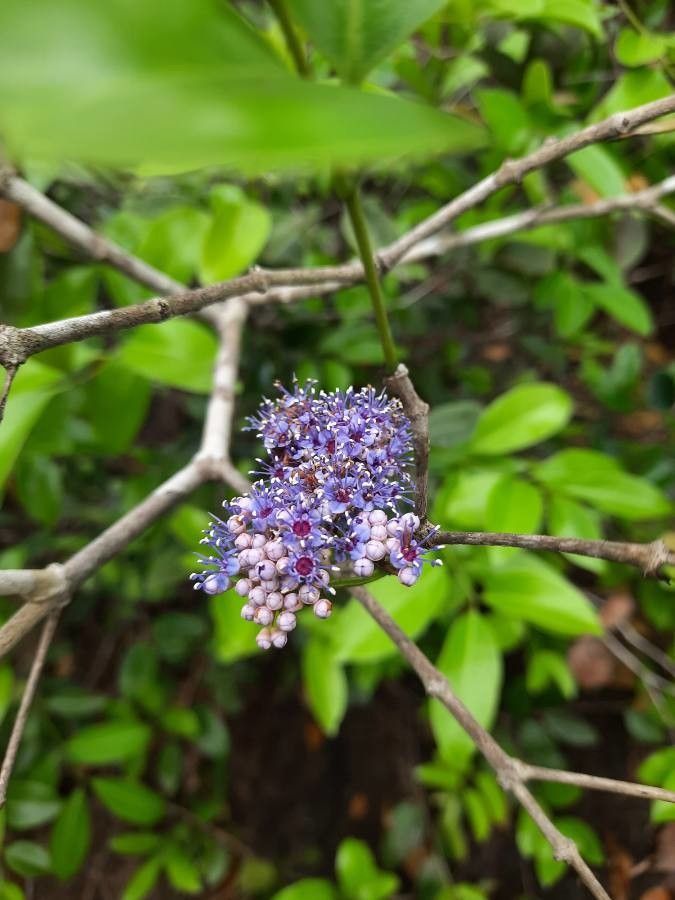
From One Plant to Many: Unveiling the Secrets of Embelia Ribes Propagation
Embelia ribes, also known as the “Indian Black Currant”, is a captivating shrub with glossy leaves and clusters of vibrant, dark berries. But what makes this plant truly special is its versatility – it’s not just a beautiful addition to your garden, it’s also a potent source of traditional medicinal uses.
And there’s good news for plant enthusiasts – Embelia ribes is relatively easy to propagate. This means you can grow a whole new generation of this remarkable plant from just one! Let’s dive into the different methods of propagation you can try:
1. Seeds: A Journey from Tiny Seed to Thriving Shrub
The most common method, seed propagation, allows you to start your Embelia ribes journey from scratch. First, you need to collect ripe berries from your existing plant (or source them from nurseries). Gently extract the seeds and clean them thoroughly.
Here’s the breakdown:
- Preparation: Prepare a seed tray with a well-draining seedling mix.
- Sowing: Sow the seeds thinly on the surface of the soil, gently pressing them in.
- Watering: Water the tray thoroughly and cover it with a plastic wrap or a humidity dome to maintain moisture.
- Germination: Place the tray in a warm, shaded location. Seedlings emerge within a few weeks (or possibly months depending on conditions).
- Transplantation: Once seedlings develop a few true leaves, carefully transplant them into individual pots.
2. Cuttings: A Faster Route to New Plants
For quicker results, consider propagation through cuttings. This method involves taking a portion of an established plant and encouraging it to develop roots.
Here’s the process:
- Selection: Choose healthy, non-flowering stems about 6-8 inches long.
- Preparation: Remove the leaves from the bottom two inches of the stem.
- Rooting: Dip the cut end of the stem into rooting hormone and plant it in a rooting medium (like a mixture of peat moss and perlite).
- Care: Maintain adequate moisture and humidity around the cuttings.
- Transplantation: Once the cuttings develop roots, usually in 4-6 weeks, they can be transplanted into individual pots.
3. Air Layering: A Gentle Approach
Air layering offers a unique way to propagate Embelia ribes without disturbing the parent plant. This technique involves encouraging roots to develop on a stem while it’s still attached to the plant.
Here’s how it works:
- Preparing the Stem: Select a healthy stem with few branches and make a shallow cut around the stem.
- Hormone Application: Apply rooting hormone to the wound and wrap the area with moist sphagnum moss, securing it with plastic wrap.
- Root Development: Keep the moss moist and within a few months, roots will develop around the stem.
- Separation: Once roots are established, carefully cut the stem below the rooting area and plant it in a pot.
Tips for Successful Propagation:
- Use sterilized tools to prevent diseases and infections.
- Ensure your potting mix is well-draining and provides adequate aeration for root development.
- Provide consistent moisture but avoid overwatering.
- Maintain warm, shaded conditions to promote healthy growth.
Beyond the Garden: The Potential of Embelia Ribes
Embelia ribes has been used in various traditional medicinal systems for centuries. This plant is known for its potential to support digestion, boost immunity, and even combat certain infections. However, it’s essential to consult a healthcare professional before using any medicinal plants, especially during pregnancy or while taking other medications.
By understanding the different propagation techniques, you not only create a beautiful and expansive garden but also become a custodian of a plant with rich cultural and medicinal significance. So, embark on your Embelia ribes propagation journey today and witness the magic unfold!