
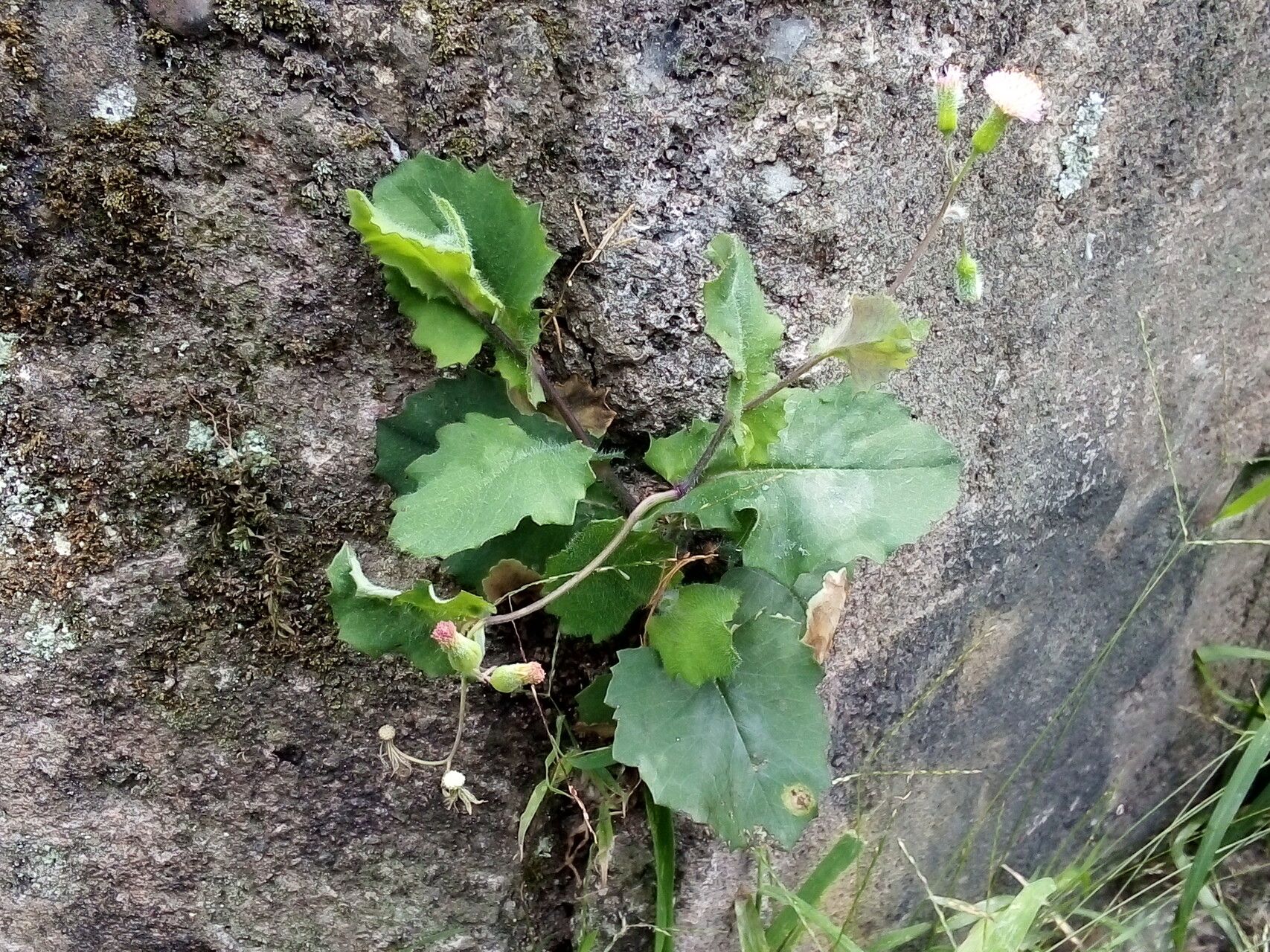
Propagating Emilia praetermissa: A Gardener’s Guide to the Tassel Flower
Introduction:
Emilia praetermissa, commonly known as the tassel flower, is a charming annual or short-lived perennial belonging to the Asteraceae family. Characterized by its delicate, tassel-like inflorescences in shades of pink, purple, or white, it’s a popular choice among gardeners for its vibrant color, ease of care (once established), and ability to self-seed readily. This relatively undemanding plant, however, presents some unique challenges when it comes to intentional propagation outside of its natural self-seeding habit. Understanding these challenges and applying appropriate techniques is key to successfully increasing your Emilia praetermissa stock.
Seed Germination:
Seed germination is a viable method for propagating Emilia praetermissa, though it can be somewhat unpredictable.
Challenges: The seeds are quite fine and require careful handling to avoid loss. Germination rates can be inconsistent, depending on factors such as seed freshness and environmental conditions.
Practical Tips: Sow seeds directly outdoors in a well-drained soil mix after the last frost. Gentle watering is crucial to avoid washing away the tiny seeds. Maintain consistent moisture but avoid overwatering, which can lead to damping off. A warm, sunny location is ideal. No stratification is typically required.
Rewards: Seed propagation offers the greatest genetic diversity, allowing for a wider range of plant characteristics. It also provides a cost-effective method for large-scale propagation.
Cuttings:
Cuttings are a less reliable method for propagating Emilia praetermissa.
Challenges: Softwood cuttings tend to be prone to rotting before rooting. Successful propagation via this method requires precise conditions, including high humidity and consistent warmth.
Practical Tips: While possible, using rooting hormone and placing cuttings under a humid propagation dome or plastic bag may improve success rates. Using a sterile, well-draining growing medium is paramount.
Rewards: Cuttings can preserve specific desirable traits from a particularly successful mother plant.
Division:
Division is not a practical method for propagating Emilia praetermissa. This plant’s shallow roots and delicate nature make it ill-suited for this type of propagation. Attempting division often results in damage to the plant, reducing the chances of survival.
Tissue Culture:
Tissue culture offers potential but is generally not a feasible method for the average home gardener.
Challenges: Tissue culture requires specialized equipment, sterile environments, and a thorough understanding of plant tissue culture techniques. It is a costly and time-consuming method.
Practical Tips: This method would require expertise in plant tissue culture protocols, which are beyond the scope of this article. Research into suitable media and growth regulators would be required.
Rewards: Tissue culture enables large-scale propagation of disease-free plants, preserving genetic uniformity.
Conclusion:
Propagating Emilia praetermissa presents unique challenges across different methods. While seed germination offers the most readily accessible and rewarding approach, its inconsistency can be frustrating. Cuttings provide an alternative, although success requires a bit more skill and attention to detail. Division and tissue culture are less practical for hobbyists.
The satisfaction derived from successfully propagating Emilia praetermissa, particularly from seed, is directly proportional to the challenges overcome. The vibrant colour of the resulting tassel flowers serves as a beautiful reward for your efforts. Don’t be discouraged by initial setbacks; experiment with different techniques and carefully observe your plants. With patience and diligence, you’ll soon be enjoying the beauty of your self-propagated tassel flowers.