
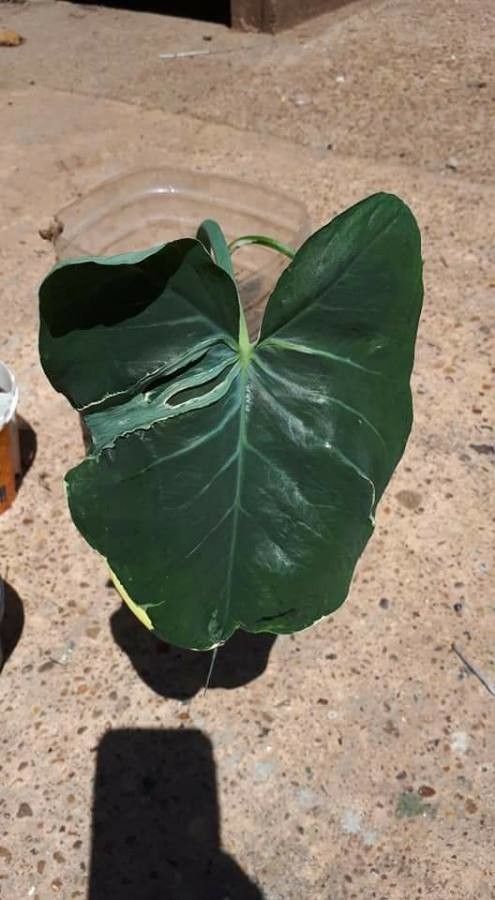
Propagating the Earleaf Elephant Ear: A Guide to Xanthosoma auriculatum
Introduction:
Xanthosoma auriculatum, commonly known as the earleaf elephant ear, is a striking tropical plant prized for its large, arrowhead-shaped leaves. These leaves, which can reach impressive sizes, often display a beautiful variegation, making it a popular ornamental choice for gardeners seeking a bold statement in their landscapes or containers. While its dramatic appearance adds undeniable charm, propagating Xanthosoma auriculatum presents unique challenges and rewards, making the process both satisfying and sometimes frustrating. The plant’s primarily vegetative propagation methods contribute to a relatively low level of genetic diversity in cultivated populations, making the exploration of successful propagation even more important for maintaining genetic variation.
Seed Germination:
Currently, there are no known reliable methods for seed germination propagation of Xanthosoma auriculatum. While the plant does produce seeds, their viability and germination rate are extremely low, making this method impractical for most gardeners. Further research into seed treatment techniques may be needed to unlock this propagation pathway.
Cuttings:
Challenges: Cuttings present a moderate level of challenge. Success relies heavily on maintaining humidity and preventing rot.
Practical Tips: The most successful method involves taking stem cuttings, ideally from healthy, actively growing sections of the plant. Each cutting should have at least two nodes. Treat the cut ends with a rooting hormone before planting in a well-draining, moist potting mix. Cover the cutting with a clear plastic bag or humidity dome to maintain high humidity levels. Keep the soil consistently moist but not waterlogged. Propagation should occur under warm conditions, mimicking its native tropical environment, ideally with bottom heat.
Rewards: Cuttings offer a relatively straightforward method for increasing the number of plants, producing genetically identical offspring. This can be beneficial for preserving desirable traits, especially if the parent plant exhibits exceptional variegation or leaf shape.
Division:
Challenges: Requires a relatively mature plant with well-established rhizomes.
Practical Tips: Division is best performed during the plant’s active growing season (spring or summer). Carefully dig up the mature plant and gently separate the rhizomes, ensuring each division has healthy roots and several growing points. Plant the divisions in well-draining soil, ensuring proper spacing to allow for growth. Water thoroughly after planting.
Rewards: Division is a simple method to increase plant numbers and can be less time-consuming than cuttings. Since it produces clones, this method maintains desirable characteristics.
Tissue Culture:
Challenges: This is a highly specialized and technically demanding method requiring sterile laboratory conditions and specific expertise. It is not a viable option for the average home gardener.
Practical Tips: Tissue culture requires a controlled environment including sterile media, growth hormones, and specialized equipment, all of which are far beyond the reach of most gardeners.
Rewards: Tissue culture offers the highest potential for large-scale propagation and disease-free plantlets. It is often used for commercial production and conservation efforts. It’s also the only viable option to potentially increase genetic diversity through methods like somatic embryogenesis if the challenges of using seed can be overcome.
Conclusion:
Propagating Xanthosoma auriculatum presents a range of challenges, from the low viability of seeds to the technical demands of tissue culture. While seed germination isn’t currently viable, cuttings and division offer attainable methods for most keen gardeners. The rewards, however, are worth the effort. Cultivating this stunning plant from a cutting or a division brings a unique sense of accomplishment, a direct connection to the plant’s life cycle. The patience and attention required make the success that much more satisfying. For aspiring propagators, I encourage you to start with cuttings or division and pay close attention to maintaining high humidity and ensuring proper drainage. With consistent care and a little patience, you’ll soon be enjoying the rewarding fruits of your labor – a thriving colony of earleaf elephant ears.