
Propagating the Brazilian Grape: A Guide to Cultivating Mouriri guianensis
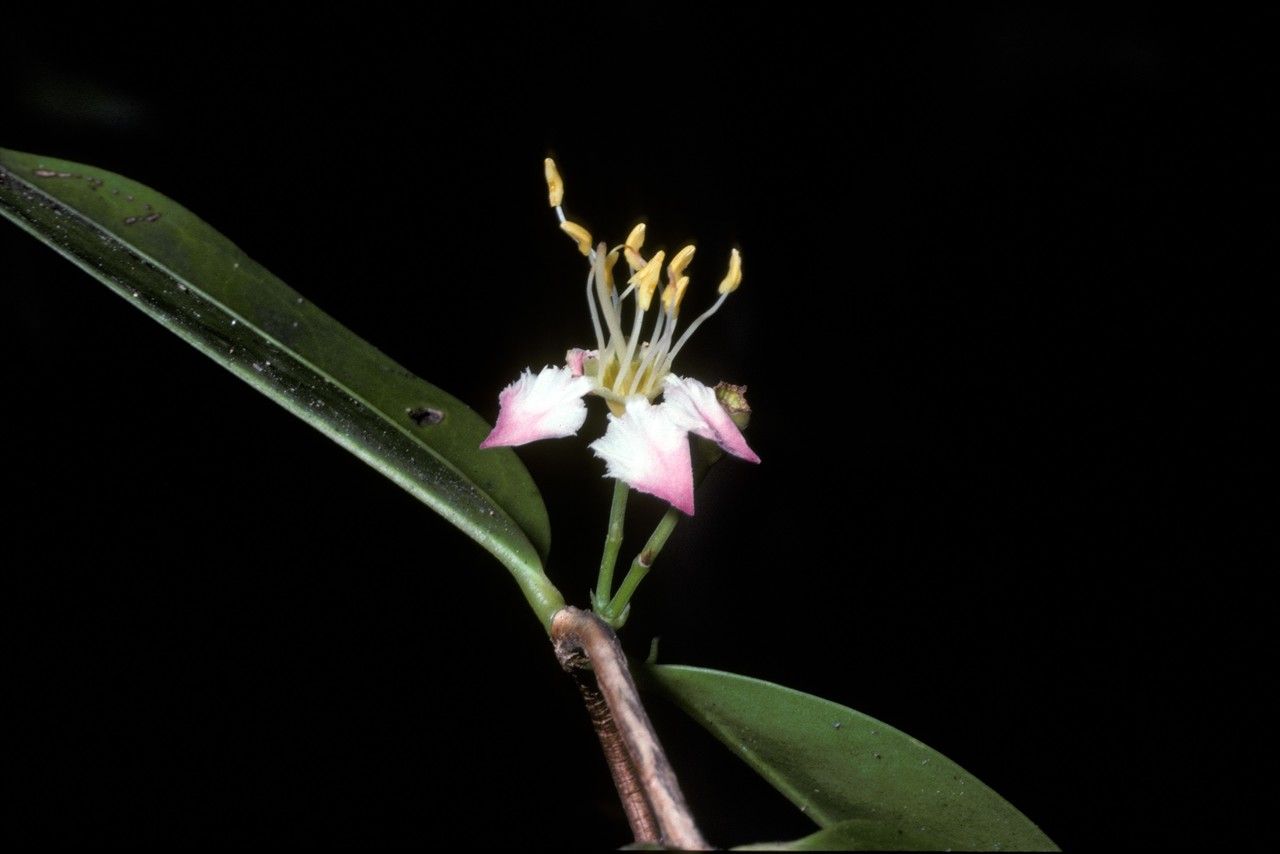
Mouriri guianensis, commonly known as the Brazilian grape, is a captivating shrub or small tree prized for its attractive, glossy foliage and delicious, grape-like fruits. Its dense, compact habit makes it a desirable addition to gardens seeking both ornamental appeal and edible bounty. However, propagating this South American native presents unique challenges, making successful cultivation a rewarding but demanding endeavor. This article explores various propagation methods, highlighting their viability and practical considerations.
Seed Germination:
Currently, there are no known reliable methods for seed germination propagation of Mouriri guianensis. While seeds may be produced, their germination rate is extremely low, and successful germination under controlled conditions has yet to be consistently documented. Factors influencing this low success rate may include seed dormancy mechanisms and specific environmental requirements not yet fully understood. Therefore, relying on seed germination for propagating this species is not currently a practical approach.
Cuttings:
Propagating Mouriri guianensis via cuttings offers a more promising avenue than seed germination. However, challenges remain.
Challenges: The success rate of cuttings depends heavily on factors such as the timing of the cutting (ideally semi-hardwood cuttings taken during the late spring or early summer), the use of rooting hormone, and maintaining high humidity levels during the rooting process. Many attempts may be necessary before achieving success.
Practical Tips: Use sharp, clean shears to take cuttings approximately 4-6 inches long, removing lower leaves to prevent rot. Dip the cut ends in a rooting hormone powder before planting in a well-draining propagation mix, maintaining consistently moist but not waterlogged conditions. High humidity is crucial; covering the cuttings with a clear plastic dome or placing them in a humidity propagator significantly increases success rates.
Rewards: Cuttings offer a reliable method of cloning the parent plant, ensuring that desirable traits are preserved. This is particularly valuable for cultivars with specific fruit characteristics or ornamental qualities.
Division:
Division is generally not a viable method for propagating Mouriri guianensis. This species doesn’t readily produce suckers or offsets that can be easily separated and replanted.
Tissue Culture:
Tissue culture presents a potentially effective, albeit technically demanding approach.
Challenges: Tissue culture requires specialized equipment, a sterile working environment, and a detailed understanding of plant tissue culture techniques. Establishing aseptic cultures and optimizing growth media for Mouriri guianensis may require considerable experimentation.
Practical Tips: Employ standard tissue culture protocols, starting with nodal segments or shoot tips as explants. Sterilization of all materials is critical to prevent contamination. Experiment with different growth media formulations to optimize shoot proliferation and rooting.
Rewards: Tissue culture allows for mass propagation, generating numerous plants from a single source. This method is particularly useful for preserving rare or endangered genotypes and for large-scale commercial cultivation.
Conclusion:
While propagating Mouriri guianensis presents significant hurdles, the rewards of successfully cultivating this unique plant are well worth the effort. Cuttings offer the most accessible, albeit still challenging, propagation method for home gardeners. Tissue culture, although complex, presents a path towards larger-scale propagation and conservation. The satisfaction of nurturing a Brazilian grape from a cutting or through tissue culture, once accomplished, surpasses the initial challenges, providing a sense of accomplishment that only comes with overcoming horticultural difficulties. For aspiring propagators, patience, persistence, and a willingness to learn from each attempt are essential ingredients for success. Remember to meticulously observe and adapt your techniques based on your specific environmental conditions and the responsiveness of the plant material.