
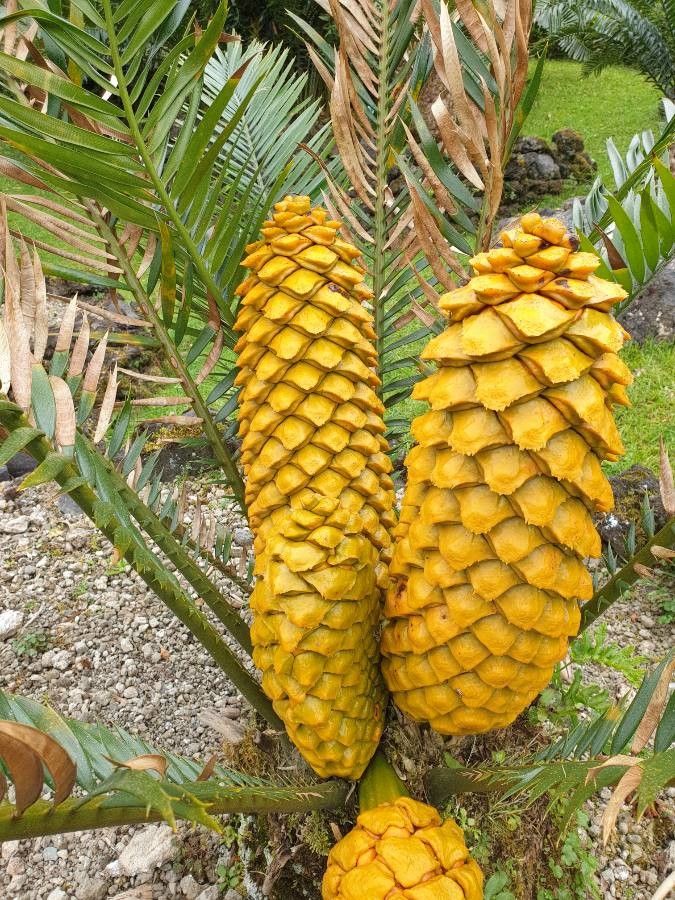
From One to Many: Unveiling the Secrets of Encephalartos aplanatus Propagation
Encephalartos aplanatus, the majestic blue cycad, is a sight to behold. Its striking blue foliage and sturdy trunk make it a coveted addition to any garden. But what if you want to share this beauty with others, or simply expand your own collection? You’re in luck – propagating your Encephalartos aplanatus is possible!
While the process requires patience and attention, it’s a rewarding endeavor. Here’s a comprehensive guide to help you successfully cultivate new generations of this stunning cycad.
The Two Primary Methods
Two main methods are commonly used to propagate Encephalartos aplanatus:
- Seed Propagation: This method involves planting seeds from mature cones. It’s a longer process but often considered the most reliable way to obtain new plants.
- Offshoot Propagation: This method uses the “pups” or “offsets” that sprout from the base of the mother plant. This is a faster and more controlled option, though not always an assured outcome.
Seed Propagation: Embracing the Cycle of Life
- Collecting Seeds: First, you’ll need viable seeds, either from your own plant or purchased from a reputable source. Once ripe, the cones will turn a reddish-brown hue. Harvest them carefully, avoiding damage, and gently extract the seeds.
- Cleaning and Preparation: Clean the seeds thoroughly, removing sticky residue. Soak them in a diluted fungicide solution (following manufacturer instructions) for a few hours. This step helps prevent fungal infections.
- Sowing: Opt for a well-draining potting mix, ideally one specifically formulated for cycads. Sow the seeds about an inch deep. Keep them moist but not waterlogged.
- Germination and Patience: Germination can take anywhere from a few months to over a year. Be patient, maintain consistent moisture, and offer bright but indirect light.
- Transplanting: Once seedlings have developed a sturdy root system, carefully transplant them into individual pots with cycad-specific potting mix.
Offshoot Propagation: A Faster Route
- Selecting Suitable Offshoots: Offshoots, also called pups, are small, independent plants growing from the base of the mother plant. Look for healthy, well-established offshoots with their own root system.
- Separating the Offshoot: Gently detach the offshoot from the mother plant, ensuring you don’t damage its root system.
- Planting: Pot the offshoot in a well-draining cycad potting mix. Provide bright, indirect light. Keep the soil consistently moist but not waterlogged.
- Growth and Development: The offshoot should readily begin to grow, forming its own independent root system.
General Propagation Tips:
- Temperature Matters: Encephalartos aplanatus thrives in warm temperatures. Aim for temperatures above 60°F (15°C) for optimal growth.
- Sunlight and Shade: Provide bright, indirect sunlight, avoiding direct exposure that can scorch the foliage.
- Water Wisely: Allow the soil to dry slightly between watering, ensuring good drainage to prevent root rot.
- Fertilizing: Apply a cycad-specific fertilizer during the growing season (spring and summer), following the manufacturer’s instructions.
- Patience and Attention: Propagation requires patience and consistent nurturing. Provide a well-draining environment, adequate sunlight, and regular watering to ensure your Encephalartos aplanatus thriving.
Concluding Thoughts:
Cultivating new generations of Encephalartos aplanatus, whether through seed or offshoot propagation, is a rewarding journey. It’s a chance to experience the magic of life, creating new plants from an existing one. The process, though requiring time and effort, offers immense satisfaction and a unique connection to the natural world. So, embark on your propagation adventure and witness the wonders of Encephalartos aplanatus unfold before your eyes!