
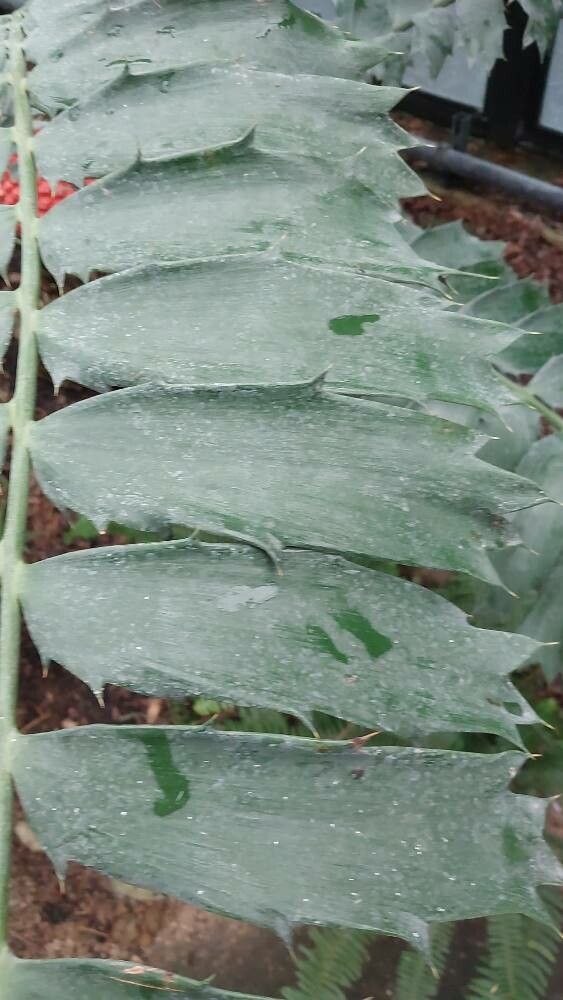
Taming the Fierce: Propagating the Encephalartos Ferox Cycad
The Encephalartos ferox, with its crown of spiky, vibrant green fronds, is a sight to behold. This prehistoric-looking cycad, native to South Africa, adds a dramatic touch to any garden or home. But getting your hands on one can be tricky, and often expensive. So, why not try your hand at propagating your own ‘fierce’ cycad?
While the Encephalartos ferox might seem intimidating, propagating it is an achievable challenge for plant enthusiasts. Let’s delve into the two main methods:
1. Seed Propagation – A Test of Patience
Propagating from seed is the most common method, offering the reward of witnessing a plant’s entire life cycle. However, be prepared to be patient!
- Obtaining Seeds: These are typically collected from female cones, which produce bright red seeds when ripe. You can purchase seeds from reputable suppliers, ensuring they are fresh for higher germination rates.
- Sowing the Seeds: The key is to mimic their natural environment. Use a well-draining potting mix designed for cacti and succulents. Sow the seeds individually in small pots, burying them about half their length.
- Warmth and Moisture: Encephalartos ferox seeds prefer warm temperatures (around 70-80°F) and slightly moist soil. A seedling heat mat can be beneficial. Avoid overwatering to prevent rot.
- The Waiting Game: Germination can take anywhere from a few months to a year. Once seedlings emerge, provide bright, indirect light and continue with careful watering.
- Transplanting: After a year or two, when the seedlings have developed a good root system, you can transplant them into larger pots or directly into the ground.
2. Offsets (Pups) – A Quicker Gratification
For a faster, though less common, method, you can propagate Encephalartos ferox from offsets or “pups.” These are smaller clones that grow at the base of the parent plant.
- Identifying and Removing Offsets: Look for pups with a well-developed root system. Carefully separate them from the parent plant using a clean, sharp knife or pruning shears, ensuring you minimize damage.
- Allowing to Callous: Let the cut surface of the offset dry and callous for a few days to prevent rot.
- Potting and Care: Plant the offset in well-draining soil, similar to what you’d use for seeds. Water sparingly, allowing the soil to dry out slightly between waterings.
General Tips for Success:
- Well-Draining Soil: This is crucial for all Encephalartos Ferox, whether grown from seed or offsets. They are susceptible to root rot in soggy conditions.
- Bright, Indirect Light: Ensure your plants receive plenty of light, but avoid harsh, direct sunlight which can scorch their leaves.
- Patience is Key: These cycads are slow growers. Don’t be discouraged if you don’t see rapid progress. Enjoy the journey and the eventual reward of a thriving Encephalartos ferox.
Propagating this magnificent cycad is a rewarding experience that requires patience and dedication. By following these tips and understanding the unique needs of this plant, you can increase your chances of success and add a touch of prehistoric beauty to your own green space.