
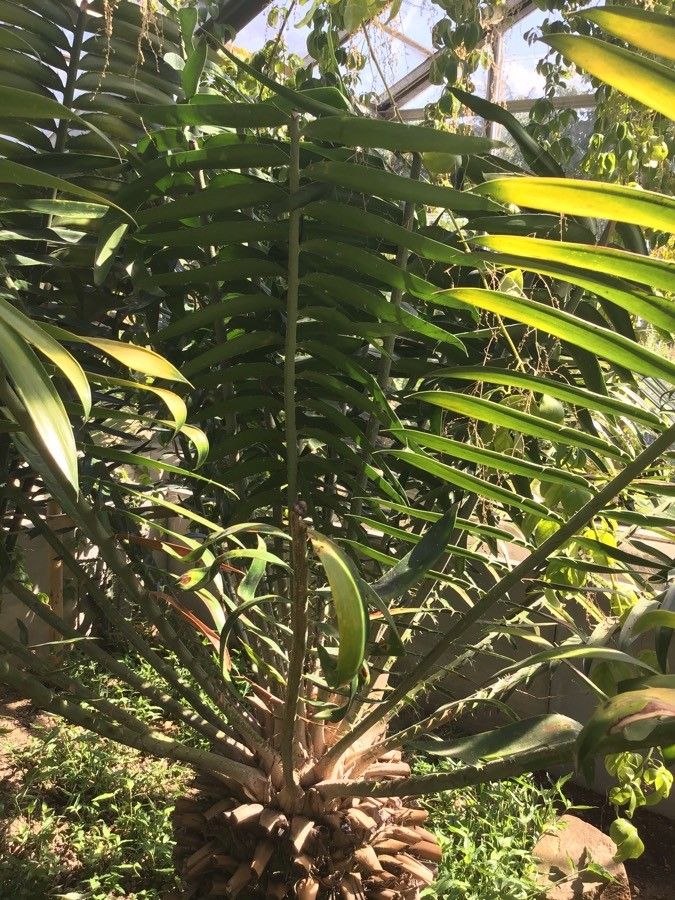
Cracking the Code: Propagating the Encephalartos gratus Cycad
The Encephalartos gratus, with its crown of feathery fronds and stout trunk, is a cycad that whispers of ancient times. This prehistoric beauty, native to the grasslands of South Africa, is a coveted addition to any plant lover’s collection. But propagating these living fossils can feel like a daunting task. Fear not, fellow plant enthusiast, for we’re about to unlock the secrets to successfully propagating Encephalartos gratus!
Two Paths to Propagation:
Encephalartos gratus, like many cycads, offers two primary paths to propagation: seed and suckers (also known as offsets or pups). Each method comes with its own set of advantages and challenges.
1. The Seed Route: A Test of Patience
Propagating from seed is a rewarding but lengthy endeavor. Here’s what you need to know:
- Sourcing Seeds: Obtaining quality seeds is crucial. Look for reputable nurseries specializing in cycads to ensure viability.
- Seed Preparation: Encephalartos gratus seeds have a tough outer layer that benefits from scarification. Gently nick the seed coat with a file or sandpaper, being careful not to damage the embryo within. This allows water to penetrate and aids germination.
- Sowing the Seeds: Plant the seeds in a well-draining potting mix, covering them with about an inch of the medium. Maintain consistent moisture and warmth.
- The Waiting Game: Germination can be unpredictable, taking anywhere from a few months to a year or more. Be patient and don’t lose hope!
2. The Sucker Shortcut: A Quicker Path to Success
For those seeking a quicker and often more reliable method, propagating from suckers is the way to go.
- Identifying Suckers: Look for small offshoots, resembling miniature versions of the parent plant, emerging from the base of the stem.
- Careful Removal: When the sucker has developed its own roots, carefully separate it from the parent plant using a clean, sharp knife. Ensure you get a good portion of the roots.
- Potting the Sucker: Plant the sucker in a well-draining potting mix, ensuring the base of the stem sits slightly above the soil line. Water regularly but avoid overwatering.
Nurturing Your New Cycad Generation:
Regardless of the propagation method chosen, providing the right conditions is essential for success:
- Light and Location: Encephalartos gratus thrives in bright, indirect light. Avoid prolonged direct sunlight, which can scorch the leaves.
- Well-Draining Soil: Use a potting mix specifically formulated for cacti and succulents to ensure proper drainage and prevent root rot.
- Watering Wisely: Water deeply but infrequently, allowing the soil to dry out between waterings. Overwatering is a common cause of cycad demise.
- Fertilization: Feed your cycads with a balanced, slow-release fertilizer during the growing season (spring and summer) to promote healthy growth.
The Joys of Propagation:
Propagating your own Encephalartos gratus is a rewarding experience. Not only will you play a part in ensuring the survival of this ancient plant, but you’ll also get to witness the miracle of life unfolding in your own home. So, gather your supplies, choose your propagation adventure, and embrace the journey of growing your own Encephalartos gratus!