
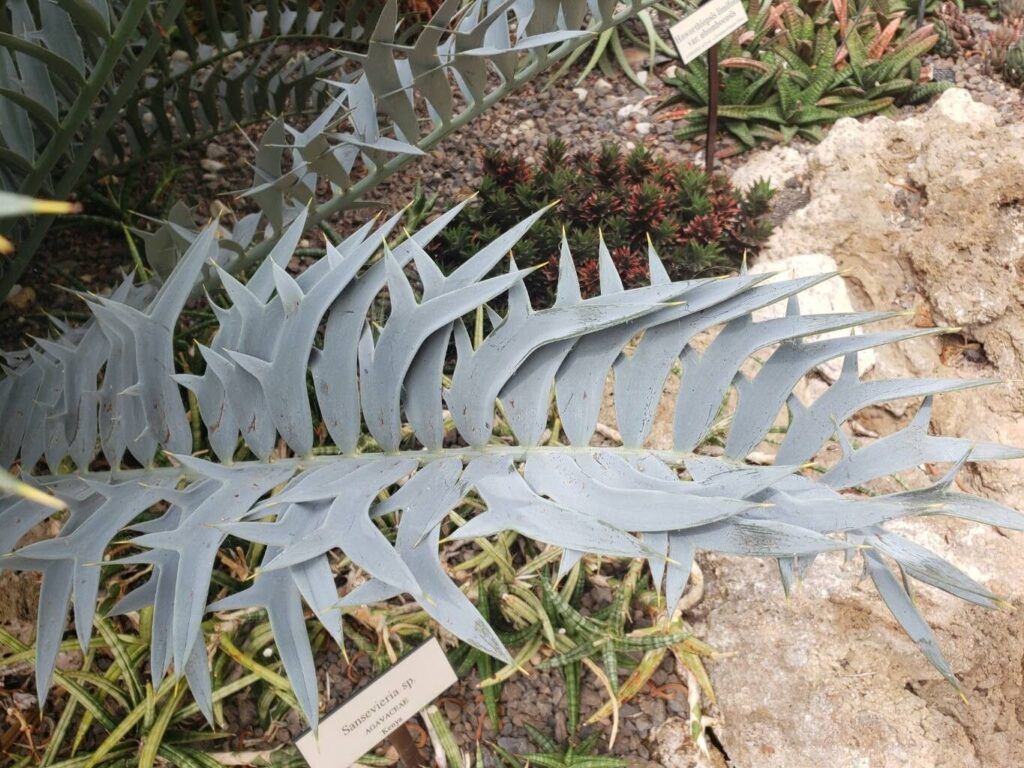
Taming the Eastern Cape Giant: Propagating Encephalartos horridus
The Encephalartos horridus, with its intimidating name and even more intimidating spiny leaves, might seem like a plant best admired from afar. But for plant enthusiasts seeking a truly rewarding challenge, propagating this “Eastern Cape giant” offers a unique and fascinating adventure.
While admiring mature specimens in botanical gardens is awe-inspiring, nothing compares to nurturing a new generation of this ancient cycad. Let’s delve into the world of Encephalartos horridus propagation, exploring the two main paths: seed germination and the less common, but equally intriguing, method of offsets.
The Seed Route: A Test of Patience
Propagating Encephalartos horridus from seed is not for the faint of heart. This slow-growing cycad requires considerable patience, with germination taking anywhere from a few months to a year or more.
- Sourcing Seeds: Obtaining viable seeds is the crucial first step. Reputable nurseries specializing in cycads are your best bet, ensuring authenticity and ethical sourcing.
- Preparing for Germination: Scarification, gently scratching the seed coat, can help speed up germination. Soaking seeds in lukewarm water for 24 hours further aids in softening the outer shell.
- Planting Time: Utilizing a well-draining potting mix, preferably a blend specifically designed for cycads, is essential. Plant seeds just beneath the surface, keeping the soil consistently moist but not waterlogged.
- The Waiting Game: Patience is key. Place your seed trays in a warm, brightly lit location, out of direct sunlight. Providing bottom heat using a seedling mat can further stimulate germination.
Offsets: Unveiling the Clones
For a faster, albeit less common, method, propagation through offsets offers a rewarding alternative. These “pups,” genetically identical clones of the parent plant, emerge from the base of mature specimens.
- Identifying Offsets: Look for healthy pups with well-developed root systems.
- Careful Removal: Using a clean, sharp knife, carefully separate the offset from the mother plant, ensuring minimal damage.
- Pre-Planting Treatment: Allow the cut surface of the offset to dry for a few days, creating a protective callus and reducing the risk of rot.
- Potting the Offsets: As with seeds, utilize a well-draining cycad mix, burying the base of the offset securely. Water thoroughly after planting.
Nurturing the Future Giants:
Regardless of your chosen propagation method, providing optimal growing conditions is critical:
- Light: Bright, indirect light is ideal.
- Water: Cycads prefer infrequent, deep watering, allowing the soil to dry out between waterings.
- Fertilizer: During the growing season (spring and summer), feed sparingly with a balanced fertilizer diluted to half strength.
- Patience, Patience, Patience: Remember, Encephalartos horridus is a slow grower. Celebrate each milestone, no matter how small, as your dedication helps preserve a truly magnificent species.
Propagating Encephalartos horridus is a rewarding journey for patient plant enthusiasts. By embracing these techniques and understanding the unique needs of this remarkable cycad, you can play an active role in conserving a piece of natural history.