
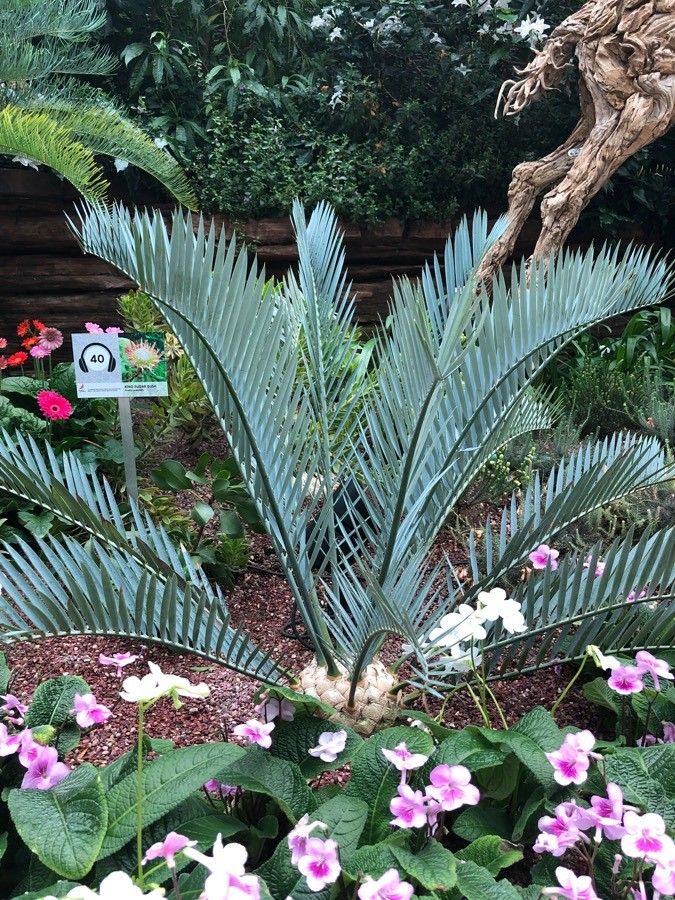
Unveiling the Ancient Secrets: Propagating the Encephalartos lehmannii Cycad
The Encephalartos lehmannii, also known as the Karoo Cycad, is a plant that whispers tales of ancient times. Native to the arid regions of South Africa, this striking cycad, with its crown of arching, blue-green leaves, can live for centuries, bearing witness to the world’s changes. While acquiring an established specimen can be costly, propagating your own Encephalartos lehmannii is a rewarding challenge that connects you to the plant’s enduring legacy.
This guide delves into the two primary methods of propagating this fascinating cycad:
1. Seeds: A Test of Patience
Propagating Encephalartos lehmannii from seed is the most common method, though it requires a healthy dose of patience. Here’s a step-by-step guide:
- Obtaining Seeds: Encephalartos lehmannii are dioecious, meaning you need both male and female plants for seed production. The bright orange-red cones of the female plant produce large seeds once pollinated. Sourcing seeds from reputable suppliers is crucial to ensure viability.
- Preparing for Sowing: Soak the seeds in lukewarm water for 24-48 hours to improve germination rates. It’s essential to sow the seeds shortly after soaking.
- Sowing: Use a well-draining potting mix, like a cactus mix, and plant the seeds about their width deep.
- Creating the Ideal Environment: Place the seed tray in a warm, brightly lit location, but out of direct sunlight. Maintaining a temperature of around 70-77°F (21-25°C) is ideal for germination.
- Germination and Beyond: Germination can take anywhere from a few weeks to several months. Once the seedlings emerge, ensure they receive bright, indirect light and water regularly, allowing the soil to dry slightly between waterings.
2. Offsets (Pups): A Quicker Route to Success
Mature Encephalartos lehmannii occasionally produce offshoots, or pups, at the base of the main stem. These pups offer a faster propagation method than seeds:
- Removing the Offsets: Carefully detach a pup from the parent plant using a sharp, sterilized knife. Ensure the pup has some roots attached for optimal success.
- Prepping the Pup: Allow the pup’s cut surface to dry for a day or two, forming a callus. This helps prevent rot.
- Planting: Plant the pup in a well-draining potting mix, burying the base just below the soil surface.
- Care and Maintenance: Place the newly potted pup in a well-lit area, avoiding direct sunlight. Water sparingly, allowing the soil to dry out slightly between waterings.
A Note of Caution:
Encephalartos lehmannii, like all cycads, contains toxins. Wear gloves when handling the plant and keep it away from children and pets.
The Rewards of Patience
Propagating Encephalartos lehmannii is a rewarding journey that connects you to the ancient world. Whether you choose the slow and steady path of seed propagation or the quicker route of pups, the sight of a new Encephalartos lehmannii frond unfurling is a testament to your dedication and a reminder of the enduring power of nature.