
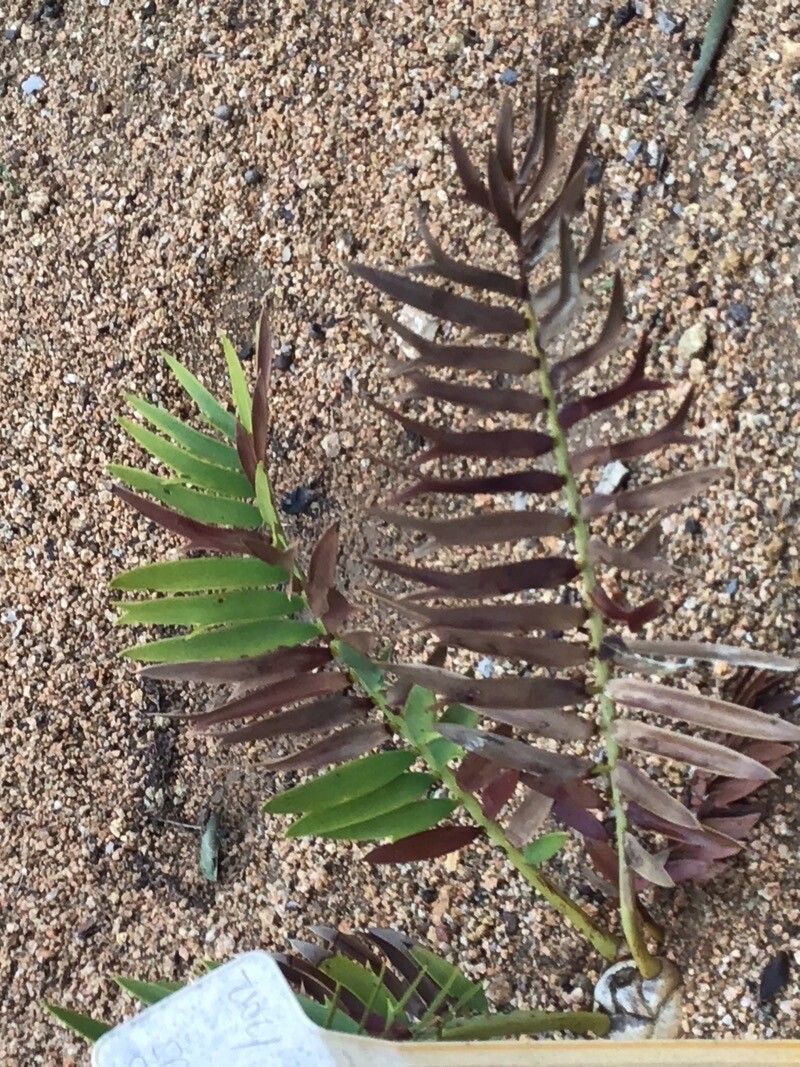
Conquering the Cycad Crown: Propagating Encephalartos trispinosus
The Encephalartos trispinosus, with its crown of feathery fronds and prehistoric charm, is a captivating addition to any plant lover’s collection. But acquiring one can be a pricey endeavor. This is where the magic of propagation comes in! While not for the faint of heart, successfully propagating your own “three-spined cycad” is an incredibly rewarding experience.
Before we delve in, a word of caution: E. trispinosus is a slow-growing cycad, so patience is paramount. Think of it as a long-term investment in botanical beauty!
Two Roads Diverge: Offsets & Seeds
There are two primary methods for propagating E. trispinosus:
- Offsets: Also known as “pups,” offsets are smaller clones that grow around the base of the parent plant.
- Seeds: These require a bit more effort and a keen eye for pollination.
1. The Art of Offsetting
This is generally the preferred method for beginners, as it offers a higher success rate. Here’s how it’s done:
- Timing is Key: The best time to remove offsets is during the warmer months when the plant is actively growing.
- Careful Removal: Using a sharp, sterilized knife or pruning shears, carefully detach the offset from the parent plant, ensuring you gather some of its own root system.
- Let it Rest: Allow the severed end of the offset to callus over for a few days in a cool, dry place.
- Planting Time: Prepare a well-draining potting mix specifically formulated for cycads. Bury the offset just deep enough to support it, leaving the top exposed.
- Patience, Young Padawan: Keep the soil lightly moist but not soggy. It may take several months for significant root development and new growth to appear.
2. The Seed of Life: A Pollination Primer
Propagating E. trispinosus from seed is a more advanced technique, but incredibly rewarding. This species is dioecious, meaning you’ll need both a male and female plant to produce viable seeds.
- Identifying the Sexes: Male cones release pollen, while female cones hold the ovules. When receptive, the female cones will slightly open.
- Playing Bee: You can hand-pollinate using a small paintbrush to transfer pollen from the male to the female cones.
- Harvest Time: If pollination is successful, the female cone will swell and eventually release bright red seeds.
- Prepping for Success: Soak the seeds in water for 24 hours to improve germination rates.
- Sowing the Seeds: Plant them in a well-draining mix, just below the surface.
- Warmth and Light: Provide bottom heat and bright, indirect light. Germination can take several months.
Worth the Wait: Caring for Your New Recruits
Whether you choose offsets or seeds, remember that young E. trispinosus require consistent care:
- Well-Draining Soil: This is crucial to prevent root rot.
- Bright, Indirect Light: Avoid direct sunlight, which can scorch the leaves.
- Water Wisely: Allow the soil to dry out slightly between waterings.
- Patience, Padawan, Patience: It takes time for these ancient wonders to flourish.
By following these steps and embracing the journey, you can propagate your own E. trispinosus – a true testament to your patience and passion for these living fossils. Happy propagating!