
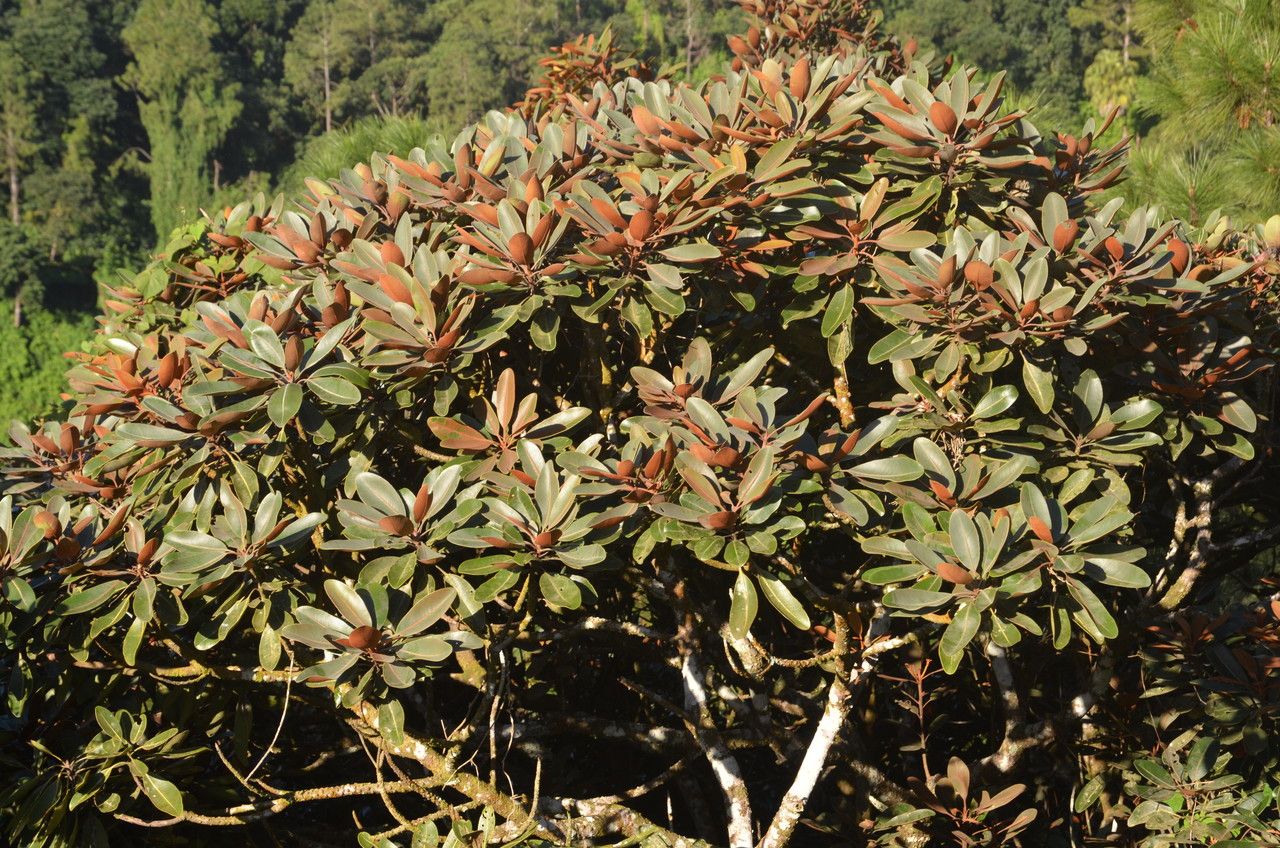
Taming the Tough Nut: Propagating the Rusty Plum (Sideroxylon puberulum)
The Rusty Plum, also known as Sideroxylon puberulum, is a fascinating tree native to the southeastern United States. Beloved for its unique rusty-brown pubescence (hence the name!), attractive foliage, and ability to thrive in challenging conditions, it’s becoming increasingly popular among adventurous gardeners. However, propagating this tree can be a bit tricky.
Unlike some species that readily sprout from cuttings or seeds, the Rusty Plum requires a little extra finesse. Let’s delve into the two primary propagation methods:
1. Seed Propagation: A Test of Patience
Propagating Rusty Plum from seed is considered the most reliable method, although it requires a healthy dose of patience. Here’s how it’s done:
- Seed Collection and Preparation: Collect ripe fruit directly from the tree, ideally in the fall. The fruit will be dark blue to black when ripe. Remove the pulp and extract the single seed within. It’s crucial to note that Rusty Plum seeds exhibit hypogeal germination, meaning the cotyledons (seed leaves) remain below the ground.
- Scarification: The seeds have a hard outer shell that needs to be softened for successful germination. Gently rub the seed against sandpaper or use a small file to nick the seed coat. This process, called scarification, allows water to penetrate and initiate germination.
- Stratification: Mimicking nature’s cues is key. Rusty Plum seeds benefit from cold stratification. After scarification, place the seeds in a moist medium like vermiculite or peat moss, seal them in a plastic bag, and store them in the refrigerator for 60-90 days.
- Sowing: Once stratified, sow the seeds in a well-draining seed starting mix, about an inch deep. Keep the soil consistently moist but not waterlogged. Be prepared for a potentially lengthy wait; germination can take several months.
2. Cutting Propagation: A Quicker, Less Reliable Option
While seed propagation boasts higher success rates, you can try your hand at propagating Rusty Plum from cuttings. However, be aware that this method is less reliable and requires meticulous care:
- Timing is Key: Take semi-hardwood cuttings, ideally from new growth, in late spring or early summer.
- Cut and Treat: Select healthy stems and make a clean cut just below a node (where the leaf attaches). Remove the leaves from the lower portion of the cutting. Dip the cut end in rooting hormone to encourage root development.
- Potting and Care: Plant the treated cuttings in a well-draining potting mix. Maintain high humidity levels by covering the pot with a plastic bag or using a humidity dome. Provide consistent moisture and indirect sunlight.
Challenges and Tips
- Slow Growth: Be aware that Rusty Plum is known for its slow growth rate. Don’t be discouraged if your seedlings or cuttings take their time to establish.
- Moisture Balance: While the tree prefers well-drained soil, consistent moisture is vital, especially during the initial establishment phase.
- Pests and Diseases: The Rusty Plum is relatively resistant to pests and diseases. However, keep an eye out for common issues like scale insects and root rot.
Propagating the Rusty Plum might require a bit more effort than some trees, but the reward of witnessing this unique tree flourish from seed or cutting makes it a worthwhile endeavor for dedicated gardeners. So why not embrace the challenge? With patience and careful attention, you can successfully propagate this beautiful and resilient native tree.