
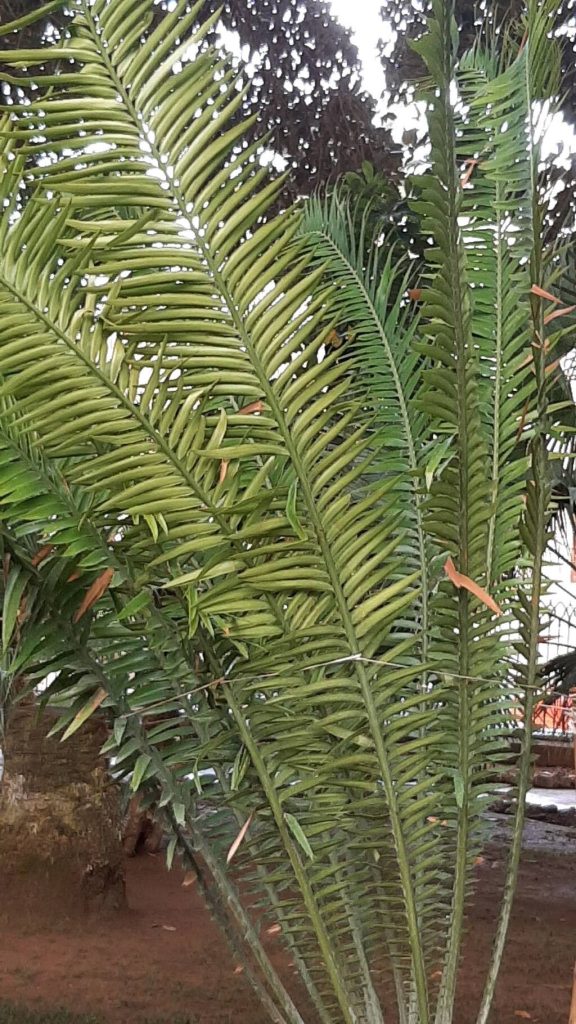
Propagating Encephalartos whitelockii: A Gardener’s Challenge
Introduction:
Encephalartos whitelockii, commonly known as the Whitelock’s Cycad, is a highly prized and sought-after cycad species renowned for its striking appearance. Characterized by its robust, dark green fronds and impressive size, it holds significant horticultural value, captivating gardeners with its prehistoric charm. Its popularity, however, is coupled with the challenges associated with its propagation. Unlike some readily propagated plants, Encephalartos whitelockii presents unique obstacles across various methods. This article explores the viability and intricacies of propagating this magnificent species through seed germination, cuttings, division, and tissue culture.
Seed Germination:
While Encephalartos whitelockii produces seeds, germination presents considerable challenges. The seeds possess a hard seed coat requiring stratification – a period of cold, moist treatment – to break dormancy. Even with stratification (e.g., 3-4 months at 4°C), germination rates remain notoriously low. Furthermore, fungal diseases can easily decimate seedlings.
Practical Tips: Soaking seeds in water for 24-48 hours prior to stratification can assist in softening the seed coat. Sowing should be done in a well-draining, sterile medium, such as a mix of perlite and peat moss. Maintain consistent moisture and temperatures conducive to germination (approximately 25-30°C). Regularly monitor for fungal growth and address any issues promptly with appropriate fungicides.
Rewards: Successful germination contributes to genetic diversity within cultivated populations. Large-scale propagation via seed is theoretically possible, though exceptionally challenging in practice due to low germination rates and susceptibility to disease.
Cuttings:
Currently, there are no known reliable methods for propagating Encephalartos whitelockii through cuttings. Cycads, in general, are notoriously difficult to propagate from cuttings due to their slow growth and susceptibility to rotting. The chances of success are extremely low, making this method impractical.
Division:
Division is feasible only with mature, very large plants, and even then, success is not guaranteed. The process involves carefully separating offsets (pups) from the mother plant, ensuring each offset has its own substantial root system.
Challenges: Incorrect division can severely damage both the parent plant and the offsets, leading to their demise. The large size of established Encephalartos whitelockii plants makes this a physically demanding task. Even with careful execution, the slow healing process increases the risk of infection.
Rewards: Division, when successful, provides a quicker method of propagation compared to seed germination, although it’s limited by the availability of mature plants with offsets.
Tissue Culture:
Tissue culture offers a promising though technically demanding route for Encephalartos whitelockii propagation. It allows for the rapid multiplication of plants from a small amount of source material, potentially overcoming the limitations of other methods.
Challenges: Establishing aseptic conditions and mastering the specific growth media and hormonal requirements for Encephalartos whitelockii are critical. Requires specialized equipment, a sterile environment, and considerable expertise. The initial setup costs can be significant.
Rewards: Tissue culture provides the potential for rapid, large-scale propagation, offering a viable path for conservation efforts and wider availability of plants.
Conclusion:
Propagating Encephalartos whitelockii presents significant challenges across all methods. Seed germination offers the possibility of genetic diversity but suffers from low germination rates and disease susceptibility. Cuttings are impractical. Division is limited and risky, while tissue culture, though promising, requires specialized knowledge and resources. The rewards – contributing to the conservation of this remarkable plant and enjoying the immense satisfaction of cultivating it – are undoubtedly powerful motivators. However, aspiring propagators should approach this endeavor with patience, diligence, and the understanding that setbacks are likely. The successful cultivation of this magnificent cycad, after overcoming these challenges, provides an unparalleled sense of accomplishment. Start small, learn from your mistakes, and embrace the journey — the rewards are truly worth the effort.