
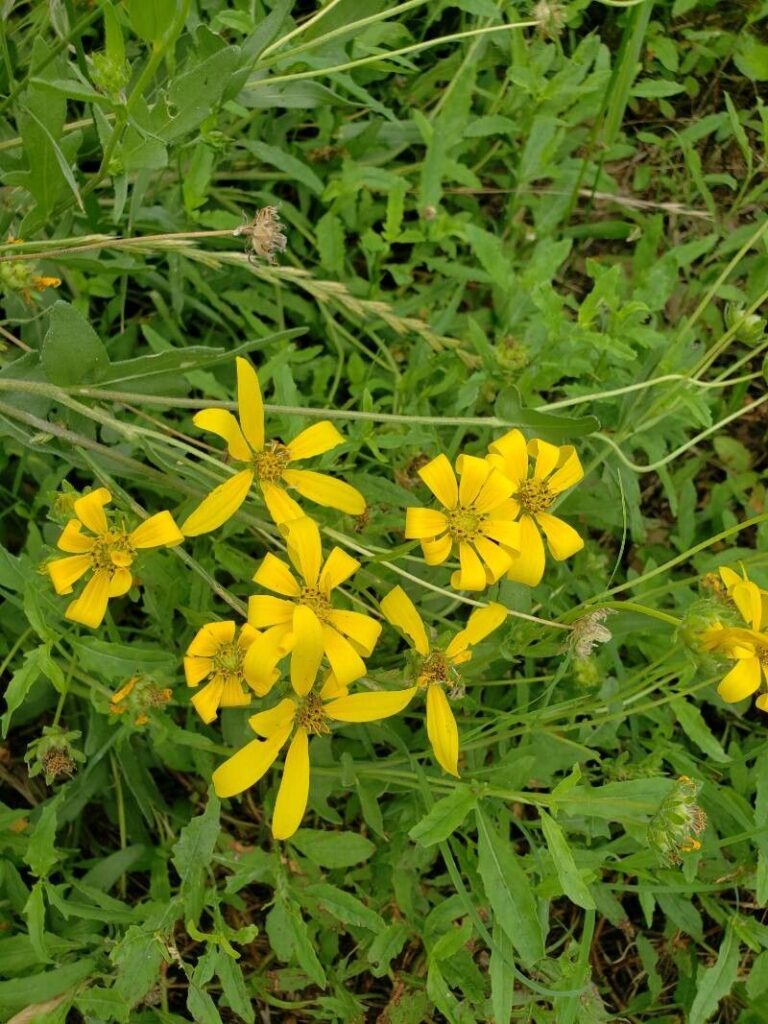
Unveiling the Secrets of Engelmannia Propagation: Grow Your Own Texan Star
Engelmannia peristenia, better known as the Engelmann’s daisy or Texan star, is a captivating wildflower native to the prairies and meadows of Texas and the southern United States. With its cheerful yellow blooms resembling miniature sunflowers and a long blooming season, it’s an excellent choice for attracting pollinators to your garden. While readily available in nurseries, wouldn’t it be rewarding to grow Engelmann’s daisy yourself? Let’s delve into the world of Engelmannia propagation and discover the secrets to multiplying this charming plant.
Two Paths to Propagation: Seeds and Divisions
Engelmannia peristenia offers two main methods of propagation:
1. Sowing the Seeds of Success:
- Collecting Seeds: In late summer or early fall, keep an eye out for the seed heads of your Engelmann’s daisy. Once the petals fade and the seed heads turn brown and dry, they are ready for harvesting. Gently rub the heads between your fingers to release the small, black seeds.
- Sowing Time: Direct sowing in the fall, just before the first frost, is ideal. This allows the seeds to undergo natural stratification (a period of cold exposure that simulates winter). Alternatively, you can cold-stratify seeds indoors by storing them in a moist paper towel inside the refrigerator for 4-6 weeks before sowing.
- Sowing Technique: Scatter seeds on the surface of a well-drained seed-starting mix and lightly press them in. Keep the soil consistently moist but not soggy. Germination typically takes 2-3 weeks.
- Transplanting: Once seedlings develop several sets of true leaves, they are ready to be transplanted outdoors after the last frost.
2. Dividing for Abundance:
- Timing is Key: Early spring or fall, when the plant is dormant or just beginning to emerge from dormancy, is the best time to divide Engelmann’s daisy.
- Division Process: Carefully dig up the entire clump of the plant. Using a sharp, clean knife or spade, divide the root ball into smaller sections, ensuring each section has a healthy amount of roots and shoots.
- Replanting: Plant the divisions at the same depth they were originally growing. Water them well and provide consistent moisture as they establish.
Tips for Propagation Success:
- Well-Drained Soil is Crucial: Whether starting from seed or divisions, ensure your planting medium or garden soil drains well. Soggy soil can lead to root rot and hinder propagation success.
- Sunlight is Your Friend: Engelmannia peristenia thrives in full sun (at least 6 hours per day). Choose a sunny location for both seed starting and transplanting divisions.
- Wildlife Welcome: Engelmann’s daisy is a magnet for bees and butterflies. Embrace the buzzing and fluttering – these pollinators are a sign of a healthy and thriving plant.
Patience is a Virtue: While Engelmannia peristenia is relatively easy to propagate, remember that patience is key. Give your seeds or divisions time to establish and thrive. Soon, you’ll be rewarded with a bounty of these sunny, cheerful blooms, gracing your garden with their Texan charm.