
Unlocking the Secrets of Ensete Ventricosum Propagation: From Seed to Stately Giant
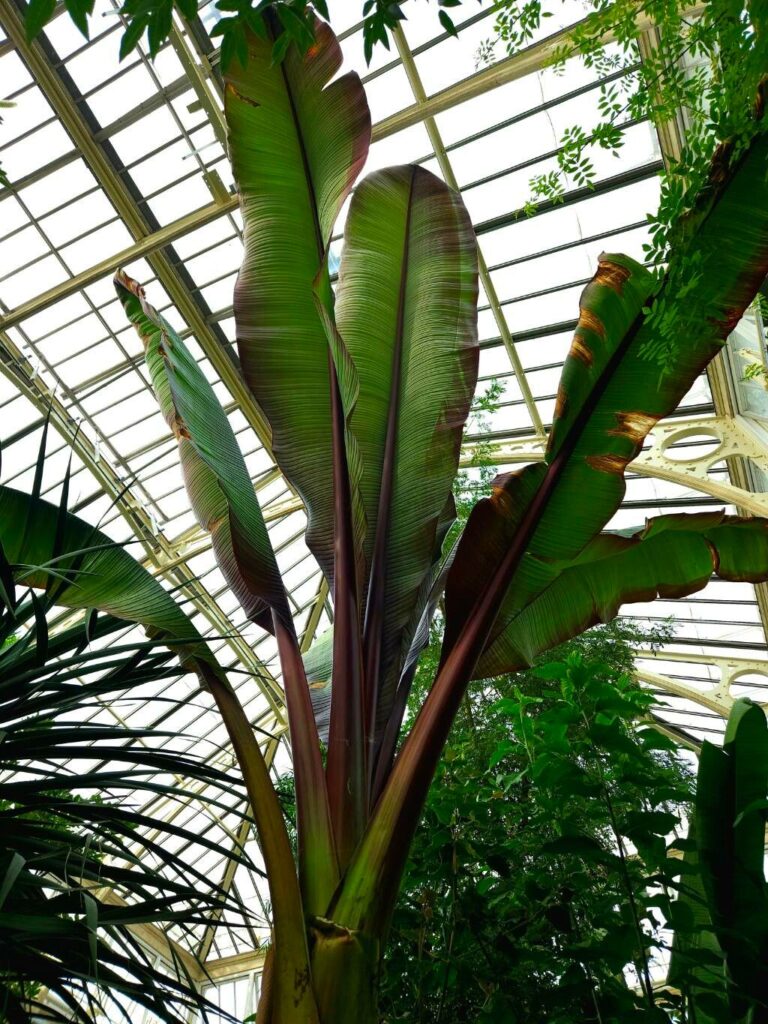
Ensete ventricosum, also known as the Ethiopian banana or Abyssinian banana, is a majestic plant that commands attention with its enormous paddle-shaped leaves and sculptural presence. While not a true banana, this fast-growing beauty brings a touch of the tropics to gardens and homes. Whether you’re drawn to its dramatic foliage or curious about cultivating this unique species, understanding Ensete ventricosum propagation is key to success.
Sowing the Seeds of Success: Propagating Ensete Ventricosum from Seed
While not as common as propagation from pups (more on that later!), starting Ensete ventricosum from seed is a rewarding experience. Here’s how:
- Source Fresh Seeds: Look for reputable online sellers or nurseries specializing in exotic plants for the best chance of germination.
- Prepare for Germination: Ensete ventricosum seeds have a hard outer coating that benefits from scarification. Gently nick or file the seed coat, being careful not to damage the inner embryo. Soak the seeds in warm water for 24-48 hours to further encourage germination.
- Plant with Care: Sow seeds individually in well-draining seed starting mix, burying them about 1 inch deep. Maintain warmth (around 75-80°F) and consistent moisture.
- Patience is Key: Germination can be erratic, taking anywhere from a few weeks to several months. Don’t lose hope! Provide consistent care, and you’ll eventually be rewarded with seedlings.
The Power of Pups: Propagation through Division
Ensete ventricosum often produces offshoots, known as pups, at the base of the main plant. These pups offer a faster and more reliable propagation method:
- Timing is Everything: It’s best to divide pups in spring or early summer when the plant is actively growing.
- Separate Carefully: Using a sharp, sterilized knife or spade, carefully separate the pup from the mother plant, ensuring it has its own roots attached.
- Potting Up: Plant the pup in a well-draining potting mix, burying the base slightly below the soil line. Water thoroughly.
- Nurturing Growth: Provide bright, indirect light and maintain consistent moisture. Fertilize regularly during the growing season to support healthy development.
Essential Tips for Ensete Ventricosum Success
- Well-Draining Soil: These plants are susceptible to root rot, so ensure excellent drainage by amending soil or using a well-draining potting mix.
- Bright, Indirect Light: Ensete ventricosum thrives in bright, indirect light. Avoid direct sunlight, which can scorch the leaves.
- Consistent Moisture: Water deeply when the topsoil feels dry to the touch, but avoid overwatering. These plants are surprisingly drought-tolerant once established.
- Warmth is Key: As a tropical plant, Ensete ventricosum prefers temperatures above 50°F. In cooler climates, it’s best grown in containers that can be moved indoors during winter.
From Tiny Seeds to Tropical Giants
Whether you choose to embark on the rewarding journey of growing from seed or opt for the faster results of dividing pups, propagating Ensete ventricosum is an accessible and fulfilling experience. With proper care and attention, you can enjoy the stunning tropical beauty of this architectural marvel in your own garden or home.