
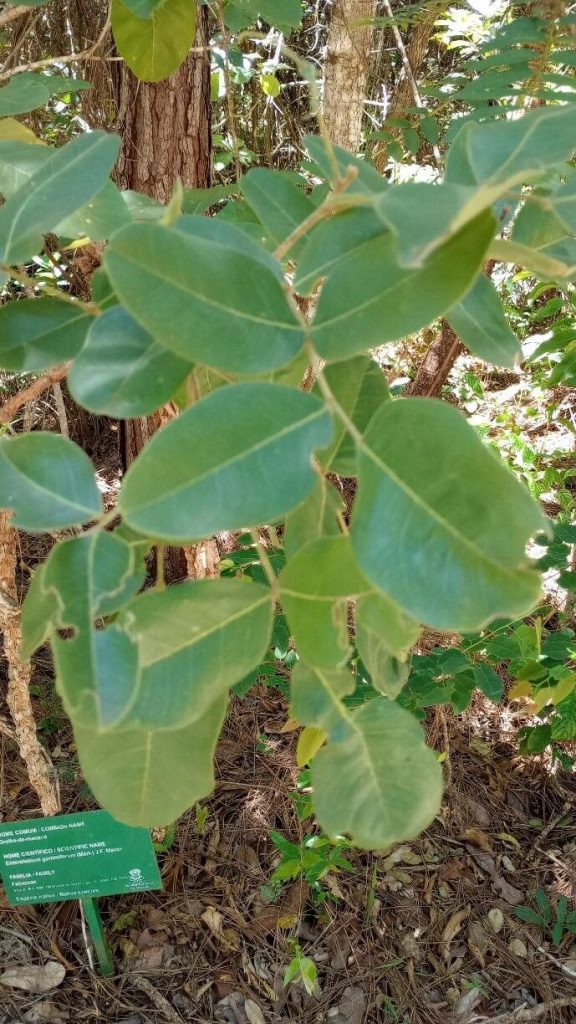
Propagating the Elephant Ear Tree: A Guide to Cultivating Enterolobium gummiferum
Introduction
Enterolobium gummiferum, commonly known as the elephant ear tree or oreja de elefante, is a striking tropical tree prized for its large, distinctive leaves and elegant, umbrella-like canopy. Its rapid growth and shade-providing qualities make it popular among gardeners in suitable climates. However, propagating this species can present unique challenges. This article explores various propagation methods, highlighting their viability and providing practical guidance.
Seed Germination
Seed germination is a viable method for propagating Enterolobium gummiferum. However, it presents some challenges. The hard seed coat can hinder water uptake and germination.
Challenges: Hard seed coat, inconsistent germination rates.
Practical Tips: Scarification is crucial. Methods include nicking the seed coat with a file or sandpaper, or soaking seeds in hot water (approximately 80°C) for a short period (30-60 seconds), followed by a 24-hour soak in room-temperature water. Sowing should be done in a well-draining seed-starting mix, kept moist but not waterlogged. Warm temperatures (25-30°C) are optimal. Germination can take several weeks to several months.
Rewards: High genetic diversity among seedlings, potential for large-scale propagation, relatively inexpensive method.
Cuttings
Propagating Enterolobium gummiferum from cuttings is generally considered less reliable than seed germination. While some success may be achieved with semi-hardwood cuttings taken during the late summer or early autumn, rooting rates are often low.
Challenges: Low rooting success rates, susceptibility to fungal diseases during rooting.
Practical Tips: Use semi-hardwood cuttings, approximately 10-15 cm long. Treat with rooting hormone before planting in a well-draining medium under humid conditions. A mist propagation system may increase success.
Rewards: Faster establishment compared to seedlings, potential for clonal propagation of superior individuals (if successful).
Division
Division is not a practical propagation method for Enterolobium gummiferum. This tree develops a robust taproot system, making division highly disruptive and unlikely to result in the survival of the separated portions. Therefore, this method is not recommended.
Tissue Culture
Tissue culture offers a potentially viable, albeit specialized, method for propagating Enterolobium gummiferum. While it requires specific laboratory equipment and expertise, it allows for rapid multiplication of genetically identical plants and the production of disease-free stock.
Challenges: Requires specialized equipment and expertise, high initial investment costs.
Practical Tips: Establishment of aseptic culture conditions is paramount. The use of appropriate growth media and plant hormones is crucial for successful shoot multiplication and rooting.
Rewards: Rapid multiplication of desirable genotypes, disease-free plantlets, potential for large-scale propagation.
Conclusion
Propagating Enterolobium gummiferum, while rewarding, presents challenges across all methods. Seed germination, while viable and relatively inexpensive, requires patience and skillful seed preparation. Cuttings present a lower likelihood of success, and division is impractical. Tissue culture offers a more controlled and consistent method but requires specialized skills and resources. The unique satisfaction of cultivating this magnificent tree stems from overcoming these challenges, nurturing the fragile seedlings or cuttings, and witnessing the eventual growth of this majestic specimen. The effort invested is undoubtedly well worth the reward of a thriving elephant ear tree in your landscape. Aspiring propagators should carefully consider their resources and experience before selecting their propagation method, starting with readily available seeds and perhaps exploring tissue culture for more advanced propagation.