
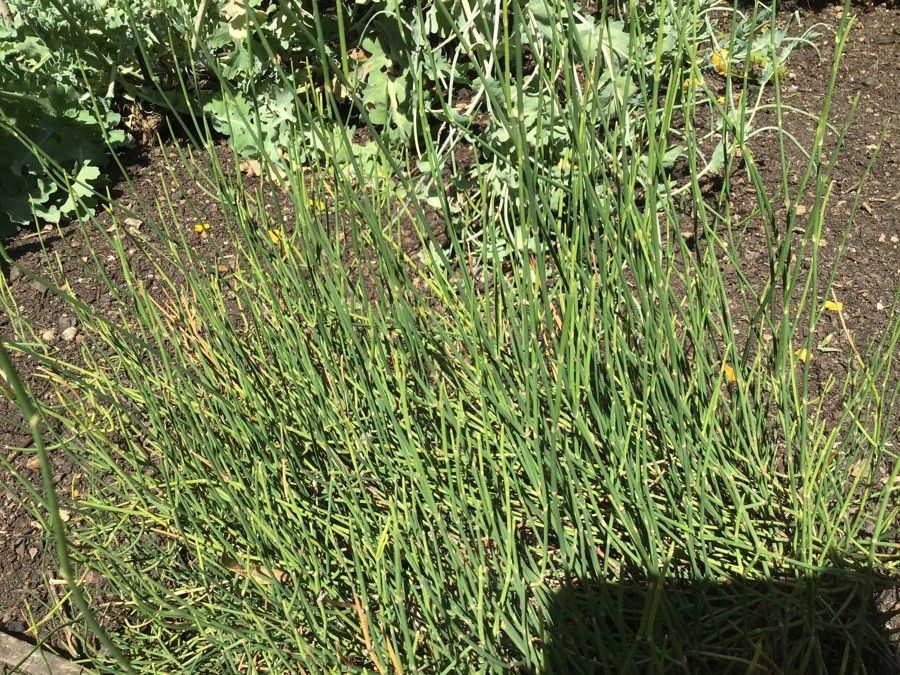
Reaching New Heights: Propagating the Majestic Ephedra altissima
The Ephedra altissima, also known as the Tall Jointfir, is a majestic shrub native to the Mediterranean region. With its striking, almost prehistoric appearance and drought-tolerant nature, it’s becoming an increasingly popular choice for xeriscaping and landscape designs. If you’re captivated by its unique beauty and want to propagate your own Ephedra altissima, you’ve come to the right place!
While Ephedra altissima might seem intimidating to propagate, it’s surprisingly achievable with a bit of patience and the right approach. This comprehensive guide will equip you with the knowledge to successfully propagate this stunning shrub using two primary methods:
1. Seed Propagation:
While slightly more time-consuming, seed propagation offers a rewarding experience for enthusiastic gardeners.
- Seed Collection: The ideal time to collect seeds is in late summer or early fall when the cones mature and turn brown. Gently crush the cones to release the seeds.
- Seed Preparation: Ephedra altissima seeds benefit from stratification, a process mimicking natural winter conditions that helps break their dormancy. Place the seeds in a sealed bag filled with slightly damp vermiculite or sand and store them in the refrigerator (around 4°C or 40°F) for 4-6 weeks.
- Sowing: After stratification, sow the seeds in seed trays or pots filled with a well-draining seedling mix. Press them gently into the surface without burying them completely, as they need light to germinate.
- Germination: Place the pots in a warm, brightly lit location, but out of direct sunlight. Mist the soil regularly to keep it consistently moist but not waterlogged. Germination can be erratic and may take anywhere from a few weeks to a couple of months.
- Transplanting: Once the seedlings develop a strong root system and a few sets of true leaves, they are ready to be transplanted into individual pots or directly into the ground. Choose a sunny location with well-drained soil.
2. Propagation from Cuttings:
Taking cuttings is a faster method for propagating Ephedra altissima, allowing you to create clones of the parent plant.
- Timing: The best time for taking cuttings is in late spring or early summer when the plant is actively growing.
- Taking the Cuttings: Select healthy, non-flowering stems that are about 4-6 inches long. Make a clean cut just below a node (where the leaves emerge) using sharp, sterilized pruning shears.
- Preparing the Cuttings: Remove the lower leaves from the cutting, leaving only a few at the top. You can also wound the base of the cutting slightly by making a small incision or scraping off a bit of bark. This can encourage root development.
- Planting the Cuttings: Dip the base of the cuttings in rooting hormone to stimulate root growth (optional, but recommended). Plant them in small pots filled with a well-draining mix of perlite and peat moss.
- Creating a Humid Environment: To create a humid environment conducive to root development, cover the pots with a plastic bag or place them in a propagator.
- Rooting: Keep the cuttings in a warm, brightly lit location, out of direct sunlight. Mist them regularly to maintain humidity and ensure the soil stays lightly moist. Rooting typically takes 4-8 weeks.
- Transplanting: Once the cuttings develop roots and show signs of new growth, they can be transplanted into larger pots or directly into the garden.
Patience Is Key:
Remember that propagating Ephedra altissima, whether by seed or cuttings, requires patience and close attention to moisture and light conditions. Don’t be discouraged if you don’t see results immediately. With proper care and diligence, you’ll be rewarded with healthy, thriving plants that will add unique beauty to your landscape for years to come.