
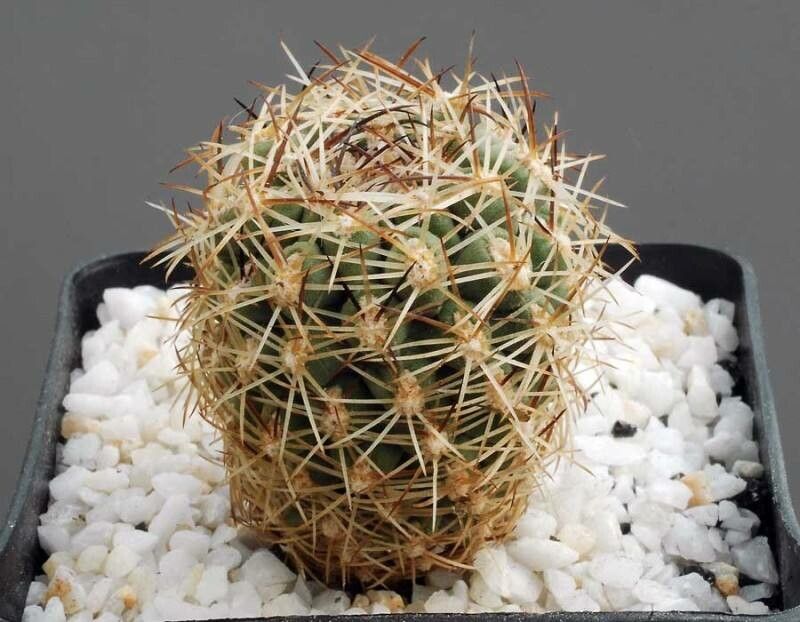
Cracking the Code: Propagating the Rare and Wonderful Sclerocactus brevispinus
The Sclerocactus brevispinus, also known as the Pariette cactus, is a captivating little cactus that draws attention with its unique, fishhook-like spines and beautiful pink blooms. Native to a small region in Utah and Colorado, this rare gem is a prized possession for cactus enthusiasts. But getting your hands on one can be tricky, which brings us to the intriguing world of Sclerocactus brevispinus propagation.
Propagating this cactus comes with a unique set of challenges. Unlike many cacti that readily sprout from cuttings, S. brevispinus is most successfully propagated from seed – a process that requires patience, the right conditions, and a touch of green-thumb magic.
Sowing the Seeds of Success
Here’s a step-by-step guide to help you navigate the world of Sclerocactus brevispinus propagation:
Sourcing Seeds: The first hurdle is acquiring viable seeds. Look for reputable nurseries specializing in cacti and succulents, or join online communities dedicated to cactus cultivation where seeds are often shared or traded.
Timing is Everything: Spring is the ideal time to sow your seeds, as the warmer temperatures and increasing daylight hours mimic the cactus’s natural growing cycle.
Creating the Perfect Nursery: Use shallow seed trays or pots with good drainage. Fill them with a well-draining seed-starting mix specifically designed for cacti and succulents.
Sowing with Care: Sprinkle the seeds sparingly on the surface of the soil. S. brevispinus seeds are tiny, so avoid sowing them too deeply. Gently press them into the soil surface, ensuring good contact.
The Humidity Game: Moisture and warmth are crucial for successful germination. Cover the seed trays with a clear lid or plastic wrap to create a humid environment. Place them in a warm location with bright, indirect light. A seedling heat mat can be helpful for maintaining optimal temperatures (around 70-75°F).
Patience is a Virtue: Germination can be slow and erratic, taking anywhere from a few weeks to even a couple of months. Resist the urge to overwater, as excessive moisture can lead to fungal problems.
- Thinning the Herd: Once seedlings emerge, remove the cover and provide them with plenty of bright, indirect light. Thin out any weak or crowded seedlings to give the strongest ones room to grow.
Beyond Germination: Nurturing Your Cactus Pups
- Gradual Acclimation: As your S. brevispinus seedlings mature, gradually acclimate them to lower humidity levels. Start by briefly removing the humidity cover for increasingly longer periods over several weeks.
- Watering Wisely: Water sparingly, allowing the soil to dry out completely between waterings. Overwatering is a common pitfall, so err on the side of caution.
- Potting Up: Once the seedlings are large enough to handle comfortably, transplant them individually into small pots with well-draining cactus mix.
- Sunlight is Key: Gradually introduce your cacti to stronger sunlight as they grow to encourage robust growth and flowering.
Challenges and Rewards
Propagating S. brevispinus from seed isn’t always easy, and losses are not uncommon, even for seasoned growers. But the rewards are well worth the effort. Successfully germinating and nurturing these rare cacti offers a sense of accomplishment and allows enthusiasts to contribute to the conservation of this remarkable species. With dedication and a little bit of luck, you can unlock the secrets of Sclerocactus brevispinus propagation and enjoy the beauty of these fascinating plants for years to come.