
Taming the Desert Tea: Propagating Ephedra californica
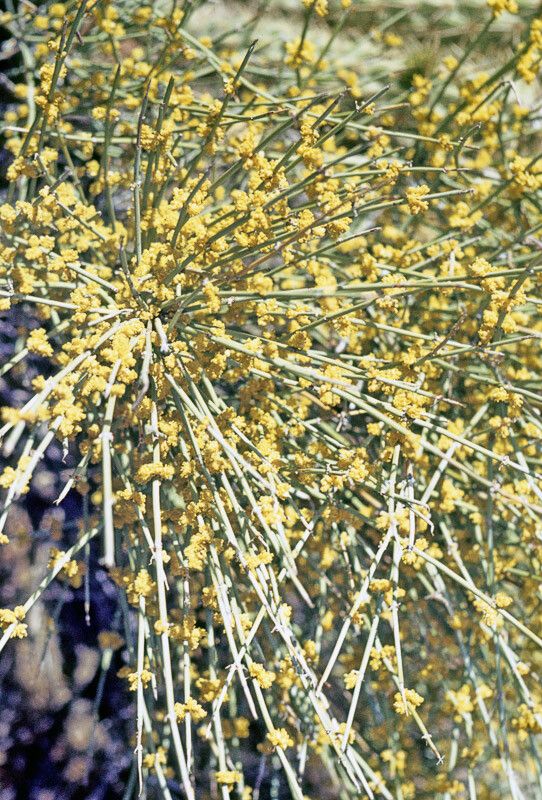
Ephedra californica, also known as Mormon tea or Brigham tea, isn’t your typical garden variety plant. This desert dweller, with its wispy, almost leafless branches, might seem too rugged for cultivation. But beneath its austere exterior lies a fascinating botanical specimen with a rich history, and yes, even a certain charm. If you’re feeling adventurous, propagating Ephedra californica can be a rewarding challenge.
Understanding the Ephedra
Before diving into propagation, it’s important to understand this unique plant. Ephedra californica is a gymnosperm, meaning its seeds are “naked” and not enclosed in a fruit like a typical flowering plant. Instead, it produces cones. This ancient lineage is evident in its primitive appearance, showcasing nature’s resilience in harsh environments.
Propagation Methods: Unveiling the Options
Propagating Ephedra californica can be done in two ways:
1. Seed Propagation: Embracing the Challenge
Propagating Ephedra californica from seed requires patience and a bit of luck.
- Collecting Seeds: You’ll need to source ripe cones, which are small and reddish-brown when mature. Carefully extract the seeds, which are often found in pairs within the cones.
- Sowing the Seeds: Sow the seeds in a well-draining soil mix specifically prepared for cacti and succulents. Lightly cover them with a sprinkle of sand or perlite to mimic their natural environment.
- Patience is Key: Germination can be erratic and may take several weeks or even months. Keep the soil consistently moist but avoid overwatering, which can lead to rot.
2. Propagation from Cuttings: A Faster Route
Propagating from cuttings offers a quicker and often more successful method:
- Choosing the Right Time: The ideal time for taking cuttings is during the plant’s active growing season, typically spring or early summer.
- Selecting Cuttings: Look for healthy stems that are at least 6 inches long. Using clean, sharp pruning shears, make a cut just below a node (the point where leaves or branches emerge).
- Preparing the Cuttings: Remove the lower leaves from the cutting to prevent them from rotting in the soil. You can dip the cut end in a rooting hormone powder to encourage root development, although this isn’t strictly necessary.
- Planting the Cuttings: Plant the cuttings in a well-draining potting mix, burying at least two nodes below the soil surface.
- Creating Humidity: To improve the success rate, you can create a mini greenhouse effect by covering the pot with a plastic bag or humidity dome.
Caring for Your Ephedra: A Light Touch
Whether you choose seed or cutting propagation, Ephedra californica thrives on neglect rather than excessive care.
- Sunlight: Place your plants in a location that receives at least six hours of direct sunlight per day.
- Water: Water sparingly, allowing the soil to dry out completely between waterings. These plants are highly drought tolerant.
- Fertilizer: Fertilizing is generally unnecessary, as Ephedra californica is adapted to nutrient-poor soils.
A Note of Caution: While traditionally used for medicinal purposes, Ephedra species contain ephedrine, a stimulant that can be toxic in high doses. Always exercise caution and consult with a healthcare professional before using any part of this plant.
Propagating Ephedra californica might seem like a journey into the unknown, but with a little patience and the right approach, even this desert survivor can thrive under your care.