
Propagating Ephedra minuta: A Challenging but Rewarding Endeavor
Introduction:
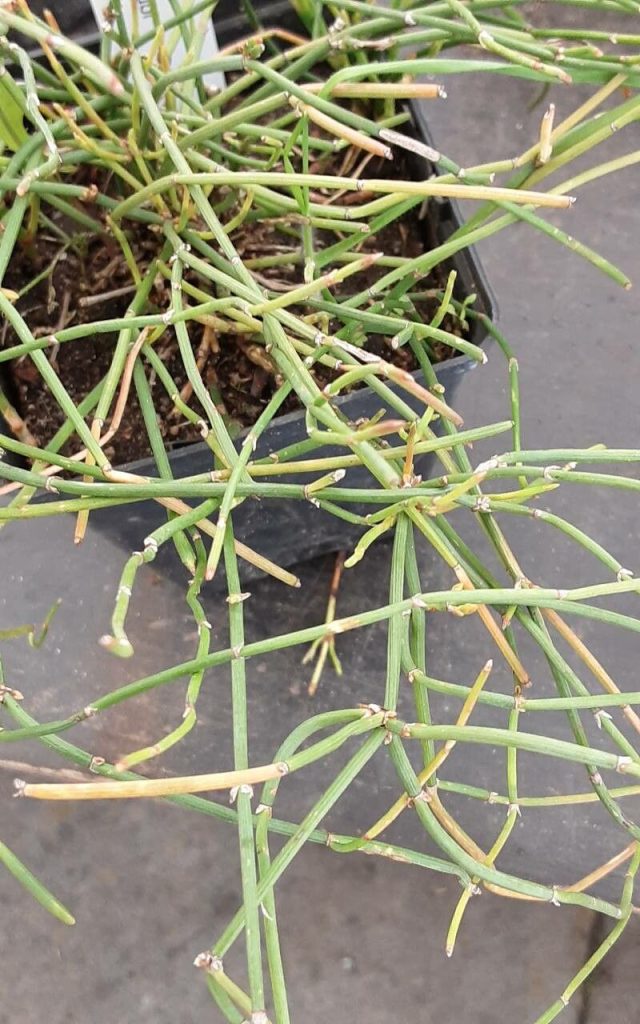
Ephedra minuta, also known as Mormon tea (though the name is rather broadly applied to several Ephedra species), is a fascinating and resilient shrub belonging to the Ephedraceae family. Characterized by its jointed, slender stems and inconspicuous leaves, it holds significant horticultural interest for its drought tolerance and adaptability to harsh conditions. This makes it a desirable plant for xeriscaping and arid-region gardening. However, propagating Ephedra minuta presents unique challenges, making successful cultivation a source of considerable pride among plant enthusiasts. Its inherent difficulties stem partly from its unique reproductive biology and slow growth rate.
Seed Germination:
Currently, there are no known reliable methods for seed germination propagation of Ephedra minuta. While the plant does produce seeds, their germination rate is extremely low, and successful germination under controlled conditions has yet to be consistently documented. The challenges likely stem from dormancy mechanisms and potentially specific environmental cues required for breaking this dormancy which remain unknown. Further research is needed to explore potential seed germination techniques.
Cuttings:
Propagating Ephedra minuta from cuttings holds more promise than seed germination, though it remains challenging. The success rate is significantly influenced by several factors, including the timing of cutting collection (ideally during the active growing season), the use of rooting hormone, and maintaining consistently high humidity.
- Challenges: Low rooting success rate, susceptibility to fungal diseases during the rooting process, slow root development.
- Practical Tips: Use semi-hardwood cuttings taken from the current year’s growth. Dip the cut ends in a rooting hormone solution, and plant them in a well-draining, sterile propagation mix (e.g., perlite and vermiculite). Maintain high humidity using a propagator or humidity dome. Provide adequate but not excessive light and warmth.
- Rewards: Relatively faster propagation than other methods (although still slow), preservation of the parent plant’s genetic characteristics.
Division:
Division is a viable propagation method for Ephedra minuta, especially for established plants large enough to be safely divided. This method involves carefully separating the root system into smaller portions, each with sufficient root mass and stems.
- Challenges: Damage to the root system can be easily done, potentially killing parts or the whole plant. Established plants are required.
- Practical Tips: Divide the plant only during the dormant season (late winter) to minimize stress. Use a sharp, clean tool to avoid damaging the roots and stems. Replant the divisions immediately in a well-draining, well-amended soil. Water thoroughly after planting.
- Rewards: High success rate if done carefully, relatively quicker establishment compared to cuttings.
Tissue Culture:
Tissue culture offers the potential for large-scale propagation of Ephedra minuta, although it’s a highly specialized technique requiring specific laboratory conditions and expertise.
- Challenges: Requires specialized equipment and knowledge, high initial investment, slow growth rate even in ideal tissue culture conditions. The optimization of growth media and culture conditions is crucial for success.
- Practical Tips: This should only be attempted by individuals with extensive experience in plant tissue culture techniques. Consulting with professionals in plant tissue culture would be advised.
- Rewards: Potentially large-scale propagation, genetic uniformity, disease-free plants.
Conclusion:
Propagating Ephedra minuta, despite its challenges, offers a unique satisfaction. While seed germination remains elusive, cuttings and division offer viable, albeit slow, methods. Tissue culture presents the potential for significant scale, but requires substantial resources and expertise. Ultimately, success depends on patience, meticulous attention to detail, and a deep appreciation for this fascinating and rather challenging plant. For aspiring propagators, remember that persistence is key, learning from any setbacks, and celebrate even the smallest successes along the way. The reward of successfully cultivating this resilient species is truly worth the endeavor.