
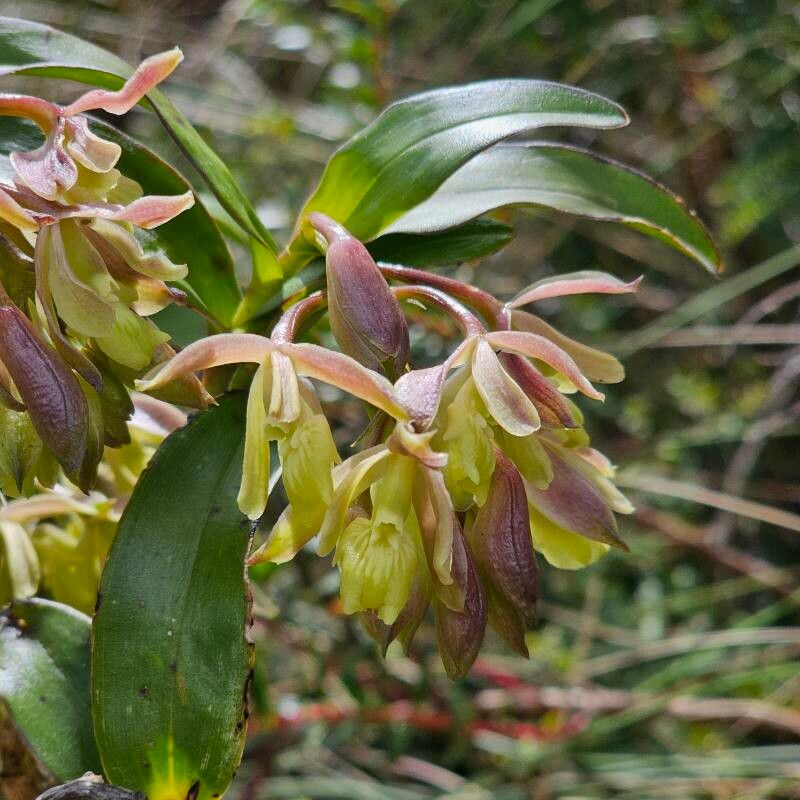
Unveiling the Secrets of Propagating the Exquisite Epidendrum cotacachiense
The Epidendrum cotacachiense, with its captivating beauty and enchanting fragrance, holds a special allure for orchid enthusiasts. This epiphytic marvel, hailing from the cloud forests of the Andes, can seem a bit intimidating to propagate. Fear not, fellow plant lovers, for we’re about to unravel the secrets to successfully multiplying your Epidendrum cotacachiense and expanding its splendor!
Decoding the Epidendrum cotacachiense
Before we delve into propagation, let’s get acquainted with our star orchid. This species thrives in cool, humid environments, reminiscent of its natural habitat. It boasts clusters of vibrant orange-red flowers borne on tall, cane-like stems, offering a delightful spectacle.
Propagation Pathways: Two Routes to Orchid Abundance
1. Divisions: Separating for Success
Dividing mature plants is the most common and arguably the easiest method for propagating Epidendrum cotacachiense. Here’s how:
- Timing is Key: Spring, just as new growth emerges, offers the ideal window for divisions.
- Tools of the Trade: A sterilized sharp knife or pruning shears and a fungicide powder are essential.
- The Division Process:
- Carefully remove the plant from its pot.
- Identify sections with at least 3-4 healthy canes and a well-developed root system.
- Using your sterilized tool, cleanly cut through the rhizome (the horizontal stem connecting the canes), ensuring each division has sufficient roots and canes.
- Dust all cut surfaces with fungicide powder to prevent infections.
- Potting Your Divisions:
- Choose pots with good drainage, slightly larger than the root system of each division.
- Use a well-draining orchid potting mix, typically composed of bark, perlite, and charcoal.
- Gently firm the mix around the roots, ensuring the base of the plant sits slightly above the rim of the pot.
- Post-Division Care:
- Water lightly for the first week, allowing the divisions to acclimate.
- Place in a location with bright, indirect light and high humidity.
- Resume regular watering once new growth appears.
2. Keikis: Nature’s Little Miracles
Occasionally, Epidendrum cotacachiense surprises you with keikis, miniature plants that develop along the flower stems. These little marvels offer a rewarding, albeit less predictable, propagation method:
- Keiki Identification: Look for tiny plantlets emerging from nodes on the flower stem, complete with leaves and roots.
- When to Remove: Wait until the keiki develops a good root system (about 2-3 inches long).
- Gentle Removal: Carefully detach the keiki from the mother plant, ensuring not to damage the roots.
- Potting Your Keiki: Follow the same potting procedure as with divisions, using a small pot and a well-draining orchid mix.
Patience: The Propagator’s Virtue
Whether you choose divisions or delight in the surprise of keikis, remember that patience is key. It can take a few months for newly propagated Epidendrum cotacachiense to establish themselves. Once they do, you’ll be rewarded with a symphony of vibrant blooms and the satisfaction of successfully expanding your orchid family!