
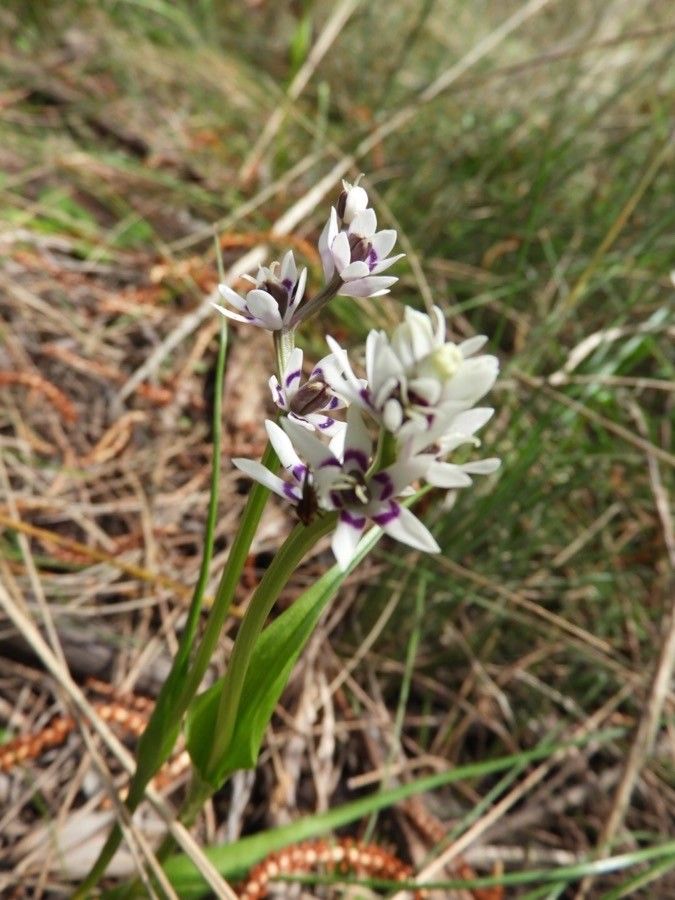
Untangling the Secrets of Wurmbea dioica: A Propagation Primer
The Wurmbea dioica, also known as Early Nancy, is a fascinating little flower with a captivating life cycle and subtle beauty. While not as flamboyant as some of its botanical brethren, this unassuming Australian native holds its own with delicate, star-shaped blooms and an alluring resilience. If you, like many others, are captivated by this charming plant and wish to propagate it in your own garden, you’ve come to the right place.
Unlike many plants that readily spread through cuttings or readily sprout from divided clumps, Wurmbea dioica prefers a more self-sufficient approach, relying primarily on seeds for propagation. While this might seem limiting, it adds an element of rewarding challenge to the process, allowing you to witness the plant’s fascinating life cycle from its very inception.
Sowing the Seeds of Success:
Timing is Key: The ideal time to sow Wurmbea dioica seeds is in the fall, after the summer heat has subsided but well before the first frost arrives. This mimics the plant’s natural cycle, allowing the seeds to benefit from the cool, moist conditions of autumn and winter for successful germination.
Preparing the Seedbed: Choose a well-drained potting mix or prepare a seedbed in your garden with light, loose soil. Wurmbea dioica prefers slightly acidic to neutral pH levels.
Sowing with Care: Sprinkle the tiny seeds sparingly over the surface of the soil, avoiding overcrowding. Lightly press them down to ensure good contact with the soil, but resist the urge to bury them deeply, as they require light to germinate.
- Patience is a Virtue: Keep the soil consistently moist but not waterlogged. Germination can be erratic, with some seeds sprouting within weeks while others might take several months. Don’t be discouraged by a seemingly slow start, as patience is often rewarded in the world of Wurmbea dioica.
Nurturing Nature’s Tiny Wonders:
Light and Location: Once your Wurmbea dioica seedlings emerge, provide them with a location that receives bright, indirect light. Morning sun with afternoon shade is ideal.
Watering Wisely: Maintain consistently moist soil throughout the growing season, but avoid overwatering, which can lead to root rot.
Feeding for Flourishing: While not heavy feeders, a light application of a balanced, slow-release fertilizer in early spring can provide your Wurmbea dioica with the nutrients it needs to thrive.
- Enjoying the Show: With proper care, your Wurmbea dioica will reward you with its delicate blooms in late winter or early spring, adding a touch of understated elegance to your garden.
A Legacy Carried on the Wind:
As the flowering season concludes, Wurmbea dioica develops small seed capsules. Allow these capsules to dry on the plant, and you’ll witness nature’s ingenious dispersal method in action. The capsules will eventually split open, scattering the tiny seeds with the wind, ready to begin the cycle anew.
Propagating Wurmbea dioica through seeds might require a touch of patience and dedication, but the rewards are well worth the effort. By embracing the plant’s natural life cycle and providing the right conditions, you can enjoy the delicate beauty of these fascinating flowers in your own garden year after year.