
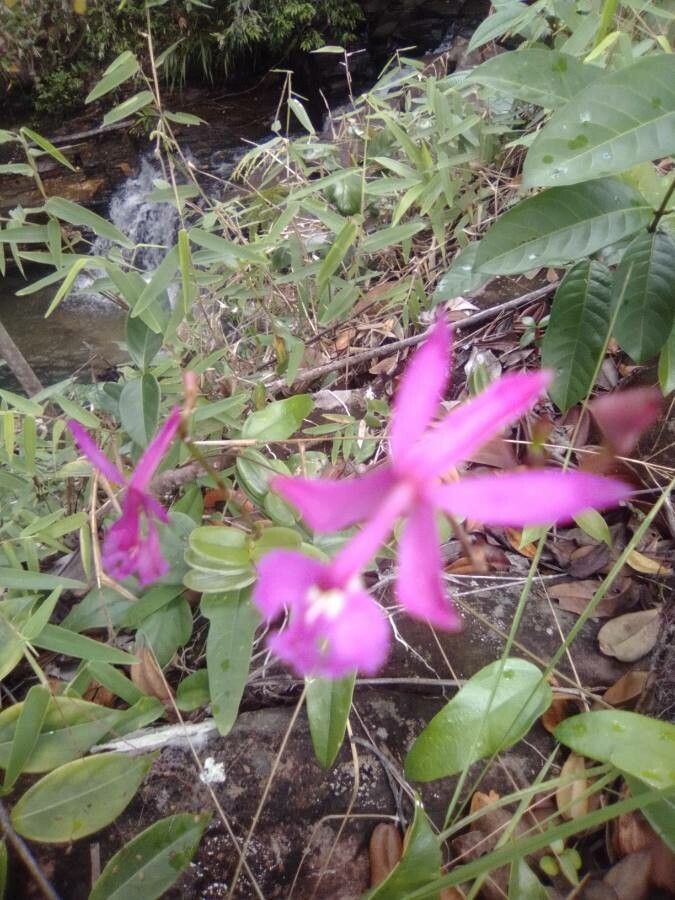
Unveiling the Secrets of Epidendrum denticulatum Propagation: A Guide to Multiplying Your Orchid Beauty
The Epidendrum denticulatum, with its vibrant blooms and graceful demeanor, is a captivating orchid that can brighten any space. If you’re lucky enough to have one gracing your home, you might be wondering how to multiply your joy and create more of these stunning plants. The good news is, propagating Epidendrum denticulatum, while requiring a touch of patience, is achievable even for those new to orchid care.
Let’s explore the fascinating world of Epidendrum denticulatum propagation and unlock the secrets to expanding your orchid family.
Understanding the Basics
Epidendrum denticulatum, unlike some orchids that rely solely on seeds, offers two primary propagation methods:
- Division: This method involves separating a mature plant into smaller sections, each with established roots and growths.
- Keikis: These are miniature plantlets that sprout along the length of the flower spike. A true gift from your orchid, keikis offer a natural and rewarding way to propagate.
Method 1: Division – A Careful Separation
- Timing is Key: The best time to divide your Epidendrum denticulatum is in spring, just as new growth begins.
- Tools of the Trade: Gather sterilized pruning shears or a sharp knife, a pot with drainage holes, and a well-draining orchid potting mix.
- Division Procedure:
- Gently remove the plant from its pot and inspect the root system.
- Identify sections with at least 3-4 healthy pseudobulbs (the thickened stems) and a good root system.
- Using your sterilized tool, carefully separate the chosen sections, ensuring each division has sufficient roots.
- Plant each division into individual pots with fresh potting mix, ensuring the base of the pseudobulbs sits slightly above the soil line.
Method 2: Keikis – Nature’s Little Miracles
- Identifying Keikis: Look for small plantlets emerging along the fading flower spike. They’ll develop roots as they mature.
- Patience is a Virtue: Wait until the keiki has developed 2-3 roots, each about 2-3 inches long, before separating it from the mother plant.
- Keiki Removal:
- Using a sterilized blade, carefully cut the keiki away from the flower spike, ensuring you don’t damage the roots.
- Plant the keiki in a well-draining orchid mix, gently securing it so the roots are covered.
Nurturing New Beginnings
Whether you choose division or keikis, providing the right environment for your new plants is crucial for success:
- Light: Bright, indirect light is ideal. Avoid direct sunlight, which can scorch the leaves.
- Water: Water thoroughly when the potting mix approaches dryness. Avoid overwatering, which can lead to root rot.
- Humidity: Epidendrum denticulatum thrives in moderate to high humidity. Consider using a humidity tray or a humidifier to create an ideal environment.
The Rewards of Patience
Propagating your Epidendrum denticulatum is a rewarding experience that connects you with the plant’s life cycle. While it requires patience and care, the joy of witnessing new roots emerge and eventually, the delight of new blooms, makes the journey truly fulfilling. So, embrace the adventure of propagation and watch as your love for orchids multiplies!