
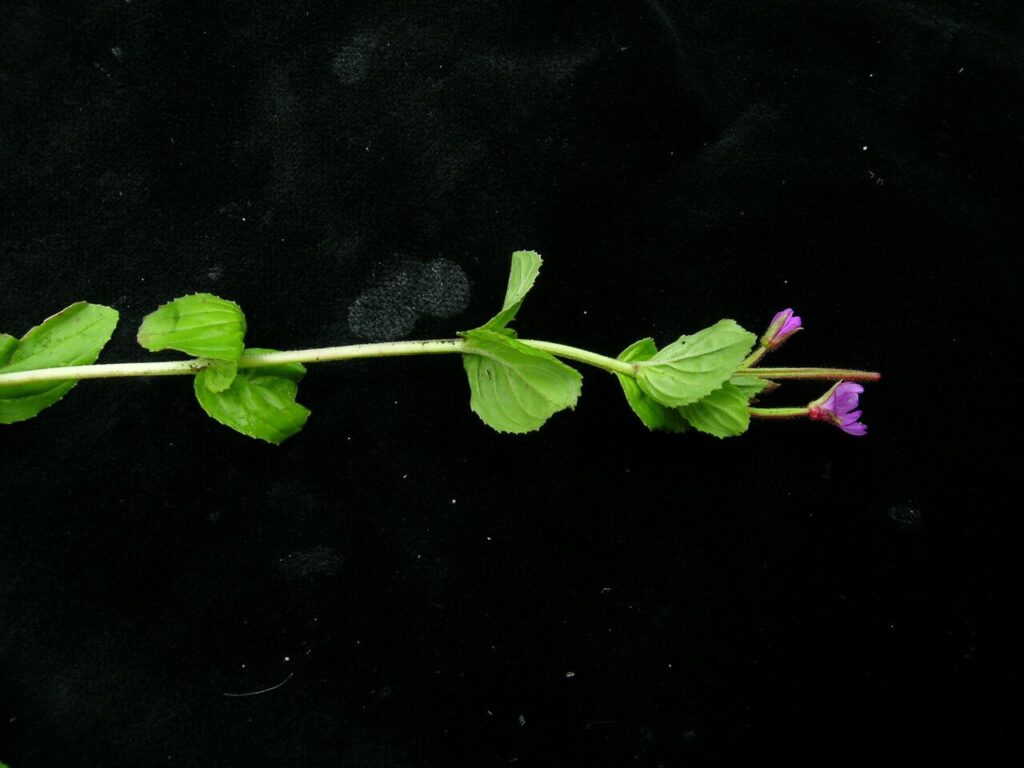
Conquering the Wild: Propagating the Mighty Willowherb (Epilobium amurense)
Ever heard of Epilobium amurense? You might know it better by its common name, Willowherb. This hardy, adaptable plant packs a punch, showcasing stunning pink blossoms in summer and boasting incredible resilience. But did you know you can easily cultivate this wonder from your own garden?
Willowherb is a breeze to propagate, whether you’re a seasoned gardener or just starting. Here’s a comprehensive guide to help you grow your own patch of these charming plants:
1. The Power of Seeds:
Willowherb seeds are tiny but incredibly potent. You can collect them directly from mature seed pods as they turn brown and dry. Once harvested, store them in cool, dry conditions until ready for planting.
Sowing Seeds:
- Timing: Spring is the ideal time to sow Willowherb seeds outdoors.
- Location: Choose a sunny spot with well-drained soil.
- Method: Scatter the seeds on the surface and lightly press them into the soil.
- Watering: Keep the soil consistently moist until germination, which typically takes 2-4 weeks.
2. The Flexibility of Cuttings:
Willowherb readily roots from cuttings, offering a quick and efficient way to expand your collection.
Taking Cuttings:
- Season: Spring or early summer is the best time for taking cuttings.
- Preparation: Use sharp shears or a knife to cut a 4-6 inch section of healthy stem with several leaves. Remove any leaves from the bottom 1-2 inches.
- Rooted: Dip the cut end into rooting hormone powder or gel. Plant the cuttings in a pot filled with a well-drained potting mix. Keep the cuttings moist and in a bright, indirect light location until roots develop.
3. Division: A Quick Multiplicator
For established plants, division is an effortless way to create new starts.
Dividing:
- Timing: Best done in early spring or late summer.
- Process: Gently dig up the mature plant and use a spade or sharp knife to separate the roots into multiple sections. Each section should have its own healthy root system and some foliage.
- Re-planting: Replant the divisions in a new location with well-drained soil and water generously.
Important Considerations:
- Space: When planting Willowherb, remember that this plant can spread quickly, so plan accordingly. Allow ample space for its growth.
- Maintenance: Willowherb is relatively low-maintenance. Just make sure to water regularly, especially during dry periods.
- Pruning: Regular pruning can help control the plant’s size and promote bushier growth.
Beyond Ordinary:
Beyond its stunning beauty, Willowherb has a surprising array of benefits. Its leaves and flowers are edible and can be used in salads or herbal teas. The plant also holds medicinal properties. Some cultures use it to treat skin conditions, while others use it to soothe digestive issues.
Willowherb, sometimes called “Fireweed”, is a symbol of resilience and adaptability. It thrives in challenging conditions and can bring a splash of color to any garden. With its simple propagation methods, this remarkable plant is within everyone’s reach. So, why not give it a try and experience the magic of Willowherb yourself?