
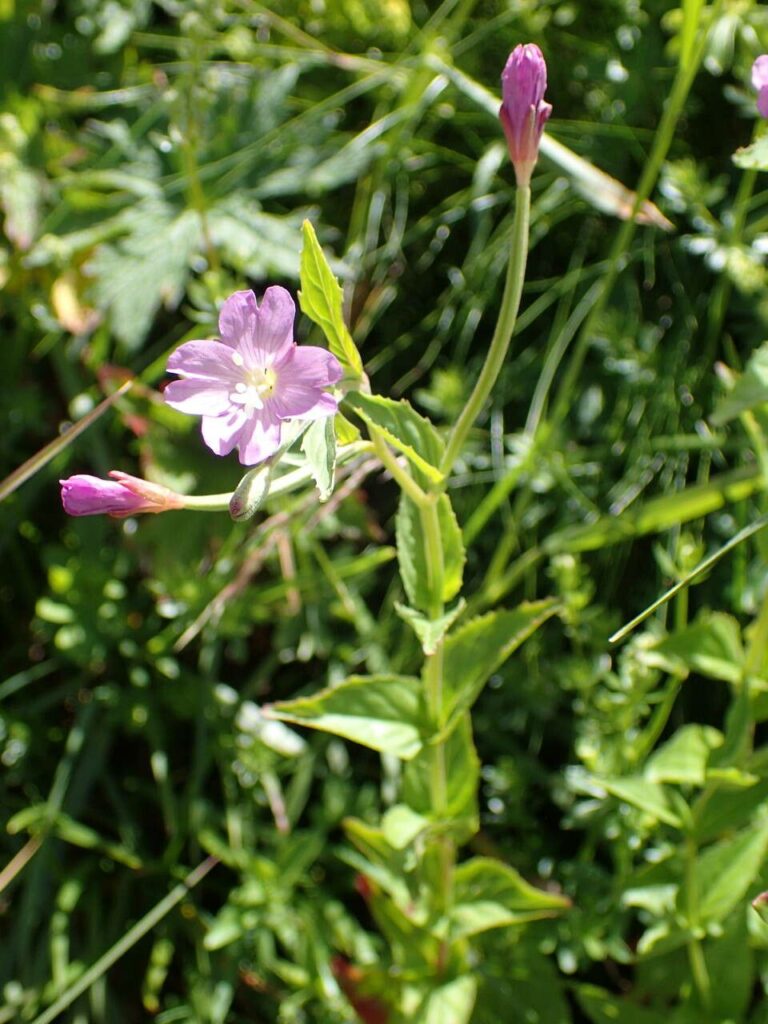
Taming the Rock Dweller: A Guide to Propagating Epilobium duriaei
The world of gardening is filled with fascinating challenges and rewarding triumphs. For those looking beyond the ordinary, cultivating less common species like Epilobium duriaei, also known as Duriaei’s Willowherb, offers a unique and fulfilling experience. This resilient plant, with its delicate pink flowers and preference for rocky habitats, might seem intimidating to propagate, but fear not! With a bit of patience and the right approach, you can welcome this alpine charmer into your garden.
Understanding the Plant:
Epilobium duriaei is a compact perennial hailing from the mountainous regions of Europe. It flourishes in well-drained soil and thrives in rocky crevices, scree beds, and even old walls. Understanding its natural habitat is key to successful propagation.
Propagation Methods:
- Timing is Key: Sow seeds in late winter or early spring, mimicking their natural cycle.
- Cold Stratification: Epilobium duriaei seeds benefit from a period of cold stratification to encourage germination. Mix seeds with moist vermiculite, seal in a plastic bag, and refrigerate for 4-6 weeks.
- Sowing: After stratification, surface sow the seeds on a well-draining seed starting mix. Keep the soil consistently moist but not waterlogged.
- Light: Place your seed trays in a bright location but out of direct sunlight.
- Patience is a Virtue: Germination can be slow and erratic, taking anywhere from a few weeks to a couple of months.
- Cuttings:
- The Right Time: Take basal cuttings in late spring or early summer when the plant is actively growing.
- Selecting Cuttings: Choose healthy, non-flowering shoots, and cut them about 3-4 inches long with a sharp, clean knife or scissors.
- Preparing the Cuttings: Remove the lower leaves from the cutting, leaving just a couple at the top. Dip the cut end in rooting hormone (optional but beneficial).
- Planting: Plant the cuttings in a well-draining mix, ensuring the leaf nodes (bumps where leaves were attached) are buried.
- Creating a Humid Environment: Cover the cuttings with a clear plastic bag or humidity dome to retain moisture and encourage rooting.
-
Rooting Time: Cuttings typically root within a few weeks. Once rooted, gradually acclimate them to normal conditions before transplanting.
Transplanting:
Once your seedlings or cuttings have developed a strong root system and are large enough to handle, it’s time to transplant.
- Soil is Crucial: Choose a well-draining potting mix or amend your garden soil with grit, sand, or perlite to ensure proper drainage.
- Location, Location, Location: Select a site with full sun to partial shade. Remember, this alpine plant enjoys well-drained soil and won’t tolerate waterlogged conditions.
- Watering: Water thoroughly after planting, allowing the excess water to drain away. Subsequently, water only when the soil is dry to the touch.
Caring for Your Epilobium duriaei:
This low-maintenance plant requires minimal care once established. Deadhead spent flowers to encourage further blooming and divide established clumps every few years to maintain vigor.
Propagating Epilobium duriaei may require a touch more attention to detail than common garden plants, but the reward is well worth the effort. Seeing this charming alpine dweller thrive in your garden, its delicate pink flowers gracing your rockery or wall, brings a unique satisfaction. So why not embark on this rewarding journey and welcome this resilient beauty into your own green haven?