
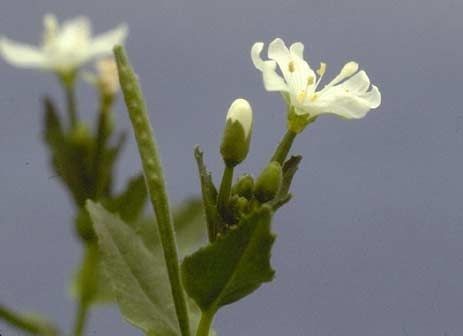
Unlocking the Secrets of Halliana Willowherb Propagation: A Guide to Growing More of This Stunning Native
Halliana willowherb (Epilobium hallianum), with its delicate pink blooms and graceful, willow-like leaves, brings a touch of natural beauty to any garden. Native to New Zealand, this resilient perennial thrives in moist environments and is a favorite among gardeners seeking low-maintenance yet visually appealing additions to their landscape. Whether you’re hoping to multiply your existing plants or share the joy of Halliana willowherb with fellow enthusiasts, understanding its propagation methods can unlock a world of possibilities.
Three Paths to Propagation Success
Halliana willowherb thankfully offers several routes to successful propagation, allowing you to choose the method that best suits your resources and personal preference:
1. Seed Starting: A Journey of Patience and Reward
While slightly more time-consuming, starting Halliana willowherb from seed provides a sense of accomplishment and an abundant supply of new plants. Here’s how:
- Timing is Key: Sow seeds in late winter or early spring, either indoors or in a cold frame.
- Creating the Ideal Bed: Use a well-draining seed starting mix and sprinkle the tiny seeds on the surface, pressing them gently.
- Light and Moisture are Essential: Ensure the soil remains consistently moist and provide bright, indirect light.
- Transplanting with Care: Once seedlings develop a few true leaves and the risk of frost has passed, harden them off gradually before transplanting outdoors.
2. Division: Sharing the Bounty of Established Plants
For a quicker and more straightforward approach, dividing established Halliana willowherb clumps is an excellent option:
- The Right Time to Divide: Divide in early spring or autumn when the plant is dormant or experiencing slower growth.
- Gentle Separation: Carefully dig up the entire clump and gently separate it into smaller sections, ensuring each division has a healthy root system.
- Replanting with Purpose: Replant the divisions at the same depth they were previously growing and water thoroughly.
3. Cuttings: Cloning Your Favorite Specimens
Basal cuttings offer a reliable method for replicating the characteristics of specific Halliana willowherb plants:
- Timing and Selection: Take cuttings in late spring or early summer from new growth points at the base of the plant.
- Preparing the Cuttings: Using clean, sharp shears, cut stems that are 4-6 inches long, removing the lower leaves to prevent rotting.
- Encouraging Root Development: Dip the cut ends in rooting hormone (optional) and plant them in a well-draining potting mix.
- Patience for Root Formation: Maintain consistent moisture and provide indirect sunlight. Cuttings typically root within a few weeks.
Nurturing New Life, No Matter the Method
Regardless of your chosen propagation method, providing optimal growing conditions will ensure the health and vigor of your new Halliana willowherb plants:
- Sun and Soil Preferences: Plant in a location that receives partial shade to full sun and boasts moist, well-drained soil.
- Watering Needs: While drought-tolerant once established, regular watering is crucial, especially during dry spells.
- Fertilizing for Optimal Growth: Apply a balanced, slow-release fertilizer in spring to support healthy growth throughout the season.
Propagating Halliana willowherb is a satisfying endeavor that allows you to expand your garden’s beauty while deepening your connection to this captivating plant. Whether you choose to sow, divide, or take cuttings, embracing these propagation techniques will undoubtedly lead to a thriving and flourishing collection of Halliana willowherb, bringing joy and a touch of wild elegance to your outdoor space for years to come.