
From Seed to Bloom: Discovering the Secrets of Propagating Epilobium nevadense
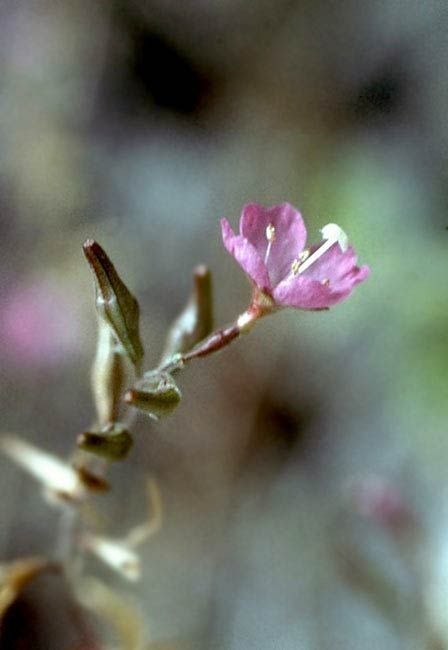
Epilobium nevadense, a captivating wildflower native to the Sierra Nevada, boasts delicate pink blooms and a graceful presence. If you’re a gardening enthusiast looking to add this unique beauty to your collection, you’ll be thrilled to know it’s relatively easy to propagate. But before you get your hands dirty, let’s delve into the world of propagation and discover the most effective methods for bringing this special species into your garden.
The Seedling Saga:
The most common method for propagating Epilobium nevadense is through seeds. These tiny treasures are typically dispersed by the wind, meaning they often sprout in unexpected locations within their natural habitat. Luckily, you can recreate this process at home with a little care:
- Collection: Gather mature seed pods from your Epilobium nevadense plants. They’ll often turn a brown or tan color when ready.
- Storage: Store the seeds in a cool, dry place until you’re ready for planting.
- Sowing: Sow the seeds directly into well-drained, slightly acidic soil. You can also start them indoors in flats filled with a seed-starting mix.
- Light and Temperature: Epilobium nevadense seeds germinate best in bright, indirect light and warm temperatures (around 65-75°F).
- Patience: Be patient, as germination can take a few weeks. Provide consistent moisture and avoid overwatering.
A Cut Above the Rest: Stem Cuttings
For those seeking a faster method, stem cuttings are a viable option. Here’s how to make it work:
- Selection: Choose a healthy stem tip from your Epilobium nevadense plant. Aim for a stem that’s at least 4 inches long and has several healthy leaves.
- Prep: Remove the bottom leaves and make a clean cut just below a node (where a leaf grows from the stem).
- Rooting: Dip the cut end of the stem in a rooting hormone powder and plant it in a pot filled with a rooting mix.
- Environment: Place the pot in a bright, warm location and keep the rooting mix consistently moist.
- Patience (Again!): Stem cuttings can take several weeks to root, so be patient and keep the mix moist.
Important Considerations:
- Site Selection: Epilobium nevadense thrives in well-drained, slightly acidic soil and prefers partial shade.
- Watering: Ensure the soil stays consistently moist, but avoid overwatering, as it can lead to root rot.
- Care: Once established, Epilobium nevadense is relatively low-maintenance, but regular watering and occasional fertilizing will help your plants flourish.
Enjoy the Beauty:
Propagating Epilobium nevadense is a rewarding experience. Whether you choose the seed method or prefer the speed of stem cuttings, the process is simple and fulfilling. As you watch your new plants develop and flourish, you’ll be amazed by their delicate beauty and the wonder of bringing this cherished wildflower home.