
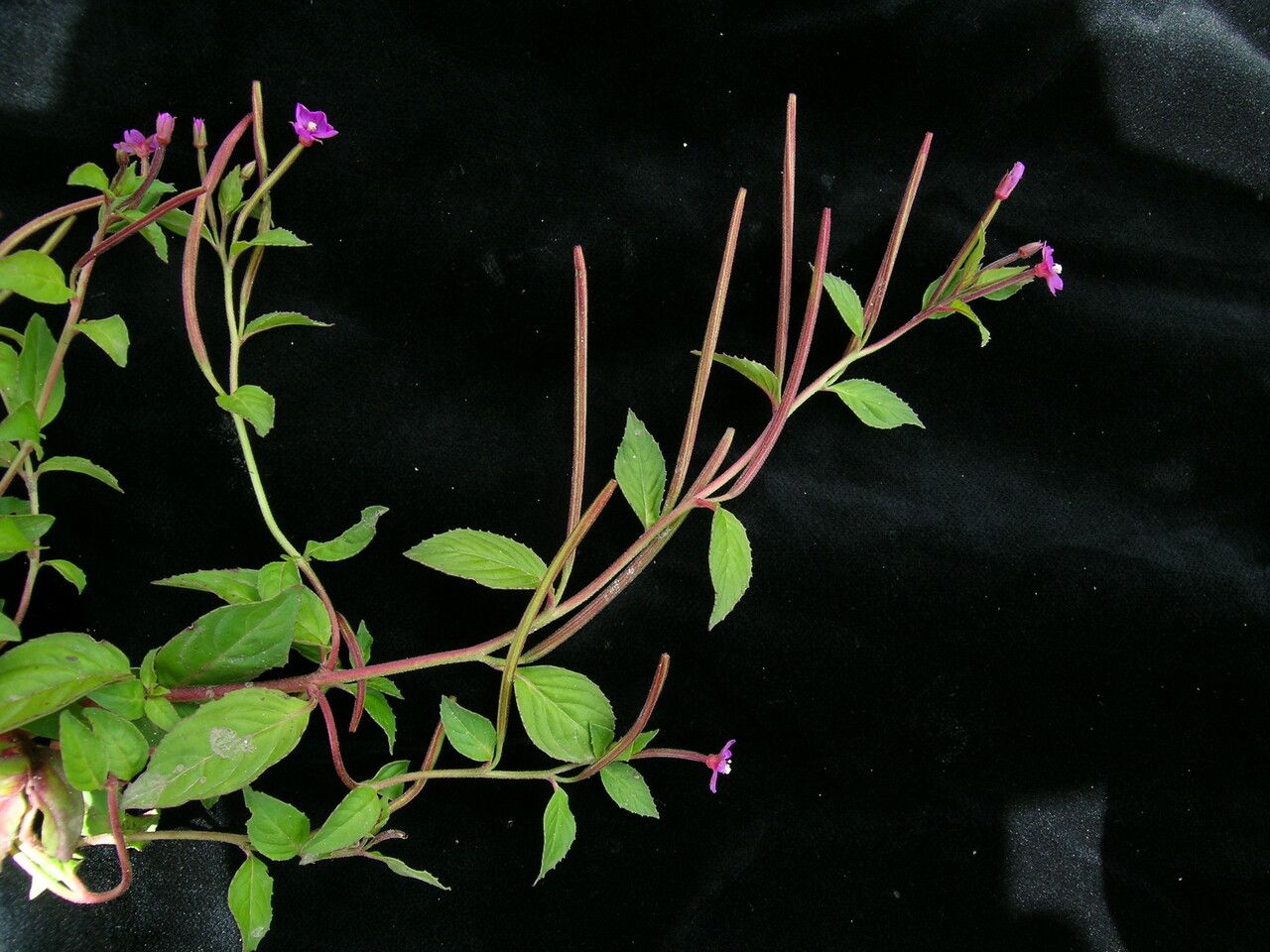
Unleashing the Himalayan Beauty: Propagating Epilobium Sikkimense
The Himalayan Mountains, famed for their breathtaking vistas, also harbor hidden botanical treasures. One such gem is Epilobium sikkimense, more commonly known as the Sikkim Willowherb. This captivating perennial captivates with its vibrant pink flowers, adding a splash of color to any garden fortunate enough to host it.
While its delicate beauty might intimidate novice gardeners, don’t fret! Propagating Epilobium sikkimense is a surprisingly accessible endeavor, even for beginners. Let’s delve into the different methods that unlock the potential of this Himalayan marvel.
Seed Starting: A Journey from Tiny Specks to Flourishing Plants
- The When and How: Spring is the ideal time for sowing Epilobium sikkimense seeds. Sprinkle them on the surface of well-draining seed compost, ensuring they receive ample light. Maintain a consistent temperature around 18-21°C (65-70°F), and keep the compost consistently moist but not waterlogged.
- Patience, Young Gardener: Germination typically takes 2-4 weeks. You’ll be rewarded with tiny seedlings that can be transplanted into individual pots once they develop a few true leaves.
Division: Multiplying Your Floral Delights
For established clumps of Epilobium sikkimense, division presents a straightforward method of propagation:
- Timing is Key: Early spring or autumn, when the plant is dormant, is the perfect time to divide.
- The Process: Carefully lift the entire clump from the ground. Using a sharp, clean knife or spade, divide the clump into smaller sections, ensuring each section has a good root system. Replant these divisions at the same depth as the original plant, water thoroughly, and watch them flourish!
Cuttings: Cloning Your Floral Masterpiece
Propagation through cuttings offers another fascinating route to expanding your Epilobium sikkimense collection.
- The Art of Selection: In late spring or early summer, choose healthy, non-flowering stems. Make a clean cut just below a leaf node.
- Creating the Clones: Remove the lower leaves from the cutting and dip the cut end in rooting hormone (optional, but recommended). Plant the cutting in a pot filled with a well-draining mix of peat moss and perlite.
- Nurturing the Roots: Maintain a humid environment by covering the pot with a plastic bag or using a propagator. Roots should develop in 4-6 weeks.
Essential Care for Successful Propagation
Regardless of the method you choose, providing the right environment for your Epilobium sikkimense is crucial:
- Light: The plant thrives in partial shade to full sun, but dappled shade is ideal, especially in hotter climates.
- Soil: Opt for moist, well-drained soil rich in organic matter.
- Watering: Maintain consistent moisture, especially during drier periods, but avoid overwatering, which can lead to root rot.
Enjoying the Fruits (or rather, Flowers) of Your Labor
With its delicate beauty and ease of propagation, Epilobium sikkimense is a rewarding addition to any garden. Whether you choose to sow seeds, divide existing plants, or take cuttings, your efforts will be met with an abundance of enchanting pink blooms. So go ahead, unleash your inner gardener, and let the Sikkim Willowherb grace your outdoor haven with its Himalayan charm.