
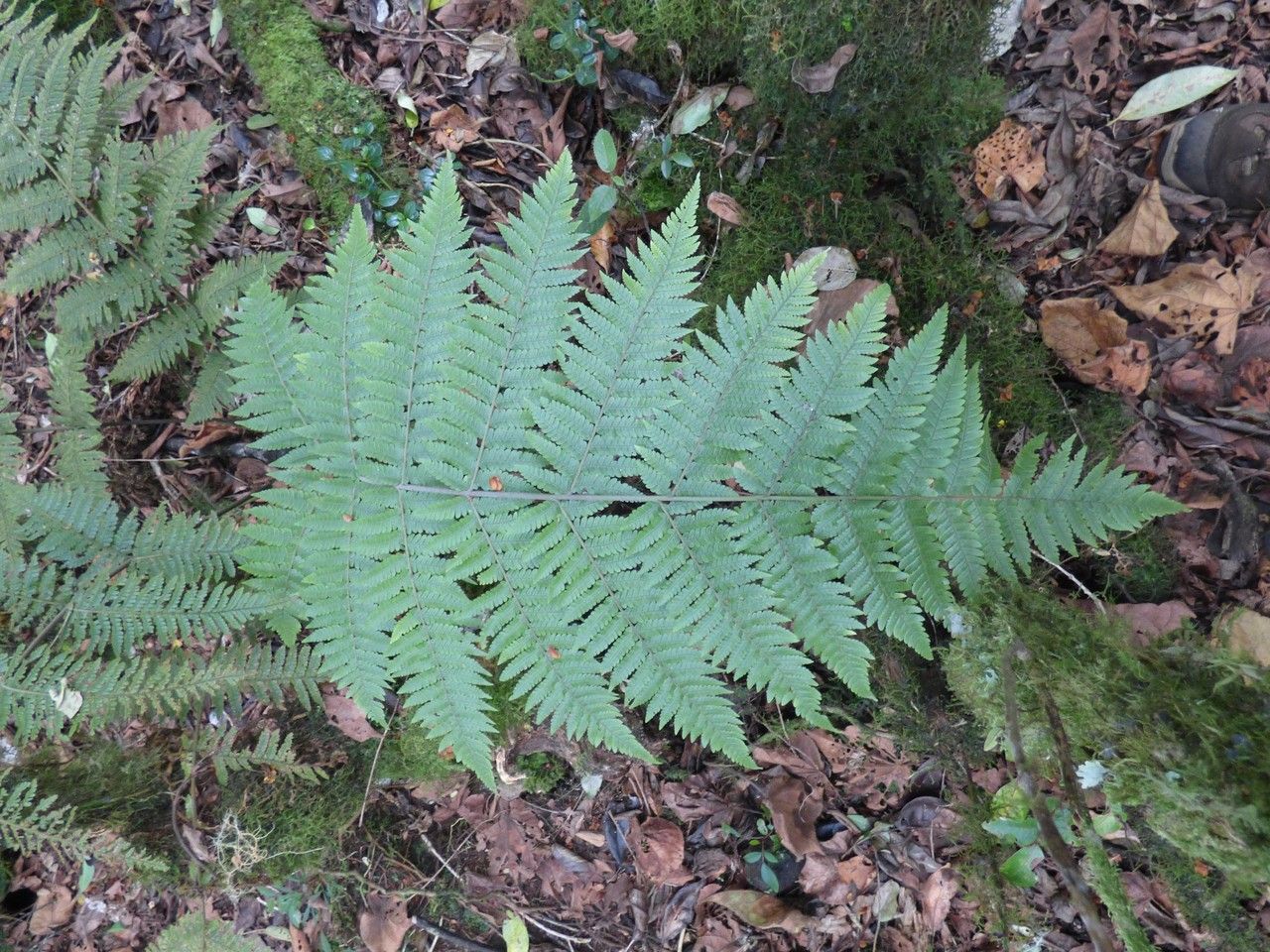
Unlocking the Secrets of Megalastrum lanatum Propagation: A Fern Lover’s Guide
The Megalastrum lanatum, known for its captivating fronds and air-purifying qualities, is a delightful addition to any indoor or shaded garden. While readily available in nurseries, propagating your own Megalastrum lanatum, also known as the Scaly Leatherfern, can be an immensely rewarding experience for plant enthusiasts.
However, unlike many houseplants propagated through cuttings, this fern requires a slightly more intricate approach. Let’s delve into the fascinating world of fern propagation and explore the methods that yield the best results for Megalastrum lanatum.
Understanding the Lifecycle:
Before embarking on your propagation journey, it’s essential to understand the fern’s life cycle. Ferns don’t produce flowers or seeds like typical flowering plants. Instead, they reproduce through spores, microscopic structures found on the underside of their fronds.
The Spore Route:
- Spore Collection: Look for mature, darkened sori (clusters of spore cases) on the underside of healthy fronds. Carefully snip the frond and place it in a paper bag to dry for a few days. The spores will naturally release into the bag.
- Spore Sowing: Prepare a sterile seed starting mix, moisten it evenly, and spread it in a shallow tray. Gently sprinkle the collected spores onto the surface, avoiding overcrowding. Mist lightly with water.
- Creating the Ideal Environment: Cover the tray with a clear lid or plastic wrap to maintain humidity. Place it in a warm, indirect light location, away from direct sunlight.
- Patience is Key: Germination can take several weeks to months. Regularly mist the surface to keep the environment humid. Once you see small, heart-shaped structures (gametophytes) emerge, your patience has been rewarded!
- Transplanting: When the gametophytes develop further and produce tiny fernlets, carefully transplant them into individual pots filled with a well-draining potting mix. Keep the young ferns consistently moist and provide them with indirect light.
Division for a Faster Start:
While spore propagation offers a rewarding experience, it can be time-consuming. If you’re looking for a faster method, division is an excellent alternative.
- Timing is Everything: The ideal time for division is spring, just as new growth begins.
- Divide and Conquer: Gently remove the fern from its pot and carefully tease apart the root ball. Each division should have a healthy set of roots and fronds.
- Potting the Divisions: Plant each separated section into individual pots filled with a well-draining potting mix. Water thoroughly and place them in a location with indirect light.
Propagating Megalastrum lanatum: Tips for Success
- Sterilization Matters: To prevent fungal contamination, sterilize your tools and containers with rubbing alcohol before use.
- Humidity is Crucial: Maintaining a humid environment is essential for both spore germination and successful division.
- Bright, Indirect Light: While ferns thrive in shady spots, they need bright, indirect light for optimal growth.
- Be Patient and Observant: Propagation takes time. Be patient, observe your ferns closely, and provide the necessary care.
Propagating Megalastrum lanatum, whether through spores or division, is an enriching experience that connects you deeper to the fascinating world of ferns. With patience, care, and the right technique, you can successfully multiply your collection and enjoy the lush beauty of these ancient wonders in your own home.