
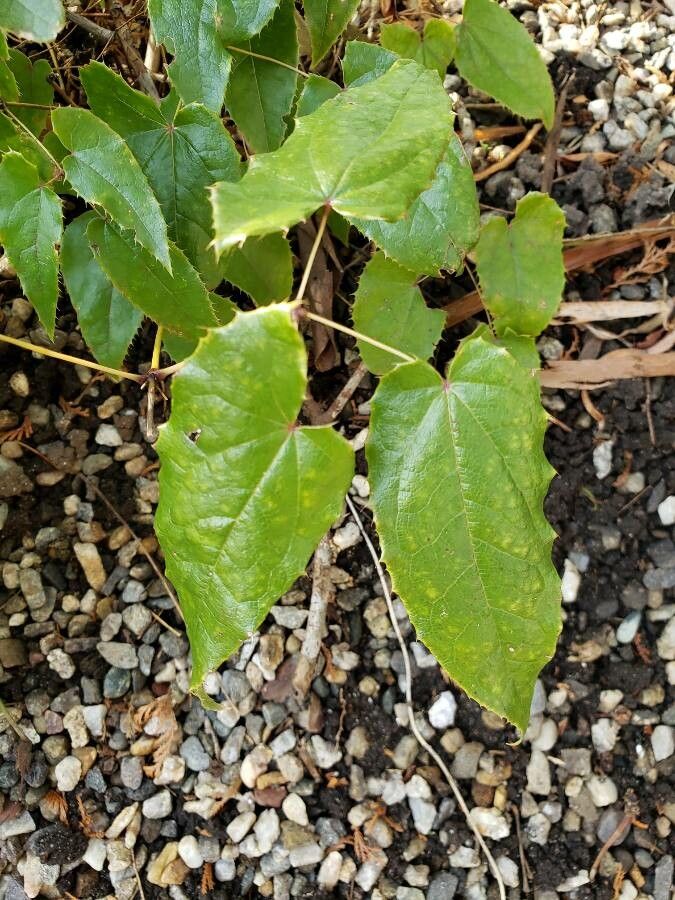
Unveiling the Secrets: Propagating Epimedium pubescens for a Lush, Enchanted Garden
Epimedium pubescens, with its delicate flowers and captivating foliage, adds a touch of magic to any shade garden. But did you know that multiplying this enchanting plant is an achievable feat even for non-green thumbs? Let’s delve into the world of Epimedium pubescens propagation and unlock the secrets to expanding its presence in your outdoor haven.
Two Paths to Propagation:
While seeds offer a path to propagation, Epimedium pubescens responds best to division, a method offering quicker results and ensuring you replicate the parent plant’s unique characteristics.
1. Division: The Gift that Keeps on Giving
The optimal time for division is early spring, just as new growth begins to emerge. Here’s a step-by-step guide:
- Prepare the plant: Water the Epimedium pubescens a day or two before division to minimize stress.
- Gentle Excavation: Using a garden fork, carefully lift the entire clump from the ground, taking care not to damage the roots.
- Divide and Conquer: Examine the clump and identify natural divisions. Using clean, sharp pruning shears or a knife, carefully separate the rhizomes, ensuring each division has a healthy amount of roots and shoots.
- Replant with Care: Choose a well-drained location with partial to full shade. Amend the soil with compost for optimal drainage and fertility. Plant the divisions at the same depth they were previously growing, spacing them about 12-18 inches apart.
- Water and Patience: Water thoroughly after planting and maintain consistent moisture as the divisions establish themselves.
2. Seed Starting: A Journey for the Patient Gardener
Propagating from seed requires more time and patience, but it offers a rewarding experience:
- Seed Collection: Collect seeds in late summer or early fall as the seed pods ripen and turn brown.
- Breaking Dormancy: Epimedium pubescens seeds require a period of cold stratification to germinate. Sow seeds in a seed tray filled with a well-draining seed starting mix. Moisten the mix and place the tray in a refrigerator (around 40 degrees Fahrenheit) for 4-6 weeks.
- Time to Sprout: After stratification, move the seed tray to a warm, bright location, and keep the soil consistently moist. Germination can be slow and erratic, taking anywhere from a few weeks to several months.
- Transplanting Time: Once seedlings are large enough to handle, transplant them into individual pots and continue nurturing them until they are robust enough for outdoor planting.
Tips for Success:
- Timing is Key: Dividing in early spring or fall when temperatures are cooler prevents stress on the plants.
- Sharp and Clean Tools: Using clean, sharp tools minimizes the risk of disease transmission and promotes clean cuts for optimal healing.
- Patience is a Virtue: Remember that while division brings quicker blooms, both methods require patience and attentive care for successful establishment.
Propagating Epimedium pubescens is a rewarding endeavor for any gardener. By mastering these techniques, you can effortlessly expand your collection, creating an enchanting tapestry of foliage and delicate blooms that will delight for years to come.