
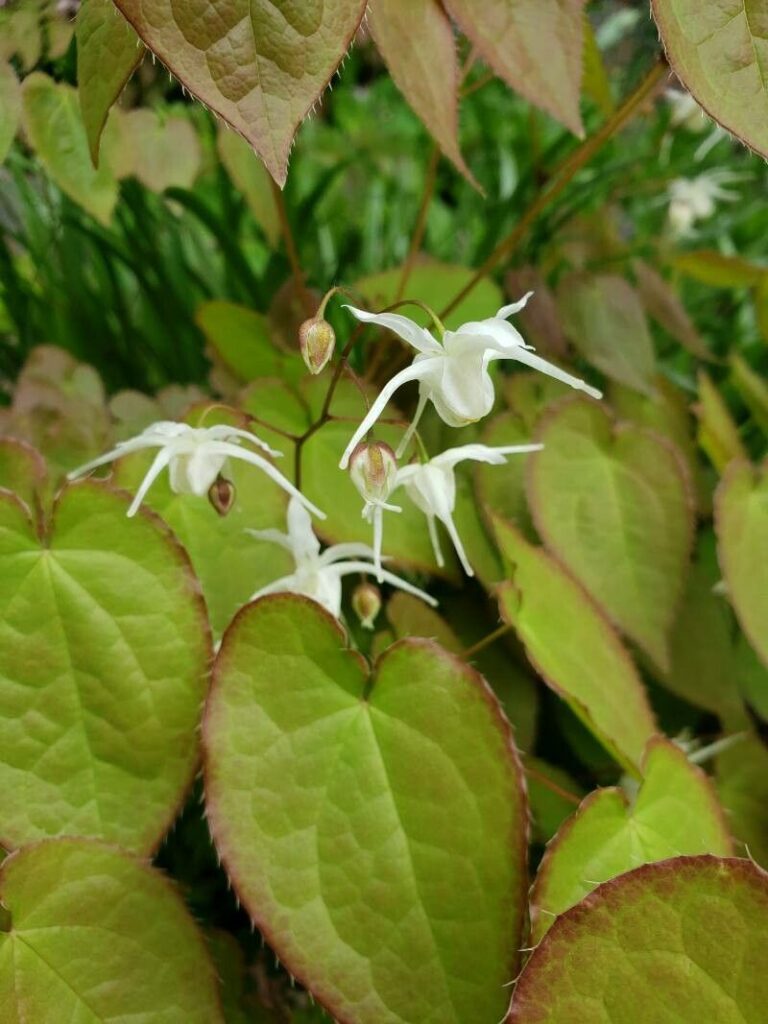
Unlocking the Secrets of Epimedium Sempervirens: A Guide to Successful Propagation
Epimedium sempervirens, commonly known as barrenwort or bishop’s hat, adds a touch of elegance to any garden with its delicate, heart-shaped leaves and charming, dangling flowers. But did you know that you can easily expand your collection of these enchanting plants through propagation?
This guide delves into the world of Epimedium sempervirens propagation, revealing the methods you can use to create new plants and share the beauty of this species with friends and fellow plant enthusiasts.
Division: The Simple and Successful Method:
For Epimedium sempervirens, division is the most reliable and user-friendly propagation method. This technique takes advantage of the plant’s naturally clumping habit, allowing you to separate healthy sections and cultivate them into independent plants.
Here’s how to tackle division:
- Timing is Key: Spring or fall, after flowering is complete, are the ideal times for division. The plant is actively growing in spring, while fall allows it to establish itself before winter.
- Careful Extraction: Gently dig around the base of your chosen Epimedium clump. Use a sharp spade or garden fork to gently lift the plant from the ground.
- Separating the Clump: With your hands or a sharp knife, divide the clump into smaller sections, ensuring each section has healthy roots and several growth points.
- Replanting and Care: Plant the divisions in well-prepped soil, ensuring they are spaced according to the plant’s mature size. Water them thoroughly and provide shade during the hottest part of the day, especially in dry climates.
Propagation from Seed: A Time-Testing Adventure:
Propagating Epimedium sempervirens from seed allows you to explore a wider variety of cultivars, but it demands more patience and time.
- Harvesting the Seeds: Once the flowers fade, seed pods will emerge, eventually turning brown and splitting open. Collect these pods before they fully disperse their seeds.
- Sowing and Germination: Epimedium seeds require a period of cold stratification (imitation of winter conditions) to germinate. Sow them in a tray filled with a seed starting mix and cover them lightly. Place the tray in a cool, dark location (around 35-40 degrees Fahrenheit) for 6-8 weeks.
- Transplanting and Growth: After stratification, move the tray into a bright, cool location (around 60-65 degrees Fahrenheit) and keep the soil consistently moist. Once the seedlings emerge, thin them out to give them space to grow.
Additional Tips for Success:
- Understanding the Requirements: Epimedium sempervirens thrives in dappled shade and well-drained soil.
- Patience and Observation: Keep a keen eye on your newly propagated plants and provide necessary care, including watering, weeding, and protection from extreme weather events.
- Celebrate Your Progress: As you witness your new Epimedium plants flourishing in your garden, you’ll reap the satisfaction of having brought these captivating plants to life through propagation.
By embracing the methods detailed above, you can expand your Epimedium sempervirens collection, share these plants with others, and experience the joy of nurturing and watching them flourish.