
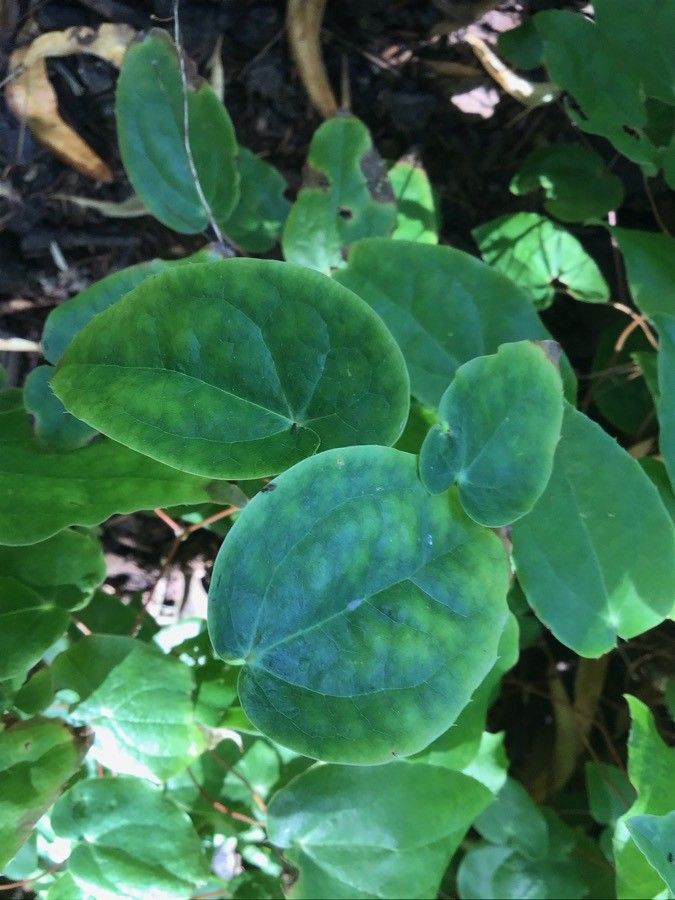
Unlocking the Beauty of Epimedium Trifoliolatobinatum: A Guide to Propagation
Epimedium trifoliolatobinatum, also known as the “three-leaved barrenwort” or the “fairy wings” plant, is a captivating groundcover with delicate, intricately patterned foliage and stunning, often vibrant, blossoms. But what if you could bring the magic of this enchanting plant to your own garden?
This guide will walk you through the most successful methods of propagating Epimedium trifoliolatobinatum, allowing you to cultivate a flourishing patch of these charming plants.
Understanding Propagation Basics
Propagation simply means creating new plants from existing ones. For Epimedium trifoliolatobinatum, we’ll focus on two key methods:
1. Division: This technique involves separating larger, established clumps into smaller, independent plants.
2. Seed Propagation: This method requires patience but can be a rewarding experience.
Division: The Quickest Path to New Plants
Division is the most straightforward method for propagating Epimedium trifoliolatobinatum. Follow these steps:
- Choose the Right Time: The best time for division is in early spring or late summer/early fall, before or after the main growth period.
- Prepare the Parent Plant: Using a sharp, sterilized knife or spade, gently dig up the established plant.
- Divide the Clump: Separate the root ball into smaller clusters, ensuring each section includes healthy roots and growing points.
- Replant: Pot or plant these new divisions in a suitable location, providing adequate spacing for growth.
Tips for Division:
- Sharp Tools: Use clean, sharp instruments to make clean cuts, minimizing stress on the plants.
- Proper Watering: Immediately after division, thoroughly water the new plants to settle them into their new environment.
- Choose Healthy Partitions: Ensure each division contains at least one healthy bud or growing point for successful establishment.
Seed Propagation: A Journey of Patience
Seed propagation offers an opportunity to grow a large quantity of new plants, but it demands patience and dedicated care.
- Harvesting Seed: Collect ripe seeds from the plant’s seedpods in late summer or early fall.
- Seed Preparation: Clean the seeds and allow them to dry thoroughly.
- Sowing: Sow the seeds in a seed tray or directly into the garden bed, covering them lightly with soil.
- Germination: Epimedium seeds can take a long time to germinate, often requiring cold stratification (exposure to cold temperatures). Consider storing the seeds in the refrigerator for several weeks before sowing.
- Care for Seedlings: Thin out seedlings as needed to provide ample space for healthy growth.
Tips for Seed Propagation:
- Fresh Seeds: Use fresh seeds for optimal germination rates.
- Patience is Key: Be patient as Epimedium seeds can take several months or even a year to germinate.
- Light Conditions: Germination requires indirect sunlight.
Conclusion
Propagating Epimedium trifoliolatobinatum allows you to expand your garden with more of this captivating plant. Whether you choose the quick approach of division or the rewarding journey of seed propagation, you’ll be rewarded with a mesmerizing display of delicate foliage and vibrant flowers. So, grab your gardening gloves, embrace the process, and let the enchanting beauty of Epimedium trifoliolatobinatum flourish in your own garden!