
Unlocking the Secrets of the Dark Red Helleborine: Propagating Epipactis atrorubens
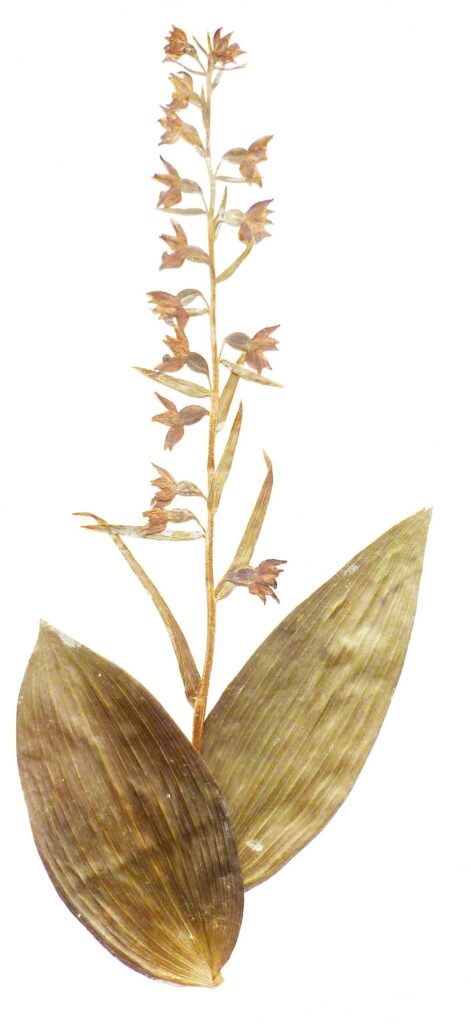
The Dark Red Helleborine (Epipactis atrorubens), with its elegant spire of deep pink to almost-black blooms, is a sight to behold. This captivating orchid, native to Europe and parts of Asia, adds a touch of wild beauty to gardens lucky enough to host it. But how do you go about propagating this fascinating species?
Unlike many garden staples, Epipactis atrorubens isn’t easily multiplied through cuttings or divisions. This orchid is a bit more enigmatic, relying on specific strategies for its continued survival. Let’s delve into the fascinating world of Dark Red Helleborine propagation:
1. The Power of Patience: Seed Propagation
The most common, albeit lengthy, method of propagating Epipactis atrorubens is through seeds. But be warned, orchid seeds are notoriously tiny and lack the food reserves found in most other seeds. They require a symbiotic relationship with specific mycorrhizal fungi to germinate and grow.
Here’s how to try your hand at seed propagation:
- Obtain Seeds: Collect seed pods from a mature plant after flowering, ensuring they are dry and beginning to split.
- Prepare a Growing Medium: Use a well-draining, sterile mix specifically designed for orchids or create your own using a combination of fine bark, perlite, and vermiculite.
- Sowing the Seeds: Scatter the dust-like seeds over the surface of the moistened medium. Don’t bury them!
- Provide the Right Environment: Cover the pot with a clear plastic bag or humidity dome to maintain high humidity. Place it in a warm, shaded location out of direct sunlight.
- Patience is Key: Germination can take several months, even years. Be patient and maintain consistent moisture and humidity.
2. Division: A Risky Endeavor
While possible, dividing Epipactis atrorubens is generally not recommended. These orchids have fleshy roots that are easily damaged, and disturbing established plants can hinder their growth or even lead to their demise. If you must divide, do so with utmost care and during the early spring before new growth emerges.
3. Encouraging Natural Spread:
The good news is that under the right conditions, Epipactis atrorubens can spread naturally in your garden. This happens through two main methods:
- Underground Rhizomes: The plants produce rhizomes, which are underground stems that can sprout new shoots a short distance from the parent plant.
- Self-Sowing: If you’re lucky, some seeds might find their way into the soil and germinate naturally, although this requires the presence of the appropriate mycorrhizal fungi.
Creating the Ideal Environment:
To increase your chances of successful propagation – and to simply keep your Dark Red Helleborine happy – replicate its preferred growing conditions as closely as possible:
- Light: Dappled shade or morning sun with afternoon shade.
- Soil: Well-draining, humus-rich soil that is slightly acidic to neutral.
- Moisture: Keep the soil consistently moist but not waterlogged.
- Companions: Plant with other shade-loving perennials that won’t outcompete their root systems.
Propagating Epipactis atrorubens can be a rewarding challenge for the patient gardener. While success isn’t always guaranteed, understanding the plant’s unique needs and employing the right techniques can increase your chances of enjoying these stunning orchids for years to come.