
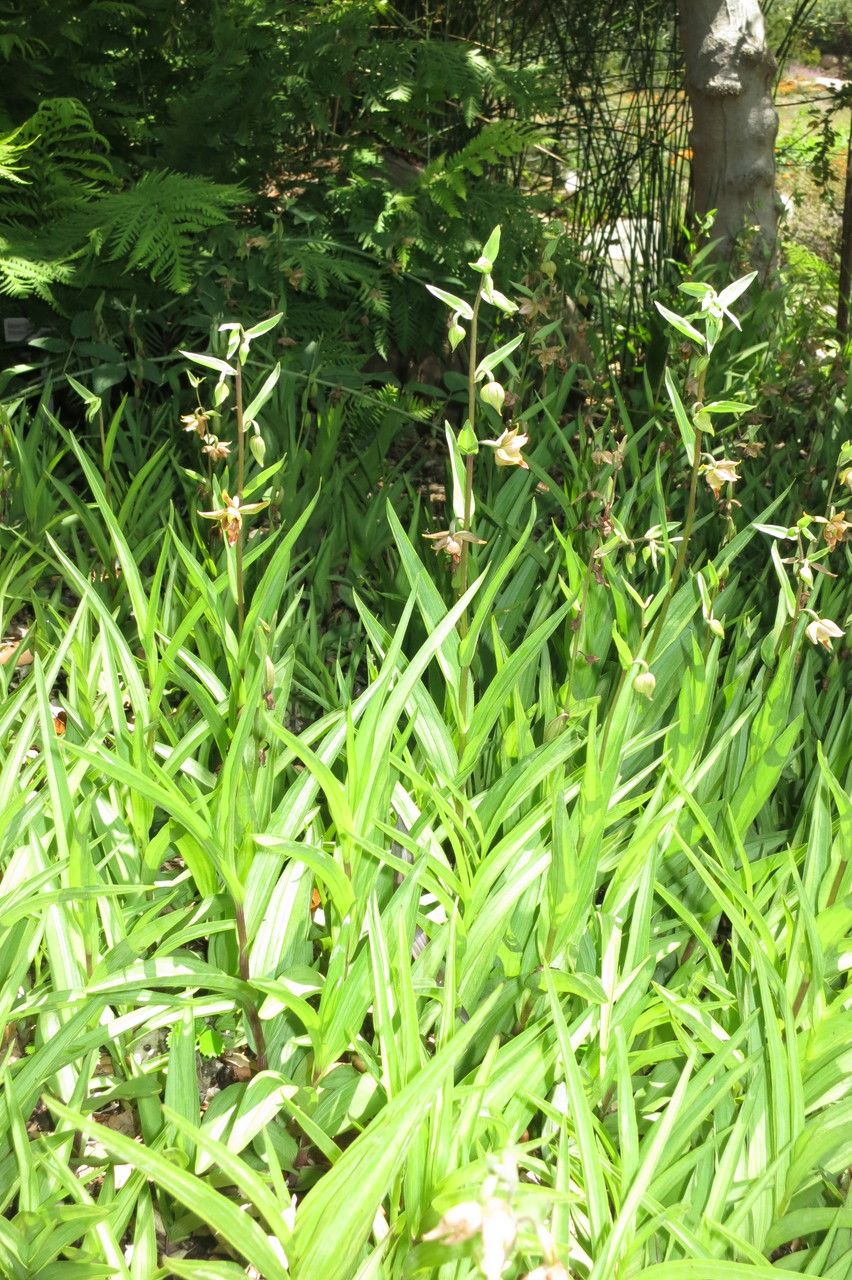
Unleash the Giant Within: Propagating the Majestic Epipactis gigantea
The “Stream Orchid” or Epipactis gigantea, is no shrinking violet (or orchid, for that matter!). This robust and stunning native orchid boasts tall stalks of intricate, greenish-purple blooms that grace wetlands and moist meadows across North America. While admiring their wild beauty is a joy, why not invite this gentle giant into your own garden? Propagating Epipactis gigantea might sound daunting, but with a little patience and the right know-how, you can cultivate a thriving colony of these fascinating orchids.
Two Paths to Propagation:
Epipactis gigantea can be propagated through two main methods: seed propagation and division. Each technique comes with its own set of advantages and challenges.
1. Seed Propagation: A Test of Patience and Precision
Orchid seeds are notoriously tiny and lack the energy reserves found in typical seeds. This means germinating Epipactis gigantea from seed requires specific conditions and a symbiotic relationship with a specific mycorrhizal fungus.
- The Symbiotic Secret: Mycorrhizal fungi provide essential nutrients to orchid seeds, enabling them to germinate and grow.
- Specialized Medium: You’ll need a sterile, nutrient-poor medium specifically designed for orchids.
- Patience is Key: Seed germination can take anywhere from several months to a year or more.
2. Division: Sharing the Bounty
For a quicker and more beginner-friendly approach, division is your best bet. Epipactis gigantea grows from fleshy rhizomes, underground stems that produce roots and shoots. Dividing these rhizomes allows you to create new, independent plants.
- Timing is Everything: The ideal time for division is in early spring before the growing season kicks off.
- Sharp and Clean: Use a sterilized, sharp knife or pair of shears to divide the rhizome, ensuring each division has a healthy amount of roots and at least one growth point.
- Potting Up: Plant the divisions in well-draining soil specifically formulated for orchids, being careful not to bury the rhizome too deeply.
Nurturing Your New Recruits:
Whether you’ve ventured into the world of seed propagation or opted for the simpler division method, providing the right environment is key to success.
- Light: Epipactis gigantea thrives in dappled shade or morning sun with afternoon shade.
- Water: Consistent moisture is crucial. Aim for a consistently damp, but not soggy, environment.
- Patience, Again: It may take a year or two for divided plants to reach flowering size.
The Rewards of Persistence:
Propagating Epipactis gigantea might require a touch more dedication compared to typical garden perennials. However, the rewards are well worth the effort. Imagine your garden graced with these majestic orchids, their intricate blooms swaying gently in the breeze, a testament to your patience and horticultural prowess. With a little care and dedication, you can contribute to the preservation of these beautiful native orchids and enjoy their splendor for years to come.