
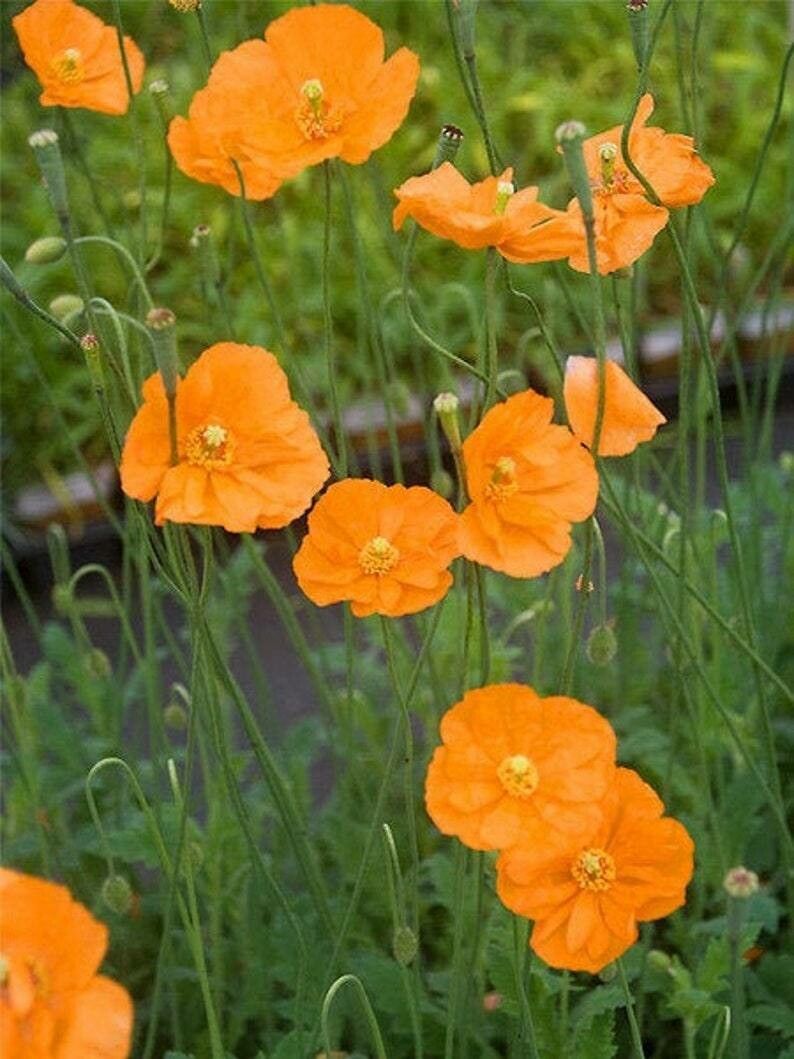
Waking Up the Spanish Poppy: A Guide to Propagating Papaver rupifragum
The fiery orange blooms of the Spanish Poppy (Papaver rupifragum) are a welcome burst of color, adding a touch of wildness and charm to any garden. Unlike its more common cousin, the annual poppy, this species is a perennial, gracing your garden year after year with minimal fuss. Want to learn the secret to multiplying these beauties? Let’s explore the fascinating world of propagating Papaver rupifragum!
Seeds: Sow the Seeds of Joy
The most common and straightforward method to propagate Spanish Poppies is through seeds. These tiny powerhouses hold the potential for a whole new generation of vibrant blooms.
*Timing is Key: The best time to sow your seeds is in the fall or early spring. This allows the seeds to experience the natural chilling period they need to germinate successfully.
*Sowing the Seeds:
- Prepare your seedbed: Choose a location with well-draining soil and full sun to partial shade.
- Sow the seeds: Scatter the seeds thinly over the soil surface, pressing them lightly. Papaver rupifragum seeds need light to germinate, so avoid burying them too deep.
- Water gently: Keep the soil consistently moist but not waterlogged.
With a bit of patience, you’ll be rewarded with a vibrant carpet of seedlings in a few weeks.
Divisions: Sharing the Bounty
Another effective way to propagate Spanish Poppies is through division. This method is ideal for mature plants and ensures you get a replica of the parent plant, complete with its blooming characteristics.
*The Right Time for Division: Early spring, just as new growth emerges, is the perfect time to divide your Papaver rupifragum.
*Dividing Your Poppy:
- Carefully lift the plant: Using a garden fork, loosen the soil around the plant and gently lift it, taking care not to damage the roots.
- Divide the clump: Gently tease apart the plant into smaller sections, ensuring each division has a good amount of roots and shoots attached.
- Replanting: Choose a suitable location and replant the divisions at the same depth they were originally growing. Water them in well.
Division is an excellent way to rejuvenate older plants and ensure their continued vigor.
Caring for Your Poppy Progeny
Whether you choose to propagate by seed or division, providing the right care for your new Papaver rupifragum is essential for success. Here are some tips:
- Light: Plant your poppies in a location that receives at least six hours of sunlight daily.
- Soil: Well-draining soil is crucial to prevent root rot. Amend heavy clay soil with compost or grit to improve drainage.
- Watering: While established plants are relatively drought tolerant, regular watering during the first year is essential for healthy growth. Allow the soil to dry slightly between waterings.
- Deadheading: Removing spent flowers encourages more blooms and prevents self-seeding, which can be prolific in some gardens.
Conclusion:
Propagating Papaver rupifragum is a rewarding experience, allowing you to multiply these charming wildflowers and share their beauty with others. By following these simple guidelines and embracing the plant’s natural resilience, you’ll be well on your way to a garden brimming with the vibrant hues of Spanish Poppies year after year.