
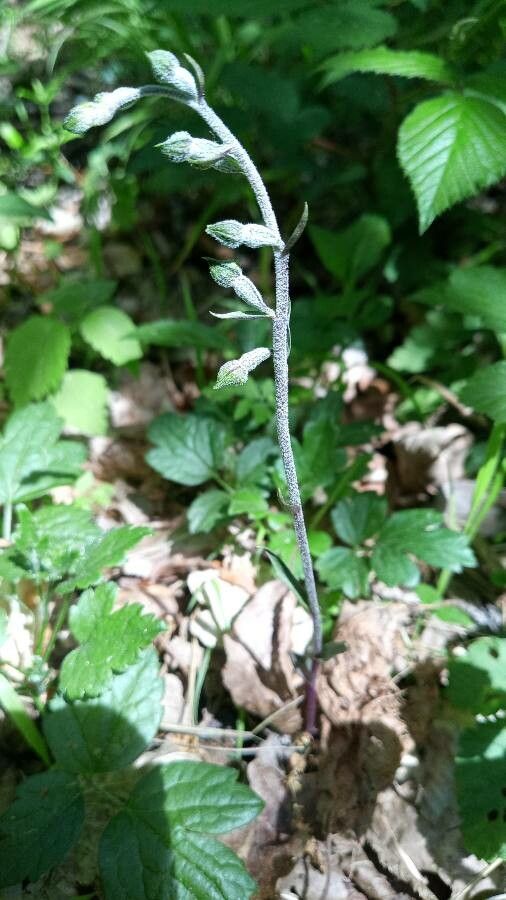
Unlocking the Secrets: Propagating the Elusive Green-flowered Helleborine (Epipactis microphylla)
The Green-flowered Helleborine, scientifically known as Epipactis microphylla, is a captivating orchid native to Europe and parts of Asia. This delicate beauty, with its subtle greenish-white blooms and preference for shady woodland habitats, holds a certain mystique for plant enthusiasts. While admiring it in the wild is a treat, cultivating this shy orchid at home presents a unique challenge.
Unlike many garden-variety plants, propagating Epipactis microphylla isn’t as simple as taking cuttings or sowing seeds. This elusive orchid relies on a fascinating and complex symbiotic relationship with specific mycorrhizal fungi for successful reproduction.
Understanding the Symbiosis:
At the heart of propagating Green-flowered Helleborine lies an intricate dance between the orchid and its fungal partner. The orchid’s tiny seeds lack the necessary nutrients to germinate on their own. Instead, they rely on the thread-like filaments of compatible mycorrhizal fungi to penetrate their cells and provide them with essential sugars and nutrients. In return, the orchid, through photosynthesis, supplies the fungi with carbohydrates.
Propagation Challenges & Approaches:
This complex symbiosis presents both a challenge and an opportunity for propagation:
1. Seed Propagation (In-situ):
- The Challenge: Successfully replicating the specific fungal environment required by the seeds in a controlled setting is incredibly difficult.
- The Approach: The most viable method involves careful relocation of seed capsules to suitable habitats near established Green-flowered Helleborine populations. This gives the seeds the best chance of encountering compatible fungi. However, this method requires meticulous research and adherence to ethical considerations for wild plant populations.
2. Division (Limited Success):
- The Challenge: While some terrestrial orchids can be propagated through division, success with Epipactis microphylla is limited due to its delicate root system and its reliance on the existing fungal network.
- The Approach: If attempting division, extreme care is paramount. Choose mature, healthy plants and ensure a substantial amount of the original soil and root system remains intact during the process.
3. In-vitro Propagation (Future Potential):
- The Challenge: Isolating and cultivating the specific mycorrhizal fungi compatible with Green-flowered Helleborine is a complex process requiring specialized laboratory equipment and expertise.
- The Potential: This method holds immense promise for future conservation and cultivation efforts. Successfully cultivating the orchid and its fungal partners in a controlled lab environment could provide a sustainable source of plants.
Cultivating Patience & Appreciation:
Propagating Green-flowered Helleborine is not for the faint of heart! It requires patience, dedication, and a deep understanding of this unique orchid’s ecological needs. While you might not be transplanting seedlings into your backyard anytime soon, understanding the intricate symbiotic relationship between the orchid and its fungal partners fosters a deeper appreciation for the wonders of the natural world. By supporting ethical conservation efforts and responsible research, we can contribute to the preservation of this remarkable and delicate orchid species.