
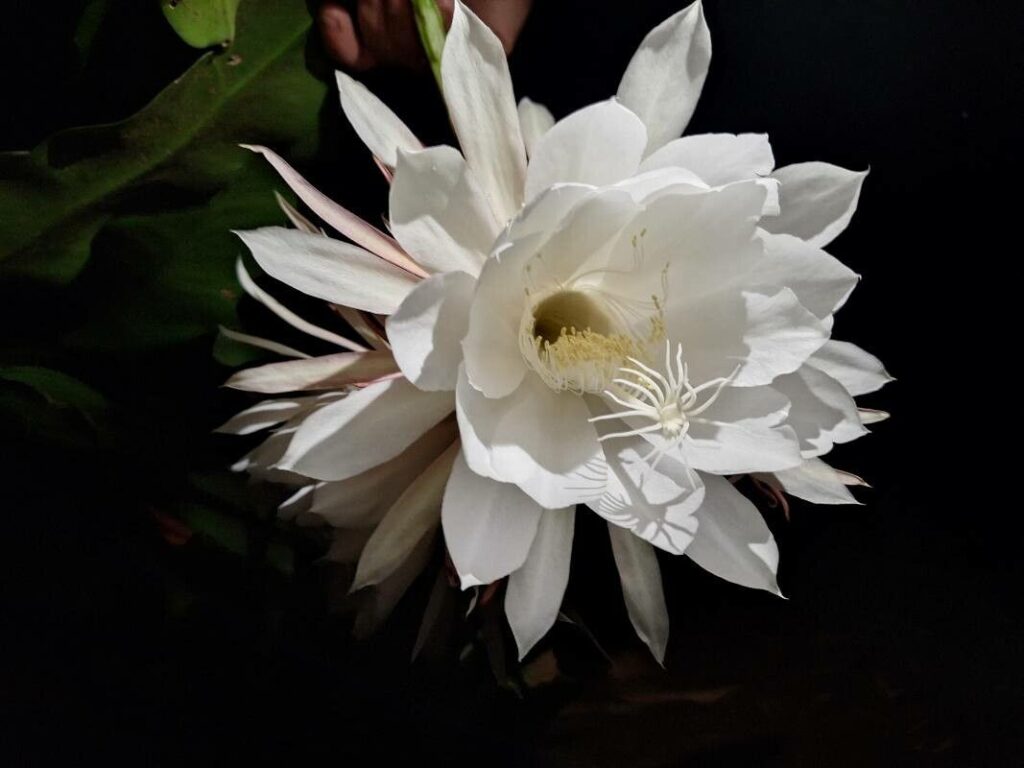
From Snipping to Thriving: The Easy Way to Propagate Your Epiphyllum pumilum
Epiphyllum pumilums, also known as the “Little Orchid Cactus”, are beloved for their stunning, delicate blooms that pop up unexpectedly, bringing a burst of color and joy to your home. But did you know that these beautiful cacti are also incredibly easy to propagate?
This means you can easily create new plants from your existing ones, transforming a single cactus into a flourishing collection. Ready to give it a try? Let’s dive into the fascinating world of Epiphyllum propagation!
The Magic of Stem Cuttings
The most common and successful method for propagating Epiphyllum pumilums is through stem cuttings. These cacti naturally produce long, leafy stems that can be easily divided and encouraged to develop their own root systems. Here’s a step-by-step guide to help you get started:
- Choose Your Cuttings: Select a healthy, mature stem that is at least 6 inches long. Look for stems that are free from any signs of disease or damage.
- Make the Cut: Use a sharp, clean knife or pruning shears to make a clean cut at the base of the stem.
- Let the Cuttings Dry: Allow the cut ends of the stem to dry out for a couple of days. This allows the wound to callous over, reducing the risk of rot.
- Prepare the Planting Mix: Choose a well-draining potting mix designed for cacti and succulents. You can also add a small amount of perlite for added drainage.
- Plant the Cuttings: Place the cut end of the stem into the potting mix, ensuring it is firmly anchored.
- Light and Watering: Place the potted cuttings in a bright, indirect location. Water sparingly, allowing the potting mix to dry out slightly between waterings.
- Patience is Key: Be patient! It can take a few weeks to a couple of months for the cuttings to develop roots and start growing.
Pro Tips for Success:
- Go Deeper: If you want to speed up the rooting process, you can add a rooting hormone to the cut end of the stem before planting.
- Humid Environment: You can also create a more humid environment for your cuttings by placing a plastic bag or dome over the pot, trapping moisture.
- Spot the Growth: Keep an eye out for new growth emerging from the stem’s base. This is a sign that roots are forming.
Beyond Stem Cuttings
While stem cuttings are the traditional method for propagating Epiphyllum pumilums, there are other techniques you can explore. For example:
- Air Layering: This method involves creating a wound on the stem and surrounding it with moist sphagnum moss. Once roots develop, you can separate the rooted portion from the original plant.
- Seed Propagation: While slower, growing Epiphyllum pumilums from seed can be a rewarding experience. Start by collecting seeds from mature flowers and sowing them in a well-draining soil mix.
No matter which propagation method you choose, remember that these cacti are relatively low-maintenance. With basic care, you’ll soon be enjoying the beauty of these stunning plants, all thanks to your propagation efforts!