
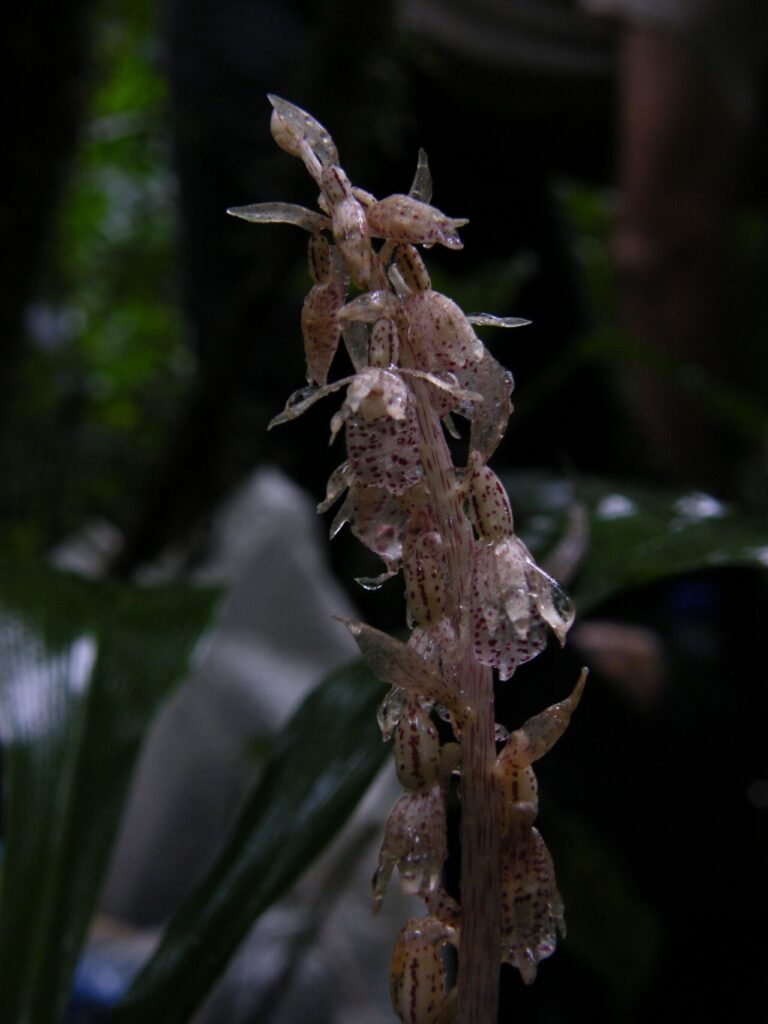
The Ghost Orchid’s Elusive Dance: Unraveling the Mystery of Epipogium roseum Propagation
The Ghost Orchid, Epipogium roseum, holds a mythical aura in the plant world. This delicate beauty, often appearing as if conjured from thin air, is renowned for its ethereal beauty and elusive nature. Unlike most orchids, Epipogium roseum lacks leaves and chlorophyll, relying entirely on a complex symbiotic relationship with specific fungi for sustenance. This unique lifestyle, while fascinating, makes propagation a tricky and rarely successful endeavor, even for experienced orchid enthusiasts.
Deciphering the Dance: A Symbiotic Relationship
To understand the challenges of propagating Epipogium roseum, we first need to delve into its intricate relationship with its fungal partner. This orchid lacks the ability to photosynthesize, meaning it cannot produce its own food. Instead, it forms specialized roots called “mycorrhizae,” which intertwine with the mycelium of specific mycorrhizal fungi found in the soil. The fungus draws nutrients from decaying organic matter, sharing a portion of these vital resources with the orchid.
The Seed of Hope: A Challenging Path
Propagating Epipogium roseum traditionally involves germinating its dust-like seeds in a sterile environment that mimics its natural habitat. This process, however, is fraught with difficulty.
- Fungal Dependence: Epipogium roseum seeds require the presence of their specific fungal partner to germinate. Isolating and cultivating this fungus in a controlled environment is a significant challenge.
- Specific Conditions: Even with the right fungus, replicating the precise environmental conditions required for germination and growth is crucial. This includes factors like temperature, humidity, pH levels, and the availability of trace elements.
- Time and Patience: Even under ideal conditions, germination can take months or even years, demanding immense patience and meticulous care.
Glimmers of Progress: Modern Approaches
While traditional propagation methods remain challenging, recent advancements in mycorrhizal research offer a glimmer of hope. Scientists are making strides in identifying and cultivating the specific fungal strains associated with Epipogium roseum. This development opens doors for more controlled and successful in-vitro propagation techniques.
Conservation through Understanding
The difficulty in propagating Epipogium roseum underscores the importance of protecting its natural habitat. Understanding the intricate relationship between this orchid and its fungal partner is crucial for developing effective conservation strategies.
While cultivating the Ghost Orchid remains a challenge reserved for the most dedicated and experienced, research continues to shed light on its secrets. With each discovery, we inch closer to unraveling the complexities of its propagation, ensuring the continued survival of this captivating orchid for generations to come.