
Propagating the Tiny Pincushion Cactus: A Guide to Epithelantha micromeris
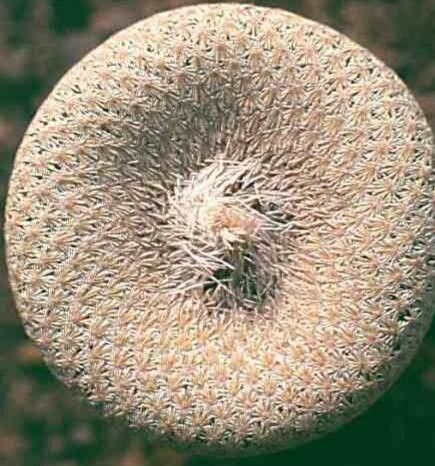
Epithelantha micromeris, commonly known as the dwarf pincushion cactus or button cactus, is a captivating miniature succulent prized for its incredibly small size and dense, spiny covering. Its diminutive stature, rarely exceeding 2 inches in diameter, and its adorable, almost perfectly spherical shape make it a highly sought-after specimen by succulent enthusiasts. While its slow growth contributes to its charm, it also presents unique challenges for propagation. The inherent difficulties in propagating this species add to the sense of accomplishment experienced by those who successfully cultivate it.
Seed Germination:
Seed germination for Epithelantha micromeris is possible, but presents significant hurdles. The seeds are minute, and germination rates are often low. Success hinges on providing optimal conditions.
- Challenges: Low germination rates, susceptibility to fungal diseases (damping off) in humid conditions. The seeds require specific light and temperature conditions to trigger germination.
- Practical Tips: Sow seeds thinly on a well-draining cactus and succulent potting mix. Maintain consistently moist (not soggy) conditions but ensure excellent ventilation to prevent fungal growth. Use fine-grained seed-starting mix. A bottom-heat mat can slightly elevate soil temperature, potentially improving germination rates. Light is crucial; a brightly lit area (but not direct harsh sunlight) is essential. Consider using a germination dome to maintain humidity without excessive moisture.
- Rewards: Genetic diversity in the resulting seedlings, potential for large-scale propagation for conservation or commercial purposes.
Cuttings:
Currently, there are no known reliable methods for propagation of Epithelantha micromeris using cuttings. The small size and delicate nature of the plant make it extremely difficult to obtain and root viable cuttings.
Division:
Division is not a practical method of propagation for Epithelantha micromeris. Plants rarely produce offsets or pups that can be easily separated and grown independently.
Tissue Culture:
Tissue culture offers a potentially viable, albeit specialized, pathway for Epithelantha micromeris propagation.
- Challenges: This method requires specialized laboratory equipment, sterile techniques, and a high level of skill. Developing appropriate culture media and protocols specifically for this species is crucial and requires research and experimentation. The process is also comparatively expensive.
- Practical Tips: Not practical advice can be given without significant laboratory experience. Consult resources specializing in cactus tissue culture for protocols and techniques.
- Rewards: High propagation rates, disease-free plants, and the ability to produce thousands of clones from a single plant. This is particularly significant for rare or endangered varieties.
Conclusion:
Propagating Epithelantha micromeris presents a considerable challenge. While seed germination offers a route to genetic diversity, its success depends on meticulous attention to detail. Cuttings and division are not viable options. Tissue culture provides the most promising approach for large-scale propagation, but its high technological demands limit its accessibility to most home cultivators. The rewards, however – whether it’s the satisfaction of coaxing germination from tiny seeds or the potential to preserve this fascinating miniature cactus – make the effort worthwhile. The unique aesthetic appeal and the challenge inherent in growing this tiny treasure add to the immense gratification experienced in successfully cultivating the dwarf pincushion cactus. Don’t be discouraged by the difficulty; the journey itself is a rewarding learning experience. Start small, experiment carefully, and enjoy the journey of cultivating this remarkable plant.