
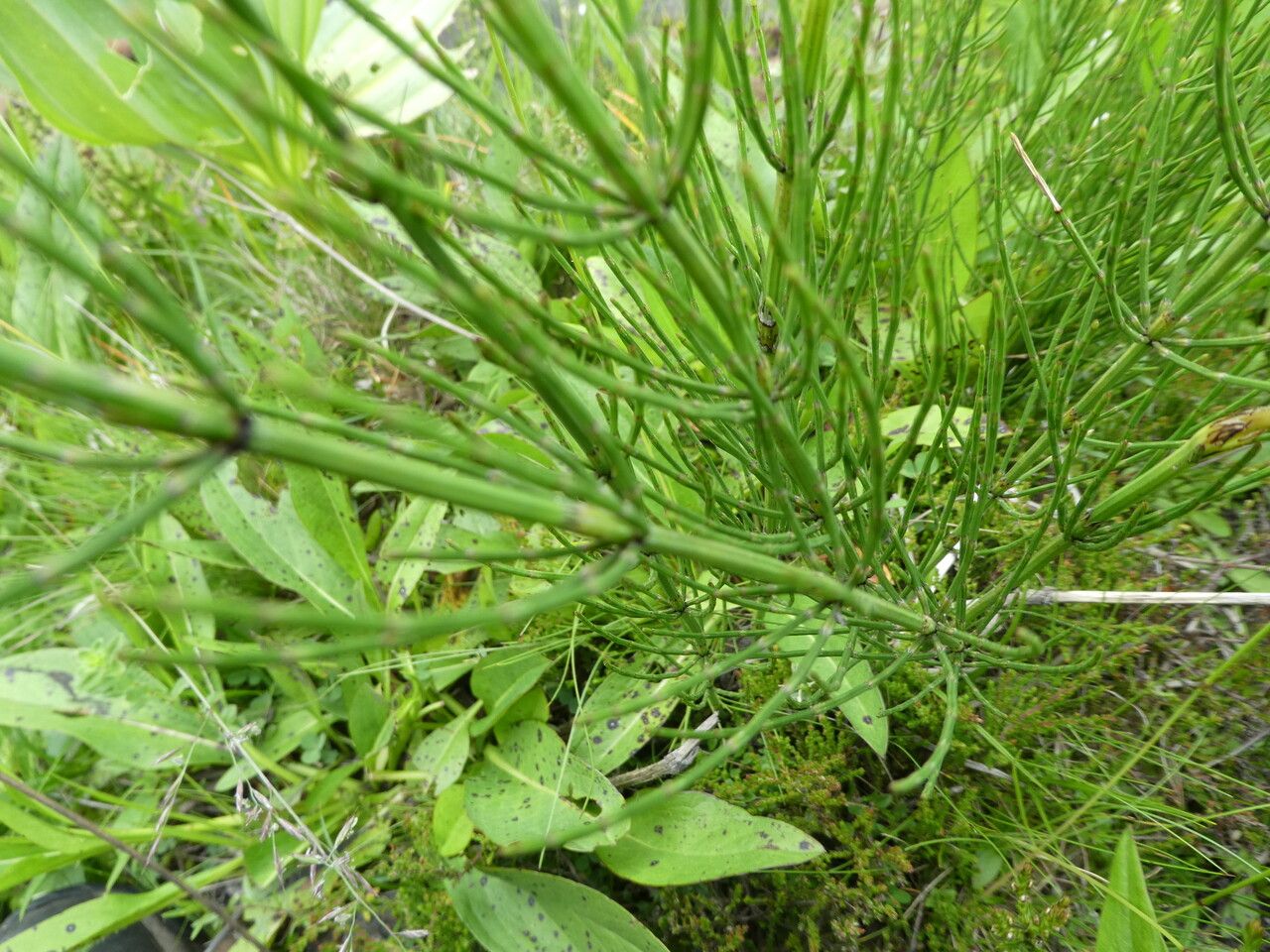
Don’t Let It Multiply! A Guide to Controlling Equisetum palustre (Marsh Horsetail)
You might be charmed by its unique, prehistoric appearance, but beware – Equisetum palustre, also known as Marsh Horsetail, isn’t your average houseplant. This fascinating, ancient species is a master of disguise, often mistaken for non-invasive ferns. But beneath that charming exterior lies a relentless drive to conquer – and it’s a drive that can quickly turn your garden into a horsetail jungle.
So, you’ve discovered Equisetum palustre in your garden, and you’re wondering how to manage it? Well, you’ve come to the right place. This blog will help you understand the unique characteristics of this plant and equip you with the knowledge to control its spread.
Understanding Equisetum palustre’s Survival Tactics
Equisetum palustre is a true survivor, thriving in wetlands and moist areas with its impressive resilience. But what makes it so difficult to manage? The answer lies in its clever propagation strategies:
- Spores: Like ferns, Equisetum palustre relies on spores for reproduction. These microscopic particles are easily dispersed by wind, water, and even humans, establishing new colonies far and wide.
- Rhizomes: These horizontal underground stems are the plant’s secret weapon. They spread rapidly throughout the soil, sending up new shoots and rapidly expanding the plant’s territory.
- Fragmentation: Even small pieces of rhizome or stems can sprout into new plants, making it challenging to eradicate the plant completely.
Controlling the Spread: A Multi-Faceted Approach
Eradicating Equisetum palustre completely can be a lengthy process, but by employing a combination of techniques, you can effectively control its spread and restore balance to your garden:
- Manual Removal: Digging out the plant’s rhizomes is a meticulous process. Be thorough and ensure you remove every fragment, as even small pieces can regenerate into new plants. Avoid using forks or tools that break the rhizomes into smaller pieces.
- Herbicides: Glyphosate is often used to control Equisetum palustre. Apply it directly to the plant, being careful not to spray nearby desirable vegetation.
- Solarization: Covering the affected area with a clear plastic tarp during summer months will kill off the plant’s rhizomes. Maintain a temperature of at least 130-160 degrees Fahrenheit for several weeks for effective results.
- Mulching: A thick layer of organic mulch, such as wood chips or bark, can suppress seed germination and prevent new shoots from emerging.
- Competitive Planting: By introducing native, fast-growing plants, you can shade out the Equisetum palustre and limit its access to sunlight.
Prevention is Key:
Once Equisetum palustre has established itself, controlling it can be a long and arduous task. Prevention is key:
- Avoid introducing the plant: When purchasing plants, ensure they are not contaminated with Equisetum palustre rhizomes.
- Monitor nearby areas: Keep an eye on nearby wetlands and ditches for signs of Equisetum palustre. If spotted, take immediate action to prevent it from spreading to your garden.
Equisetum palustre’s Hidden Value
While Equisetum palustre can be a challenge to manage, it’s vital to recognize its ecological value. It can act as a natural filter, removing excess nutrients from waterways. It also provides habitat for insects and amphibians.
Wrapping Up
Equisetum palustre is a fascinating plant with a powerful instinct for survival. By understanding its propagation methods and employing appropriate control measures, you can manage its presence in your garden while respecting its ecological importance. Remember, the key is to stay vigilant, be persistent, and prevent further spread!