
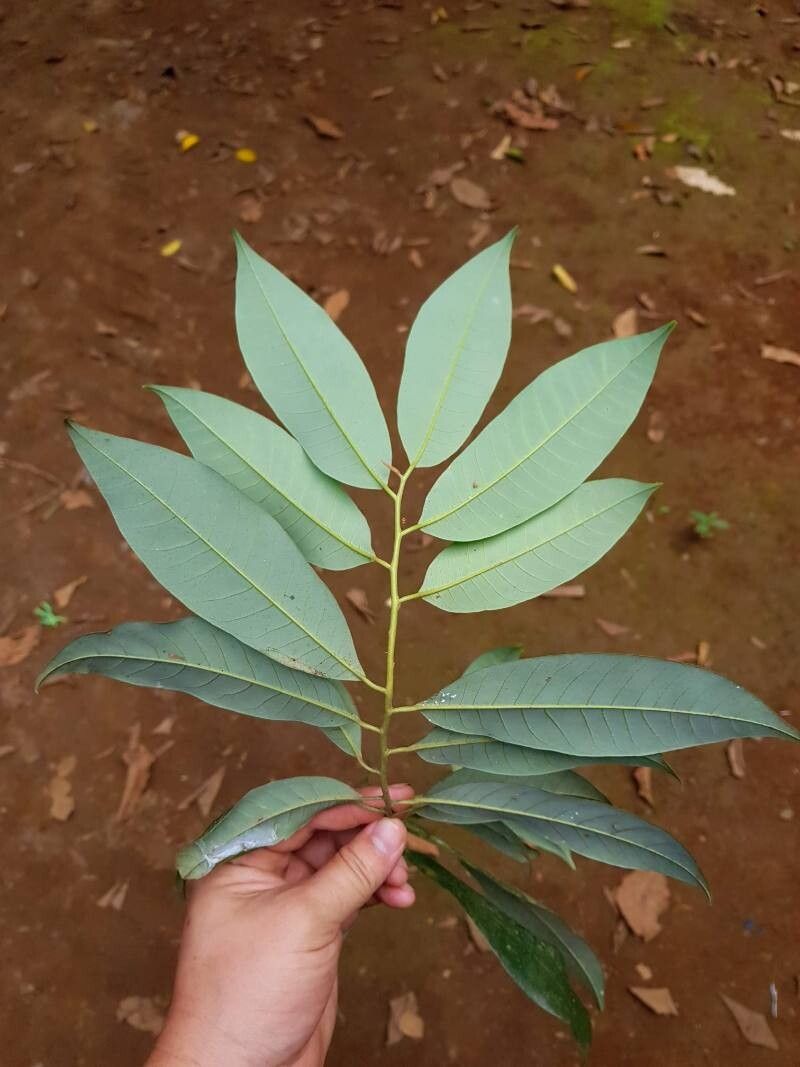
Unveiling the Secrets of Virola Multiflora: A Guide to Propagation
Virola multiflora, a fascinating tropical tree native to the Amazon rainforest, is known for its captivating beauty and intriguing applications. But for those eager to cultivate this unique species, the question of propagation arises. How can you bring the magic of Virola multiflora to your own garden?
The Importance of Propagation
Propagating plants, especially trees, allows us to preserve biodiversity and maintain the vitality of species like Virola multiflora. It also provides opportunity for responsible and ethical sourcing instead of relying solely on wild harvesting.
Exploring Propagation Options
Virola multiflora can be propagated through several methods. Each has its advantages and considerations:
Seed Propagation: This is the most common and straightforward method. Virola multiflora produces seeds that are encased in a fruit, which can be collected and cleaned for sowing. Seed germination typically takes place in a moist, warm environment, often with the aid of a germination tray or seedbed. Patience is key, as germination can take several weeks.
Cuttings: Propagating Virola multiflora through cuttings involves taking a section of a stem and rooting it to develop a new plant. While this method is faster than seed propagation, it requires more specialized techniques and a suitable rooting medium. Take cuttings from healthy, mature branches and use rooting hormone to encourage root development.
- Grafting: Grafting is a more advanced propagation method where a section of a plant is joined to the stem of another rooted plant. This technique allows for the preservation of desired traits of a specific Virola multiflora variety while ensuring the robustness of a compatible rootstock.
Cultivation Tips for Success
- Climate Considerations: Virola multiflora prefers warm, humid climates with ample rainfall. Mimicking its natural rainforest habitat is key.
- Soil Conditions: Well-drained, fertile soil with a pH of 6.0 to 7.0 is ideal. A mix of compost and potting soil can provide adequate nutrients and drainage.
- Light Requirements: Virola multiflora thrives in partial shade, especially during its juvenile phase. As it matures, it can tolerate more direct sunlight.
- Protection: Young seedlings and cuttings are susceptible to pests and diseases. Use organic pest control measures and provide them with adequate support to thrive.
- Water Management: Regular watering is crucial, especially during the establishment phase. Ensure the soil remains consistently moist but not waterlogged.
Beyond Propagation
While propagation is important, understanding the potential applications of Virola multiflora adds further depth to its cultivation. The tree’s bark is renowned for its traditional uses within indigenous communities in the Amazon, and modern research explores its potential for various applications. However, it’s essential to respect the cultural significance and to source material ethically and sustainably.
A Call to Action: Cultivating Connection
We can all contribute to the conservation and understanding of amazing species like Virola multiflora. Whether you’re a seasoned gardener, a curious hobbyist, or simply someone who appreciates the beauty of our planet, propagation offers a tangible way to contribute. By learning about and practicing propagation, we create a healthier and more sustainable relationship with the natural world.
Let us continue to explore the wonders of Virola multiflora, not only for its beauty but for its value within the intricate tapestry of our planet.