
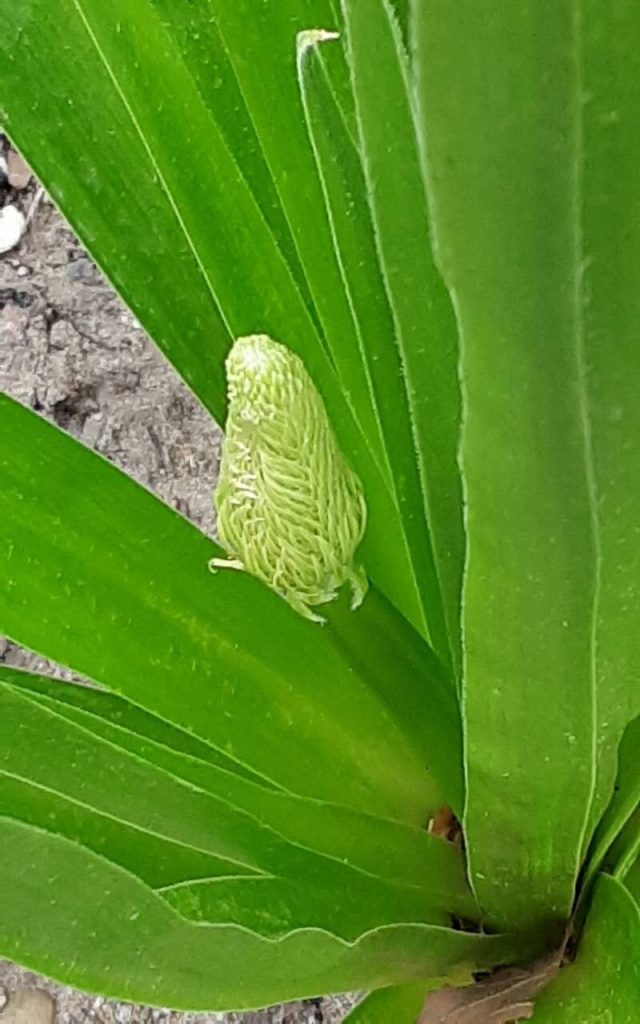
Propagating the Himalayan Foxtail Lily: A Gardener’s Challenge
Introduction:
Eremurus himalaicus, commonly known as the Himalayan Foxtail Lily, is a striking ornamental plant prized for its dramatic, tall flower spikes adorned with hundreds of tiny, star-shaped blooms. These majestic spikes can reach heights of up to 2 meters, making them a captivating focal point in any garden. Their delicate beauty, coupled with their relatively long lifespan (once established), makes them highly sought-after by gardeners. However, propagating Eremurus himalaicus presents unique challenges, making successful cultivation all the more rewarding. The plant’s slow growth rate and specific requirements influence its propagation methods.
Seed Germination:
Seed germination for Eremurus himalaicus is possible, but notoriously challenging. The seeds possess a hard seed coat, requiring stratification for successful germination. This process mimics the natural winter conditions necessary to break dormancy.
Challenges: Low germination rates are common, even with stratification. Seeds require very specific temperature and moisture conditions, and fungal pathogens can easily wipe out delicate seedlings.
Practical Tips: Stratify seeds for 8-12 weeks at temperatures between 2-5°C (35-41°F) in a moist, but not waterlogged, medium. Sow seeds in free-draining, sandy soil in early spring, barely covering them with compost. Provide consistent moisture, but avoid overwatering. A high percentage loss of seedlings is expected.
Rewards: Successful germination offers genetic diversity, providing a wider range of potential varieties within your garden. It’s also a possibility for large-scale propagation, though this will only be successful with a high level of attention to detail.
Cuttings:
Currently, there are no known reliable methods for propagation of Eremurus himalaicus via cuttings. The plant’s physiology seemingly doesn’t support the regrowth of roots from stem or leaf cuttings.
Division:
Division is the most reliable and commonly practiced method for propagating Eremurus himalaicus.
Challenges: Eremurus himalaicus has a relatively slow growth rate, meaning division can only occur every few years once the plant is well-established and has developed multiple crowns. Dividing too early can severely damage, and even kill, the plant. Incorrect division can also lead to low success rates and poor plant health.
Practical Tips: Divide mature clumps in early autumn or late spring when the plant is dormant or just beginning to emerge. Ensure each division has a healthy section of root and several shoots. Plant divisions immediately in well-prepared, well-draining soil. Water thoroughly but sparingly thereafter.
Rewards: Division offers a reliable method of quickly increasing the number of mature plants, maintaining their established genetic characteristics.
Tissue Culture:
Tissue culture holds promise for the large-scale propagation of Eremurus himalaicus, but this method requires specialized equipment and expertise.
Challenges: Establishing a sterile environment and choosing the appropriate growth media, alongside the optimization of plant hormones, requires extensive knowledge and technical skill. It’s an expensive and time-consuming process.
Practical Tips: This is generally undertaken by specialist nurseries. If pursuing this method, seek guidance from experienced tissue culture technicians.
Rewards: Tissue culture allows for rapid propagation of many plants from a small amount of source material and guarantees genetically identical plants.
Conclusion:
Propagating Eremurus himalaicus presents a range of challenges, with division being the most practical method for the home gardener. While seed propagation offers genetic diversity and the possibility of larger numbers, the low success rates demand patience and careful attention to detail. Cuttings appear not to be a viable option. Tissue culture is the most efficient method for large-scale propagation but requires specialized skills and equipment. The rewards, however, are immense. The unique majesty of the Himalayan Foxtail Lily and the triumphant moment of seeing those impressive flower spikes emerge from a propagated plant make the efforts worthwhile. Embrace the challenges, learn from setbacks, and enjoy the immense satisfaction of cultivating this remarkable plant. Don’t be discouraged by failures; perseverance is key to successfully propagating this beautiful and slightly temperamental species.