
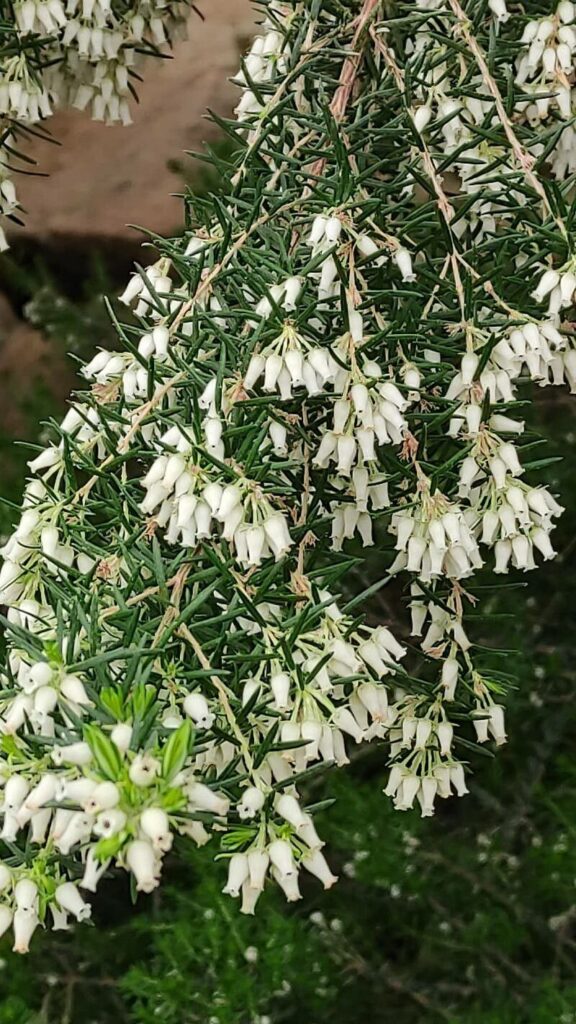
Taming the Cape Heath: Unveiling the Secrets of Erica Caffra Propagation
Erica caffra, also known as the common Cape heath, enchants gardeners with its delicate beauty and explosion of pink, bell-shaped flowers. Native to the Southern African landscape, this evergreen shrub thrives in mild climates and adds a touch of wild charm to gardens. If you’re eager to welcome more of this lovely plant into your outdoor space, the good news is that propagating Erica caffra, while requiring a bit of patience, is a rewarding endeavor. Let’s delve into the secrets of successfully multiplying your Cape heath.
Understanding the Timing
Timing is crucial when it comes to propagating Erica caffra. The ideal period is during the plant’s active growing season, typically from late spring to early summer. This is when the plant has the best chance of developing strong roots.
Two Paths to Propagation: Seed vs. Cuttings
You have two main options for propagating Erica caffra:
1. Seed Propagation:
- Collecting Seeds: After the flowering season, the Cape heath develops small capsules containing tiny seeds. Allow these capsules to dry on the plant before collecting them.
- Sowing: Sow the seeds in a seed tray filled with a well-draining seed-starting mix. Keep the soil consistently moist but not waterlogged. Seedlings are delicate and benefit from a warm, sheltered location.
- Germination: Patience is key with seed propagation, as germination can take several weeks.
- Transplanting: Once the seedlings are large enough to handle, carefully transplant them into individual pots or your desired outdoor location.
2. Propagation from Cuttings:
- Taking Cuttings: Select healthy, non-flowering stems from your Erica caffra plant. Using a sharp, clean knife or pruning shears, take cuttings that are about 3-4 inches long. Remove the lower leaves to expose the nodes, as this is where root development will occur.
- Hormone Treatment (Optional but Recommended): Dip the cut ends of the stems in rooting hormone powder. This step isn’t mandatory, but it significantly increases the success rate by encouraging faster and healthier root development.
- Planting the Cuttings: Insert the cuttings into a pot filled with a well-draining mix. A combination of peat moss and perlite or vermiculite works well.
- Creating a Humid Environment: Cover the pot with a clear plastic bag or use a propagation dome to create a humid environment that prevents the cuttings from drying out.
- Rooting Time: The cuttings will typically take 4-8 weeks to develop roots. During this time, ensure the soil remains consistently moist and provide indirect sunlight.
- Transplanting: Once roots have formed and new growth appears, you can carefully transplant the rooted cuttings into individual pots or their permanent location in the garden.
Tips for Success:
- Well-Draining Soil: Erica caffra is susceptible to root rot. Ensure your potting mix and garden soil drain well.
- Sun and Air Circulation: Plant your Cape heath in a location that receives ample sunlight and has good air circulation.
- Watering Wisely: Keep the soil moist but avoid overwatering, which can lead to root issues.
- Patience is Key: Propagation, especially from seed, takes time. Don’t be discouraged if you don’t see immediate results.
By following these tips and embracing the patience required for successful propagation, you can cultivate a thriving collection of Erica caffra, adding their unique beauty and charm to your garden for years to come.