
Taming the Mountain Beauty: Propagating Erica nevillei
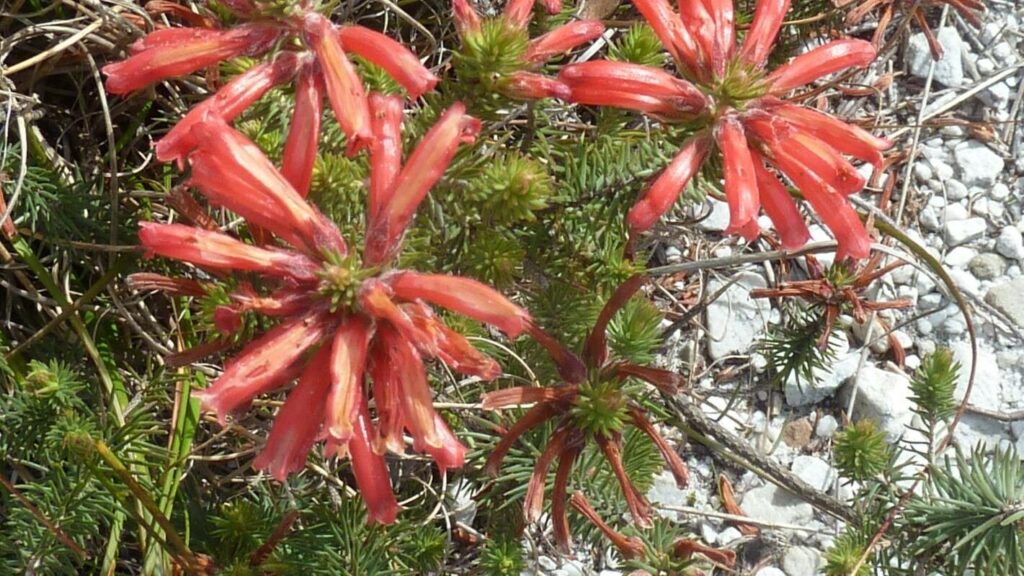
The Erica nevillei, also known as mountain heath or Neville’s heath, boasts a captivating display of bell-shaped, rosy-pink flowers that emerge from silver-green foliage. Native to the mountainous regions of South Africa, this evergreen shrub adds a touch of rugged elegance to gardens willing to accommodate its specific needs. While cultivating this mountain dweller can be a rewarding challenge, propagating Erica nevillei is a satisfying endeavor for any enthusiast eager to expand their collection.
Understanding the Plant:
Before delving into propagation techniques, it’s crucial to understand the Erica nevillei’s preferences. This plant thrives in well-drained, acidic soil with a pH level between 4.5 and 5.5. It basks in full sun to partial shade, displaying optimal growth and flowering with at least four hours of direct sunlight daily.
While Erica nevillei can be grown from seed, cuttings offer a more accessible and reliable route to propagation:
-
Cuttings:
- Timing is Key: The optimal time for taking cuttings is late summer or early fall when the plant isn’t actively flowering.
- Selecting the Right Cuttings: Look for healthy, non-flowering shoots approximately 3-4 inches long. These semi-ripe cuttings, transitioning from soft green to woody, generally exhibit higher success rates.
- Preparing the Cuttings: Using a clean, sharp knife or pruning shears, make a cut just below a leaf node (the point where leaves emerge). Remove the lower leaves, leaving 2-3 pairs at the top.
- Encouraging Root Development: Dip the cut end in rooting hormone powder to stimulate root growth. This step is optional but recommended for optimal results.
- Planting the Cuttings: Prepare a pot with a well-draining, acidic potting mix specifically designed for ericaceous plants. Make a hole in the mix with a pencil and gently insert the cutting, ensuring the leaf nodes are buried.
- Creating a Humid Environment: Cover the pot with a clear plastic bag or use a propagator to maintain humidity, mimicking the misty mountain conditions Erica nevillei enjoys.
- Patience is Key: Place the pot in a bright location, out of direct sunlight, and maintain consistent moisture. Rooting can take anywhere from 6 to 8 weeks.
- Transplanting: Once the cuttings show signs of new growth, it’s safe to transplant them into individual pots or your desired outdoor location.
- Seeds:
- Sowing: Sow seeds in late winter or early spring on the surface of a moist, acidic potting mix.
- Germination Conditions: Cover the tray with plastic wrap or use a propagator to maintain humidity and place it in a bright spot, out of direct sunlight.
- Patience is Crucial: Germination can be slow and erratic, often taking several weeks or even months.
- Transplanting: Once seedlings are large enough to handle, transplant them into individual pots.
Nurturing Your New Erica Nevillei:
Regardless of your chosen propagation method, remember that Erica nevillei thrives in well-drained soil and benefits from regular watering, especially during dry spells. Fertilize lightly in spring with an ericaceous fertilizer to support healthy growth and flowering.
Propagating Erica nevillei is a rewarding endeavor that allows you to multiply this stunning plant and share its beauty with others. With patience, care, and a touch of green-thumb magic, you can enjoy the vibrant blooms of this mountain gem for years to come.