
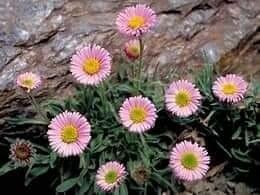
Unlocking the Secrets of Erigeron Frigidus Propagation: A Guide to Growing More of This Alpine Beauty
Erigeron frigidus, also known as the Arctic Alpine Fleabane, is a charming perennial prized for its delicate, daisy-like blooms and resilience in harsh, mountainous environments. While readily available in nurseries specializing in alpine plants, learning to propagate Erigeron frigidus yourself can be a rewarding experience for any plant enthusiast. This article will delve into the various methods of propagating this hardy beauty, empowering you to expand your garden with minimal cost and maximum satisfaction.
Three Paths to Propagation
Erigeron frigidus can be propagated in three primary ways: seed sowing, division, and cuttings. Each method offers its own advantages and intricacies, allowing you to choose the technique that best suits your skill level and resources.
1. Sowing the Seeds of Success:
Erigeron frigidus seeds are typically sown in late winter or early spring, either indoors or directly in the garden once the threat of frost has passed.
-
Indoor Sowing: Utilize seed trays or pots filled with well-draining seed compost. Sow the seeds thinly and press them gently onto the surface, covering them lightly with a fine layer of vermiculite or compost. Maintain a temperature of 18-21°C (65-70°F) and ensure consistent moisture. Germination typically takes 2-4 weeks. Once the seedlings are large enough to handle, carefully transplant them into individual pots and gradually acclimatize them to outdoor conditions before planting.
- Direct Sowing: Choose a well-drained location with partial to full sun exposure. Prepare the soil by removing any weeds and raking it smooth. Scatter the seeds sparsely and lightly rake them into the soil. Keep the soil moist but not waterlogged. Thin out the seedlings as needed to provide adequate spacing for growth.
2. Dividing and Conquering:
Division is a simple and effective method for propagating established Erigeron frigidus plants. This method is best performed in spring or autumn when the plant is actively growing.
- Carefully lift the entire plant from the ground using a garden fork. Gently tease apart the root ball into smaller sections, ensuring each division has a healthy clump of roots and shoots. Replant the divisions at the same depth they were growing previously, water thoroughly, and provide adequate support until they are established.
3. The Art of Cuttings:
Taking cuttings is another reliable method for propagating Erigeron frigidus, particularly if you want to create multiple plants from a single parent.
- In late spring or early summer, select healthy, non-flowering stems. Using a clean, sharp knife or pruners, take 3-4 inch cuttings just below a leaf node. Remove any lower leaves, leaving 2-3 pairs at the top. Dip the cut end in rooting hormone (optional). Insert the cuttings into a pot filled with a well-draining rooting mix, burying the bottom node. Water thoroughly and cover the pot with a plastic bag or propagate in a humidity dome to retain moisture. Place the cuttings in a bright location out of direct sunlight. After 4-6 weeks, tug gently on the cuttings to check for root development. Once rooted, pot up individually or plant directly into your garden.
Caring for Your New Progeny
Regardless of the propagation method you choose, Erigeron frigidus thrives in well-drained soil and prefers a sunny or partially shaded location. Water regularly, especially during dry periods, but avoid overwatering, which can lead to root rot. Deadhead spent blooms to encourage further flowering and prevent self-seeding. With a little care and attention, your propagated Erigeron frigidus plants will reward you with charming blooms year after year, adding a touch of alpine elegance to your garden.