
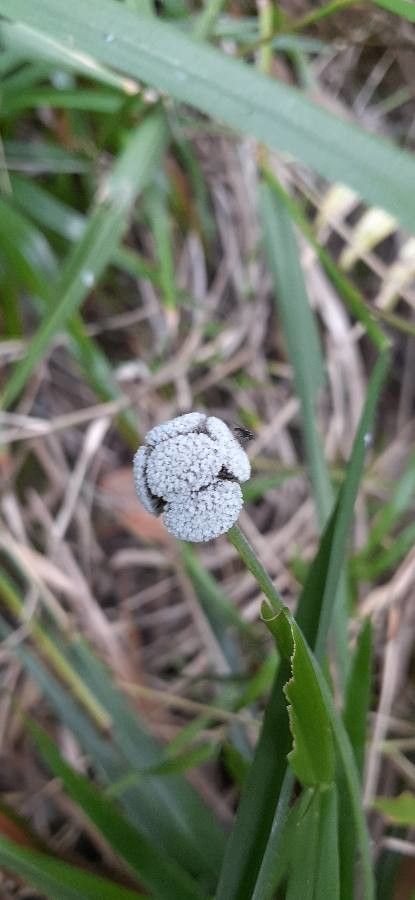
Unveiling the Secrets: How to Propagate the Exquisite Eriocaulon decangulare
The world of aquatic plants is full of hidden gems, and few shine as brightly as the Eriocaulon decangulare. With its mesmerizing, spiky leaves radiating outwards like a miniature firework, this plant is a showstopper in any aquarium. But the allure of this aquatic beauty isn’t limited to its looks. Propagating Eriocaulon decangulare, while somewhat challenging, is incredibly rewarding and offers a chance to multiply your collection of these captivating plants.
Understanding the Eriocaulon decangulare
Before diving into propagation, it’s crucial to understand what makes this plant tick. Native to the slow-flowing, acidic waters of the southeastern United States, Eriocaulon decangulare thrives in specific conditions:
- Light: This plant prefers moderate to high light levels. Insufficient light will result in leggy growth and pale coloration.
- Water Parameters: Eriocaulon decangulare enjoys soft, acidic water with a pH range of 5.5 to 6.5. Consistent water changes and a suitable substrate are essential for maintaining these parameters.
- Nutrients: While not a heavy feeder, this plant benefits from a nutrient-rich substrate and regular fertilization with a micro-nutrient-rich formula.
Propagation: Seeds vs. Daughter Plants
Eriocaulon decangulare can be propagated in two ways:
1. Seeds: While flowering and seed production are possible in ideal conditions, this method is less common and more challenging for hobbyists. Seeds require precise conditions to germinate and may not always inherit the parent plant’s characteristics.
2. Daughter Plants: This is the most common and reliable propagation method. Eriocaulon decangulare produces small daughter plants, often referred to as “pups,” around the base of the mother plant.
Propagating Eriocaulon decangulare Through Daughter Plants
Here’s a step-by-step guide to successfully propagating using daughter plants:
1. Identifying Viable Pups: Look for well-developed daughter plants with their own root system. Ideally, they should be at least 1/3 the size of the mother plant.
2. Carefully Separating: Using sharp, clean scissors or a razor blade, gently detach the daughter plant from the mother plant. Ensure you don’t damage the roots of either plant.
3. Potting the Pups: Plant the separated pups in individual pots or directly into your aquarium substrate. Ensure the roots are well-anchored and the crown of the plant is slightly above the substrate.
4. Providing Optimal Conditions: The newly planted pups require the same care as mature Eriocaulon decangulare. Maintain stable water parameters, provide adequate lighting, and fertilize regularly.
5. Patience is Key: It may take a few weeks for the newly propagated plants to establish themselves. Be patient and continue to provide optimal conditions, and soon, you’ll be rewarded with new growth.
Tips for Success
- Choose healthy mother plants: Stressed or unhealthy plants are less likely to produce viable pups.
- Don’t rush the separation: Let the daughter plants grow to a reasonable size before separating them.
- Avoid overcrowding: Give the new plants adequate space to grow and thrive. Overcrowding can hinder growth and lead to competition for resources.
Propagating Eriocaulon decangulare is a satisfying experience that allows you to expand your collection and appreciate the intricacies of this stunning plant. With patience, care, and the right knowledge, you can successfully propagate this aquatic gem and enjoy its beauty for years to come.