
Beyond the Seed Packet: Unlocking the Secrets of Indian Ricegrass Propagation
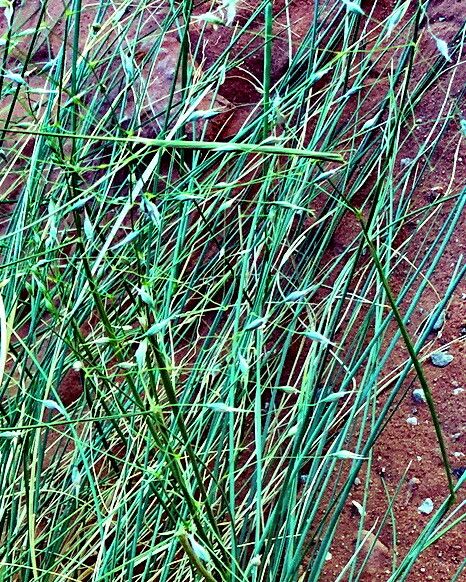
Indian ricegrass ( Eriocoma hymenoides), with its delicate seed heads and ability to thrive in challenging environments, is an unsung hero of the Western landscape. This valuable native grass provides crucial habitat and forage, plays a role in erosion control, and even boasts a rich history as a food source for indigenous communities. Whether you’re a seasoned gardener or a curious beginner, learning to propagate Indian ricegrass can be a rewarding experience.
Seeds of Success: The Direct Sowing Method
The most common and straightforward method for propagating Indian ricegrass is through direct seeding. This technique mimics the natural life cycle of the plant and boasts a good success rate when done correctly.
Timing is Key: The optimal time to sow Indian ricegrass seeds is in the fall or early winter. This allows the seeds to experience the natural chilling period necessary for breaking dormancy.
Preparing the Stage: Choose a location with well-drained soil and plenty of sunlight. Indian ricegrass thrives in arid and semi-arid environments, so it’s tolerant of poor soil conditions. However, gently loosening the soil and removing any existing weeds will give your seeds a head start.
Sowing the Seeds: Scatter the seeds evenly over the prepared area, aiming for a depth of about 1/4 inch. Lightly rake the soil to cover the seeds and water gently.
Patience is a Virtue: Germination can take anywhere from a few weeks to several months, depending on environmental conditions. Maintain consistent moisture in the soil until the seedlings are established.
Beyond Seeds: Exploring Division as an Alternative
While direct seeding is the most common propagation method, established clumps of Indian ricegrass can also be propagated through division. This method offers a quicker way to obtain mature plants.
The Art of Division: In early spring or late fall, carefully dig up a healthy clump of Indian ricegrass. Using a sharp knife or garden spade, divide the clump into smaller sections, ensuring that each section has a good root system.
Replanting and Care: Replant the divided sections immediately in prepared holes that are the same depth as the original root ball. Water thoroughly and keep the soil consistently moist until new growth appears.
A Legacy of Resilience: The Importance of Propagation
Learning to propagate Indian ricegrass isn’t just about cultivating a beautiful and resilient plant; it’s about participating in the preservation of a vital species. By increasing the presence of this versatile grass, we contribute to the ecological health of our landscapes, supporting local wildlife, and honoring the deep cultural significance of this native treasure.