
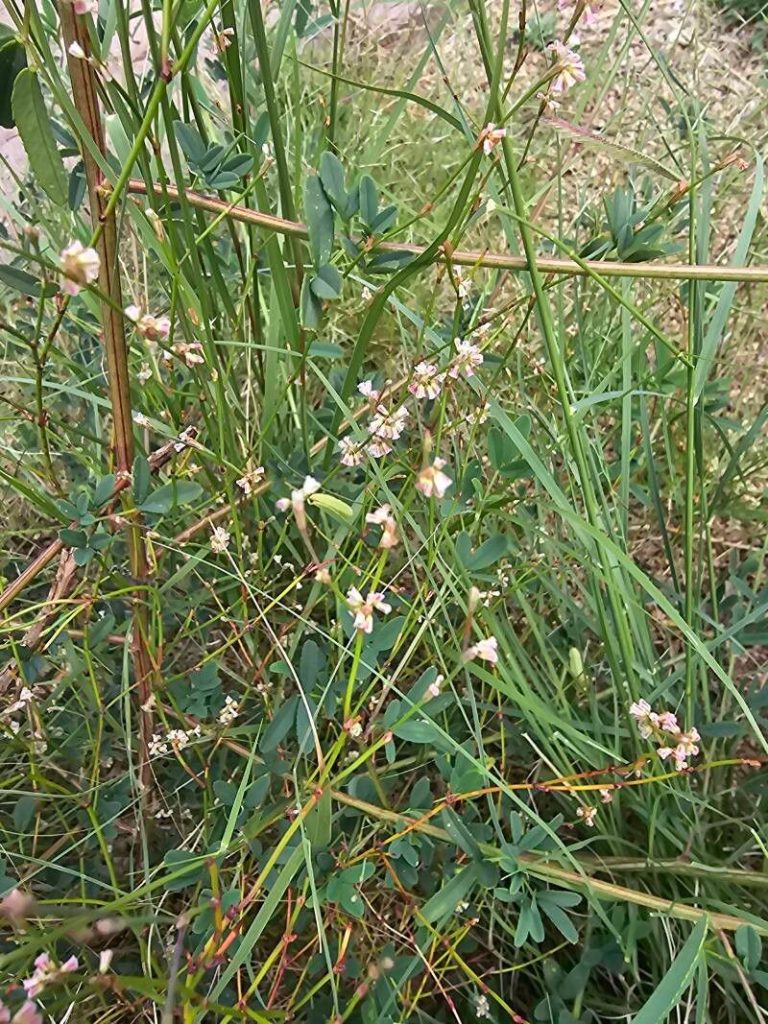
Propagating Davidson’s Buckwheat (Eriogonum davidsonii): A Gardener’s Guide
Introduction
Eriogonum davidsonii, commonly known as Davidson’s buckwheat, is a captivating low-growing perennial native to the arid regions of California. Its charming, silvery-green foliage and profuse clusters of tiny white or pinkish flowers make it a highly sought-after plant among gardeners seeking drought-tolerant, low-maintenance landscaping options. Its adaptability to poor soils and its ability to attract pollinators further enhance its horticultural significance. However, propagating Davidson’s buckwheat can present unique challenges, making successful propagation a rewarding endeavor for the dedicated gardener. This article will examine various propagation methods, highlighting their successes and drawbacks.
Seed Germination
Seed germination for Eriogonum davidsonii is possible but can be challenging. The primary hurdle is the seed’s dormancy. Successful germination often requires stratification—a period of cold, moist treatment mimicking winter conditions.
Challenges: Low germination rates are common even with stratification. Seeds may not germinate uniformly, leading to uneven seedling development.
Tips: Collect seeds after the flowers have dried completely. Stratify seeds for 6-8 weeks at temperatures between 33-40°F (0-4°C) in a moist medium like vermiculite or peat moss. Sow seeds in a well-draining seed-starting mix, barely covering them with soil. Maintain consistent moisture but avoid overwatering which can lead to rot. Keep the seeds in a bright, but not directly sunny, location.
Rewards: Seed germination allows for genetic diversity within a population. It also offers the potential for large-scale propagation, making it suitable for conservation efforts or supplying plants for landscaping projects.
Cuttings
Propagating Davidson’s buckwheat from cuttings is another viable method, though success isn’t guaranteed.
Challenges: Rooting can be slow and inconsistent. The cuttings are susceptible to fungal diseases, particularly in humid conditions.
Tips: Take semi-hardwood cuttings in late spring or early summer. Use a rooting hormone to increase success. Plant cuttings in a well-draining rooting medium (e.g., perlite and peat moss mix). Maintain high humidity by covering the cuttings with a plastic dome or propagator. Ensure good airflow to prevent fungal diseases.
Rewards: Cuttings produce genetically identical plants, preserving desirable traits from the parent plant. This is advantageous for propagating particularly desirable cultivars or rare forms.
Division
Division is a relatively straightforward method for propagating established Davidson’s buckwheat plants.
Challenges: This method relies on having a mature, robust plant that can be safely divided. Dividing too early or too aggressively can weaken or kill the parent plant.
Tips: Divide established plants in spring or fall, after blooming. Ensure each division has healthy roots and sufficient foliage. Plant divisions immediately in well-drained soil, spacing them appropriately.
Rewards: Division typically yields a high success rate, providing quick increases in plant number.
Tissue Culture
Currently, there are no known reliable methods for tissue culture propagation of Eriogonum davidsonii. Research into this method may be warranted for future large-scale propagation.
Conclusion
Propagating Davidson’s buckwheat, while challenging, offers a uniquely rewarding experience. Each propagation method has its own hurdles, from low germination rates with seeds to the slow rooting of cuttings. However, the successful cultivation of this beautiful and resilient plant, earned through persistence and careful technique, provides a sense of accomplishment and allows gardeners to share its beauty with others. Whether you choose seed germination, cuttings, or division, meticulous attention to detail, careful observation of the plants’ requirements, and patient perseverance are paramount for success. The effort involved underscores the unique satisfaction found in cultivating this special plant. Don’t be discouraged by initial failures. Experimentation, learning from setbacks, and adapting techniques are key to mastering the art of propagating Davidson’s buckwheat.