
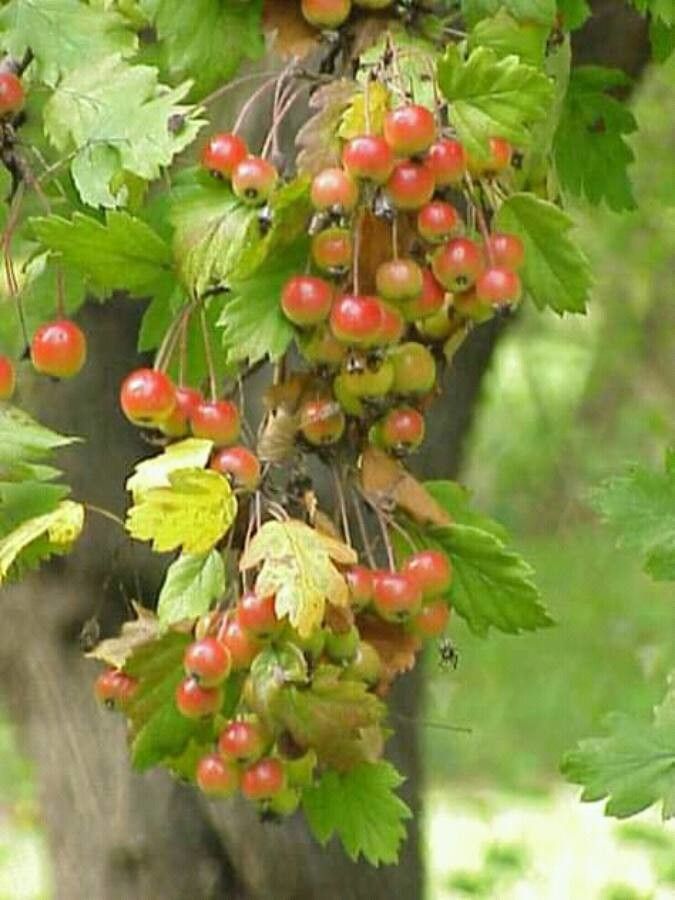
Bringing New Life to Old Trees: Propagation Techniques for Eriolobus Florentinus
The Eriolobus florentinus, also known as the Italian Wild Service Tree, is a stunning, slow-growing tree that boasts beautiful foliage and fragrant, edible fruit. But what if you could grow your own from seed or cutting? Enter the fascinating world of propagation, where you can create new plants from existing ones.
This guide will shed light on the best techniques to propagate this unique and beautiful tree, empowering you to create a thriving legacy of Eriolobus florentinus in your garden.
From Seed to Sapling:
Starting with seeds is a classic method for propagating trees. Here’s how:
- Harvesting Seeds: Collect ripe fruit from your Eriolobus florentinus in autumn. Remove the flesh and extract the seeds.
- Preparation: Clean the seeds meticulously, removing any leftover fruit pulp. Allow them to dry completely for several days.
- Stratification: Eriolobus florentinus seeds benefit from cold stratification, mimicking the natural winter conditions. Store them in a moist environment (e.g., damp vermiculite or peat moss) in a refrigerator for 6-8 weeks.
- Sowing: Once the stratification period is complete, sow the seeds in shallow trays filled with a well-draining seed-raising mix. Keep the soil consistently moist and place the tray in a bright, warm location.
- Germination and Growth: With a little patience, your seeds should germinate in 4-6 weeks. Once the seedlings have several true leaves, you can carefully transplant them into individual pots.
Creating New Life from Cuttings:
For a faster and more efficient method, consider taking semi-hardwood cuttings from your Eriolobus florentinus tree:
- Timing is Key: Cuttings are best taken in late summer or early autumn when the wood has semi-hardened.
- Taking Cuttings: Select healthy, disease-free stems that have matured but are still flexible. Make sharp cuts just below a node (where leaves grow) with a clean, sharp blade. Remove leaves from the bottom inch of the cutting.
- Hormones and Rooting: Dip the cut end of each cutting in a rooting hormone powder or gel. Prepare a rooting medium like a mix of peat moss, vermiculite, and perlite. Plant the cuttings in a pot, leaving about 2-3 inches of the cutting above the soil line.
- Warmth and Humidity: Provide the cuttings with a warm and humid environment by covering the pot with a plastic bag or dome. This will help to maintain moisture and increase success rates.
- Patience: Keep the cuttings in a bright but shaded location. Over the course of several weeks, roots should begin to develop.
- Transplantation: Once the cuttings show good growth, carefully transplant them into individual pots or directly into your garden.
Tips for Success:
- Proper Sunlight and Drainage: Eriolobus florentinus thrives in full sun to partial shade. Ensure your chosen spot for planting or potting has excellent drainage.
- Water Wisely: Ensure the soil remains consistently moist, especially during the early stages of growth, but avoid overwatering.
- Fertilization: Provide regular fertilization during the growing season with a balanced liquid fertilizer.
- Patience and Observation: Patience is key when propagating trees. Keep a watchful eye on your young Eriolobus florentinus for any signs of disease or pests.
By mastering the art of propagation, you can unlock the full potential of this remarkable tree and create your own flourishing collection of Eriolobus florentinus. Whether you prefer the classic approach of seeds or the faster technique of cuttings, the journey of propagating this stunning tree is rewarding and fulfilling. Enjoy the legacy you’ve created and watch as your efforts blossom into a beautiful testament to nature’s resilience and your own green thumb.