
Propagating Virginia Cottongrass (Eriophorum virginicum): A Guide for Gardeners
Introduction
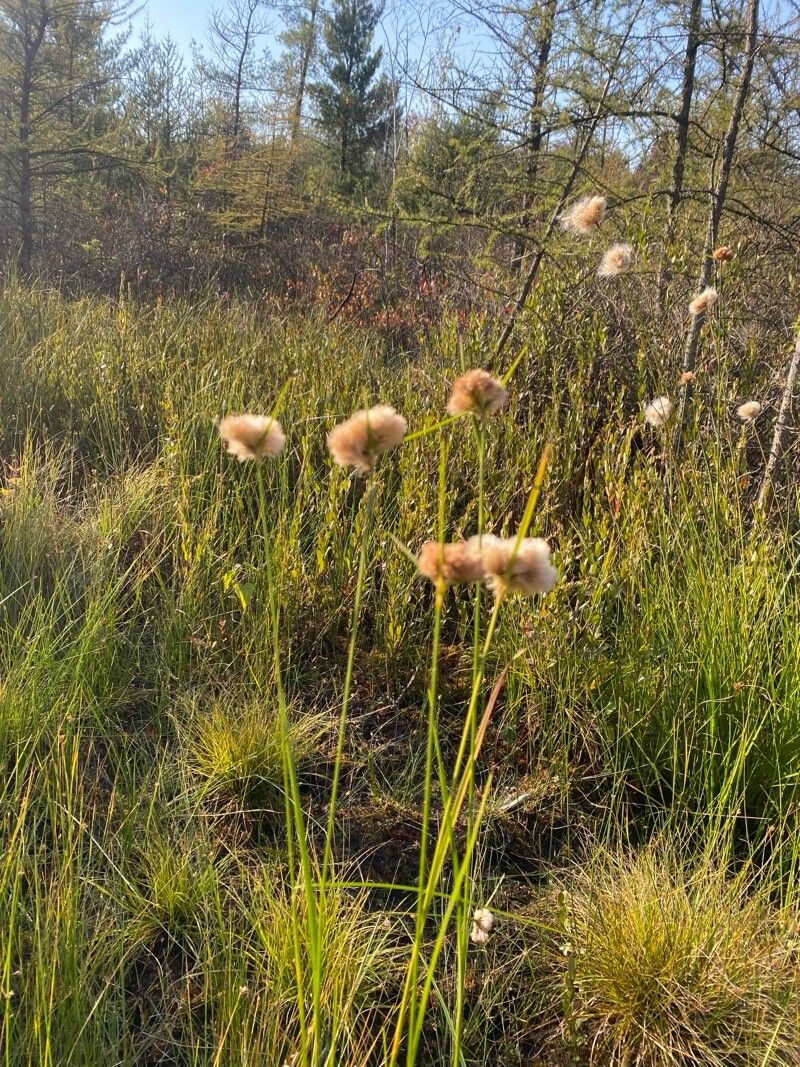
Eriophorum virginicum, commonly known as Virginia Cottongrass, is a charming herbaceous perennial prized for its airy, cotton-like seed heads that appear in late spring and summer. These fluffy white plumes create a striking textural contrast in gardens, adding a delicate ethereal quality, especially in damp or boggy areas. Its adaptability and low-maintenance nature have made it popular among gardeners seeking to incorporate native plants into their landscapes. However, propagation can present some unique challenges. Understanding the intricacies of each method is key to success.
Seed Germination
Currently, there are no known reliable methods for seed germination propagation of Eriophorum virginicum. While seeds are produced, germination rates are extremely low and unpredictable, even under optimal conditions. Factors such as seed dormancy and the specific requirements for successful germination remain largely unstudied. Therefore, relying on seed propagation for this species is generally not recommended.
Cuttings
Propagation via cuttings is also unreliable for Eriophorum virginicum. Stem cuttings or basal cuttings have shown poor rooting success. The plant’s physiology likely does not lend itself readily to this method. Further research might be needed to explore hormonal treatments or specific cutting techniques that could improve results, but currently, this approach is not recommended.
Division
Division is the most successful and commonly used method for propagating Virginia Cottongrass. This involves carefully separating established clumps into smaller sections, each containing roots and actively growing shoots.
- Challenges: The root system of Eriophorum virginicum can be somewhat delicate, making it susceptible to damage during division. Improper handling may lead to the death of divided sections.
- Practical Tips: The best time for division is in early spring or late autumn when the plant is actively growing or beginning to become dormant. Use a sharp, clean shovel or spade to divide the clump, ensuring each division has a healthy portion of roots and several shoots. Plant each division immediately in moist, acidic soil that mimics its natural habitat. Gentle handling is crucial.
- Rewards: Division provides the most dependable and efficient means of increasing your stock of Virginia Cottongrass. It’s relatively easy to perform and offers a high success rate, enabling quick establishment of new plants.
Tissue Culture
Tissue culture offers potential, but it’s a complex and specialized technique not typically undertaken by home gardeners.
- Challenges: Establishing aseptic conditions and developing an appropriate nutrient media for optimal growth are significant hurdles. Protocols specifically for Eriophorum virginicum tissue culture are not readily available.
- Practical Tips: This method requires specialized equipment, sterile procedures, and a solid understanding of plant tissue culture techniques. It’s best left to research institutions or commercial plant propagation facilities.
- Rewards: Tissue culture could potentially produce a large number of uniform plants in a short period, making it ideal for large-scale propagation or conservation efforts.
Conclusion
Propagating Virginia Cottongrass offers unique challenges. While seed propagation and cuttings prove unreliable, division presents a viable and relatively straightforward approach for the home gardener. Tissue culture holds immense potential but requires specialized expertise and resources. The rewards of successfully cultivating this beautiful native plant, despite the challenges, are undeniably satisfying. Seeing those delicate cottony seed heads appear on plants you’ve propagated yourself is a testament to patience and horticultural skill. For the aspiring propagator, focusing on the reliable method of division will provide the most likely path to success, allowing you to enjoy the ethereal beauty of Virginia Cottongrass in your garden for years to come.
