
Propagating Veronica agrestis: A Guide to the Common Field Speedwell
Introduction:
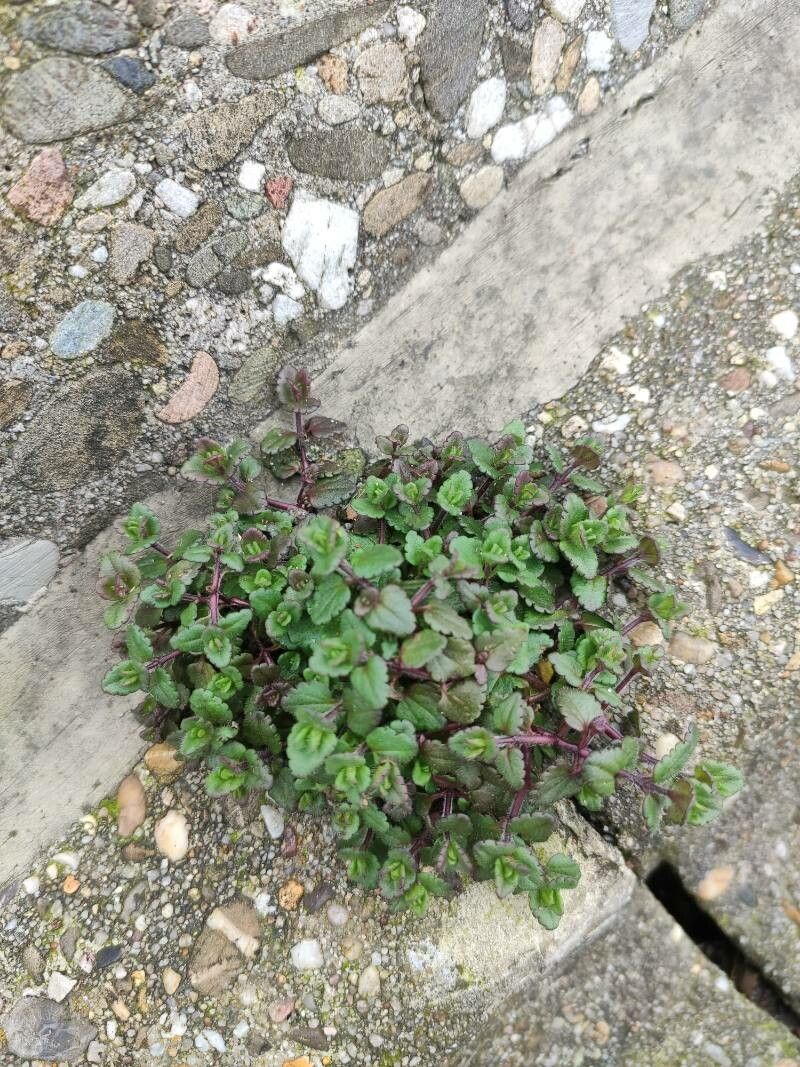
Veronica agrestis, commonly known as the common field speedwell, is a low-growing, annual plant belonging to the Plantaginaceae family. Characterized by its small, light blue to pale lilac flowers and opposite, ovate leaves, it’s a humble yet charming addition to wildflower meadows and informal gardens. While not widely cultivated as a showstopper, its resilience and ability to self-seed make it a favourite among gardeners seeking low-maintenance ground cover. Its propagation, however, presents unique challenges due to its predominantly self-seeding nature. Let’s explore several methods.
Seed Germination:
Seed germination is the most readily observed method of propagation for Veronica agrestis, as it readily self-seeds in favorable conditions. However, controlled germination can be challenging.
Challenges: The tiny seeds have a low germination rate, and require specific conditions to sprout. Competition from weeds is a significant hurdle.
Practical Tips: Collect seeds from mature plants once the seed pods have turned brown and dried. Sow seeds directly outdoors in autumn or spring, lightly covering them with fine soil. Maintain consistent moisture but avoid waterlogging. Consider sowing in a seed tray filled with a well-draining seed-starting mix to improve germination rates. Thin seedlings to prevent overcrowding.
- Rewards: Seed-grown plants offer genetic diversity, resulting in a more robust and adaptable population. This is the most cost-effective way to propagate large numbers of plants.
Cuttings:
Currently, there are no known reliable methods for propagation of Veronica agrestis from cuttings. The plant’s physiology doesn’t readily lend itself to this method.
Division:
Division is not a practical method for propagating Veronica agrestis. Being an annual, it lacks the rhizomatous or tuberous structure required for successful division.
Tissue Culture:
Tissue culture propagation of Veronica agrestis hasn’t been widely explored or documented. It’s possible, but would require specialized laboratory conditions and expertise, making it impractical for the average home gardener.
Conclusion:
Propagating Veronica agrestis presents unique challenges and rewards. While seed germination offers the most realistic option for those wanting to grow this plant, it requires patience and attention to detail. The low germination rate and competition from weeds can be frustrating. However, the success of nurturing these tiny seeds into thriving plants offers a unique sense of accomplishment. The genetic diversity gained from seed propagation is a valuable bonus, rewarding the gardener with a resilient and varied population. For aspiring propagators, remember that patience and perseverance, combined with a keen observation of the plant’s needs, are key to success. Don’t be discouraged by initial setbacks; the beauty of the common field speedwell in your garden will be a testament to your efforts.